





Airports and typefaces
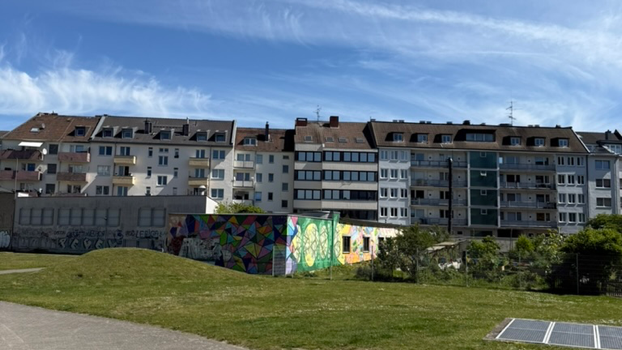
Houses and parks
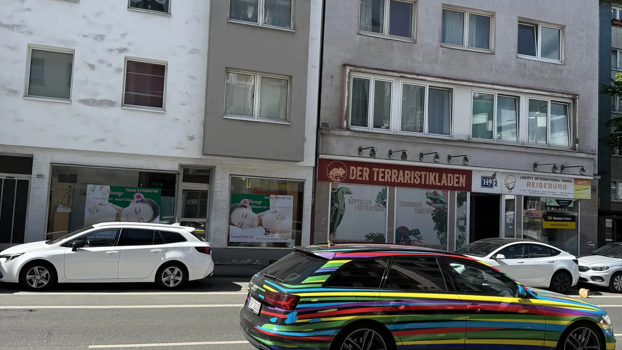
Roads and cars
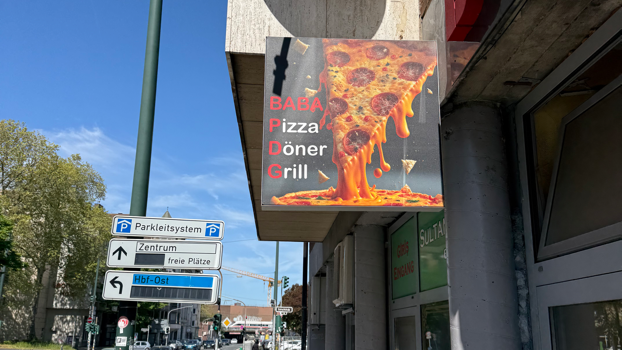
Shops and pizzas
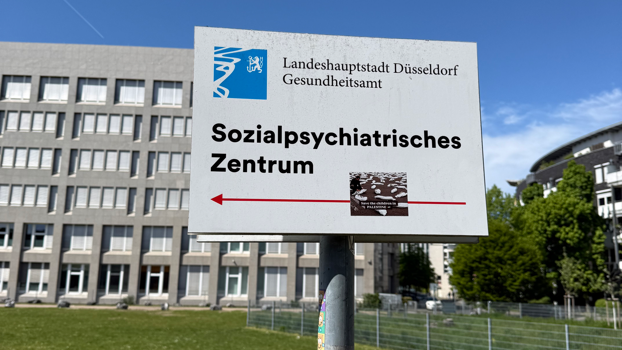
- Cities and hospitals
- Regions
- Countries
Hotels and doors
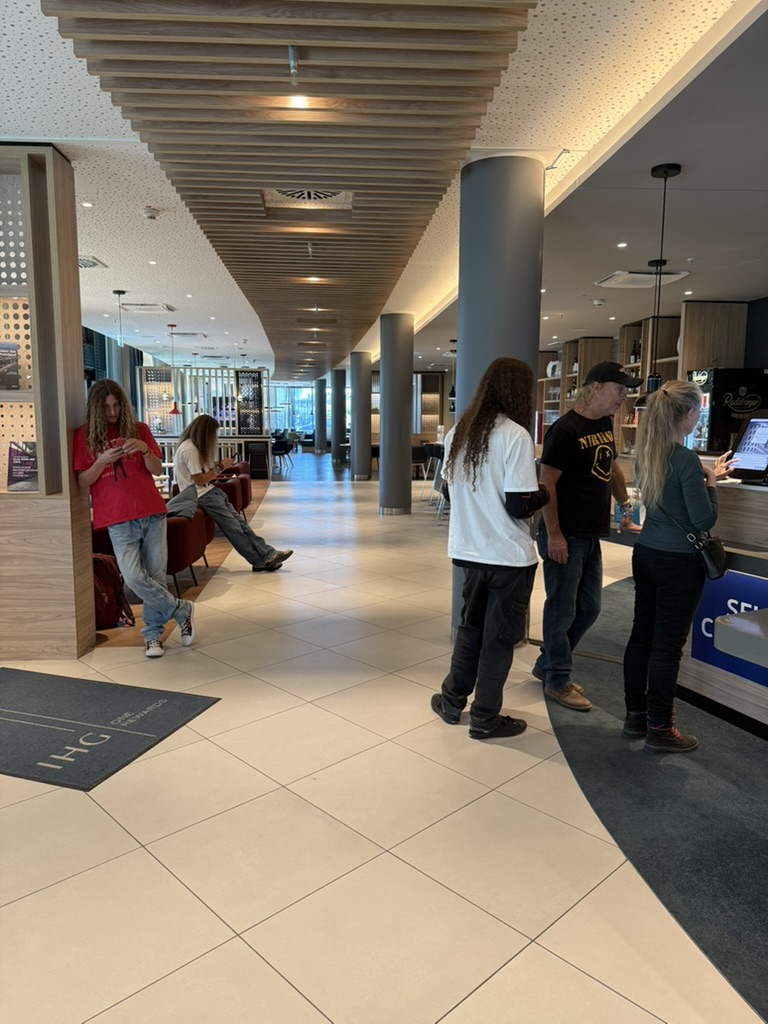
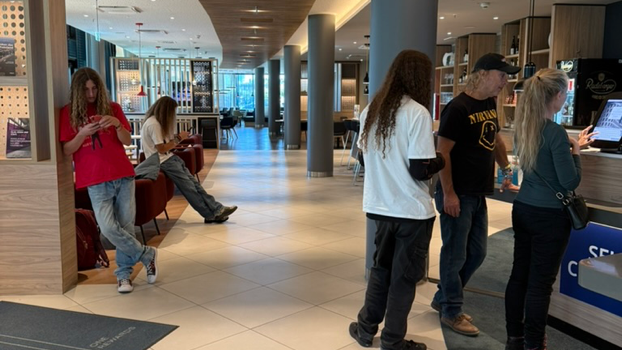
Lobbies and hairstyles
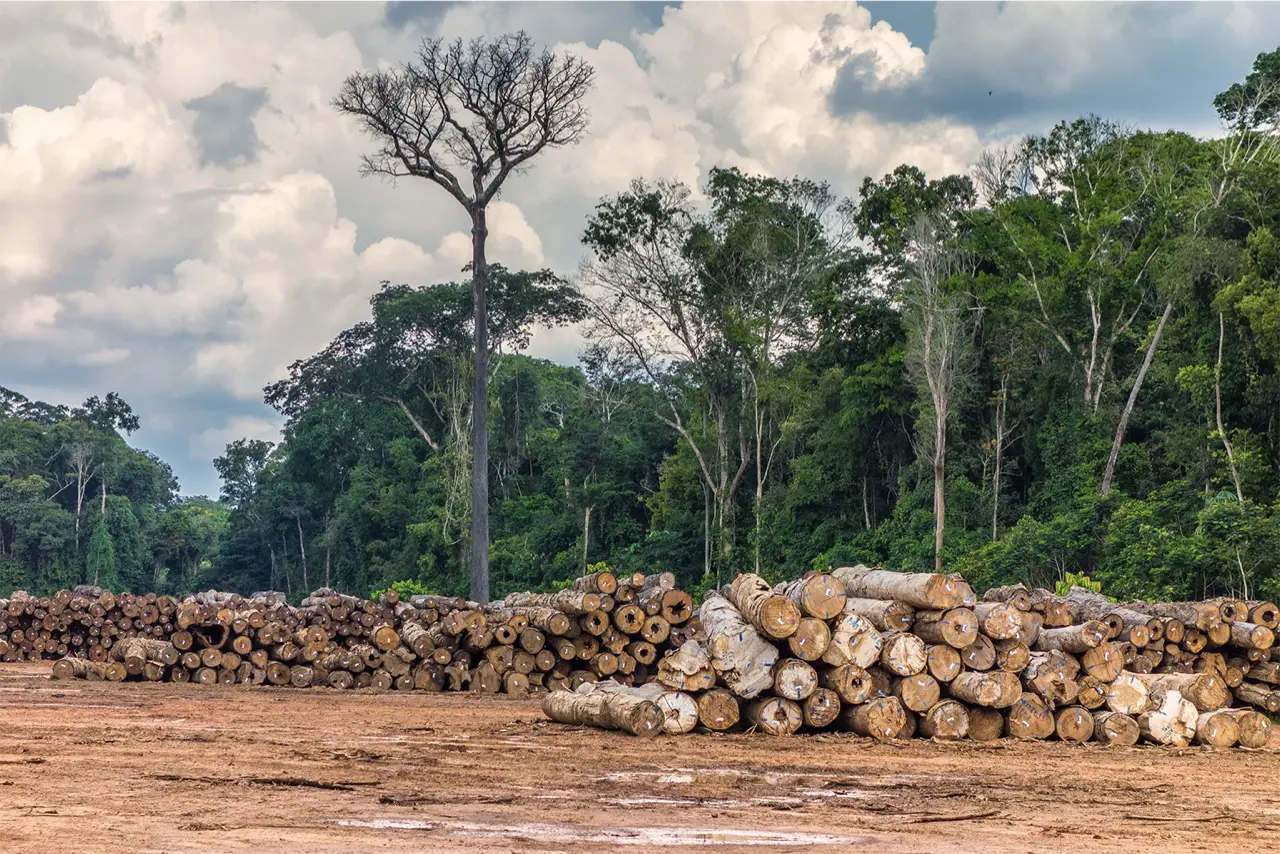
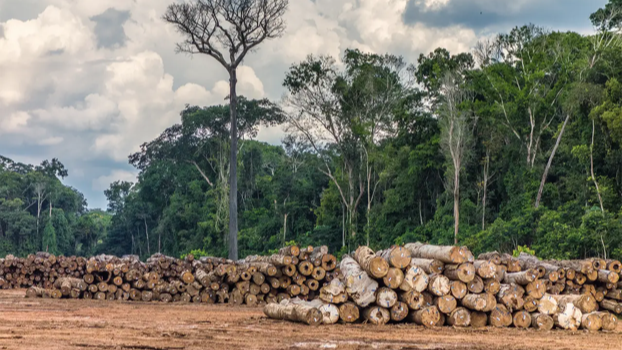
...we shape forests...
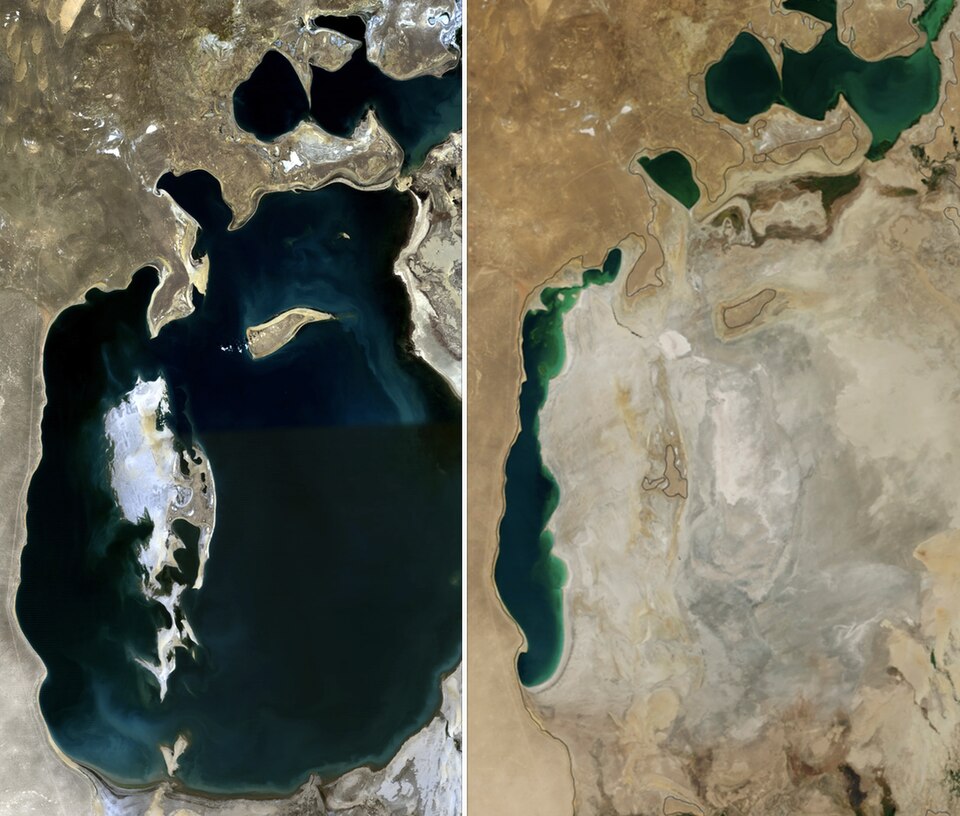
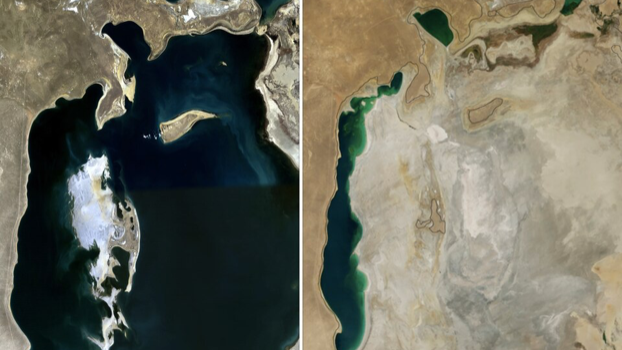
...landscapes...
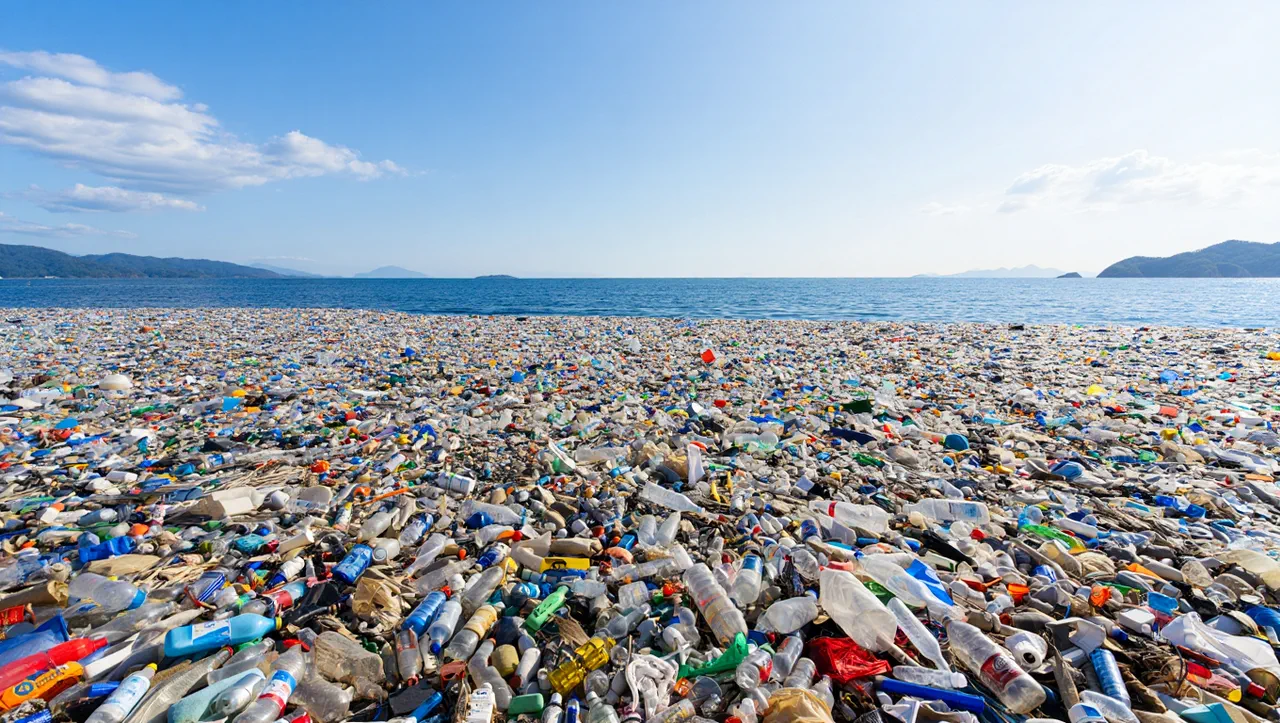
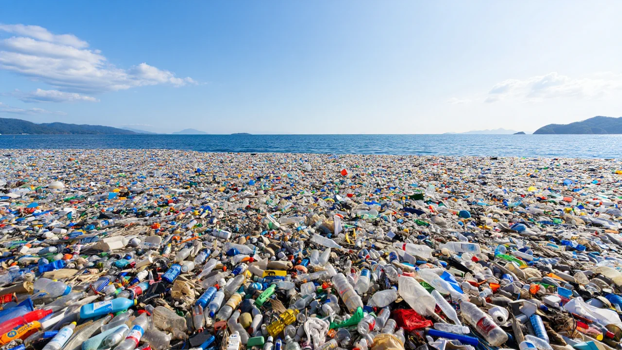
the sea...
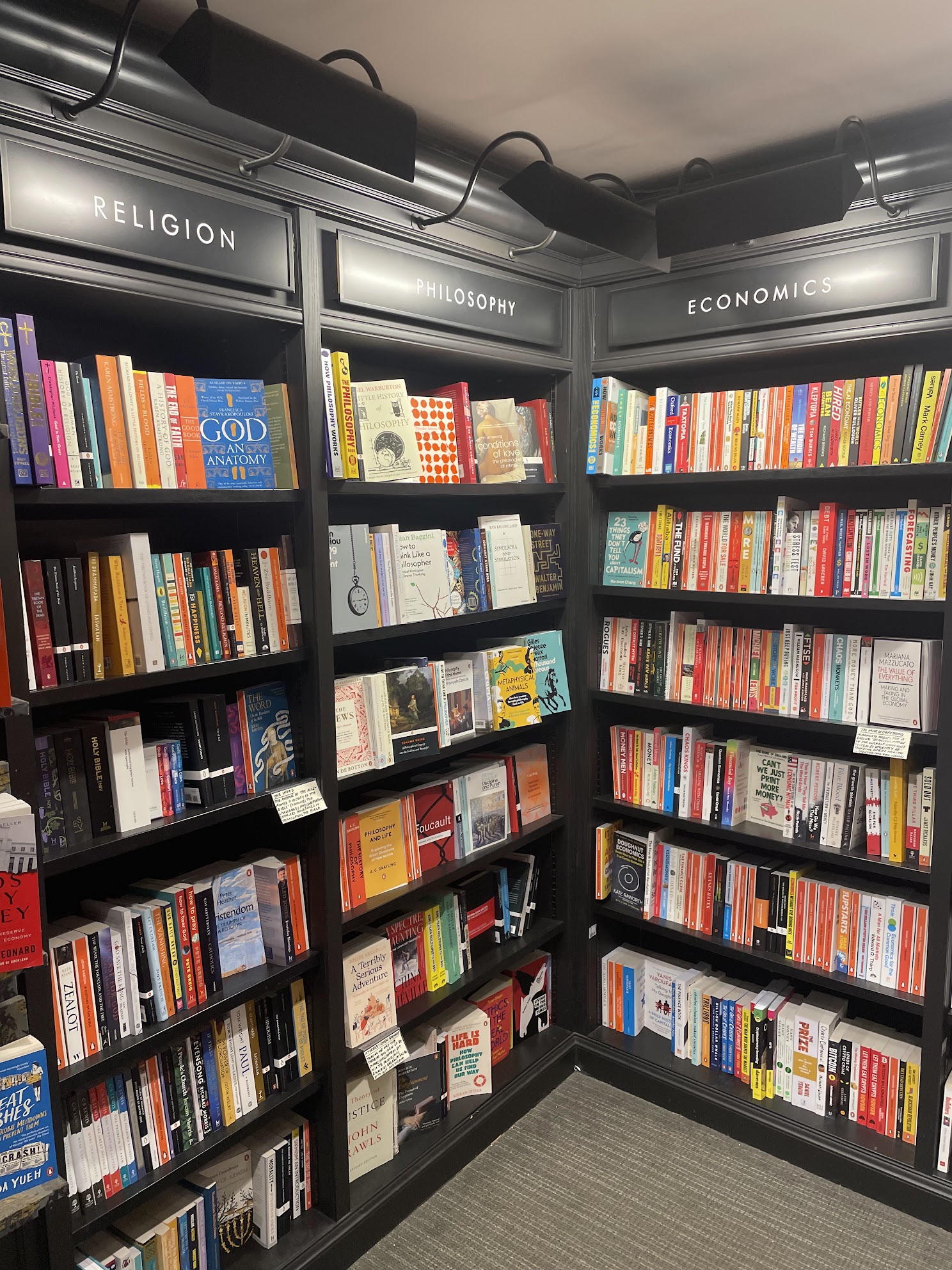
Not just the physical, measurable, weighable, countable things, and what we do with them, but
- Human science
- Natural science
- Different forms of language
- (By extension) our thoughts and
- The expectations they build
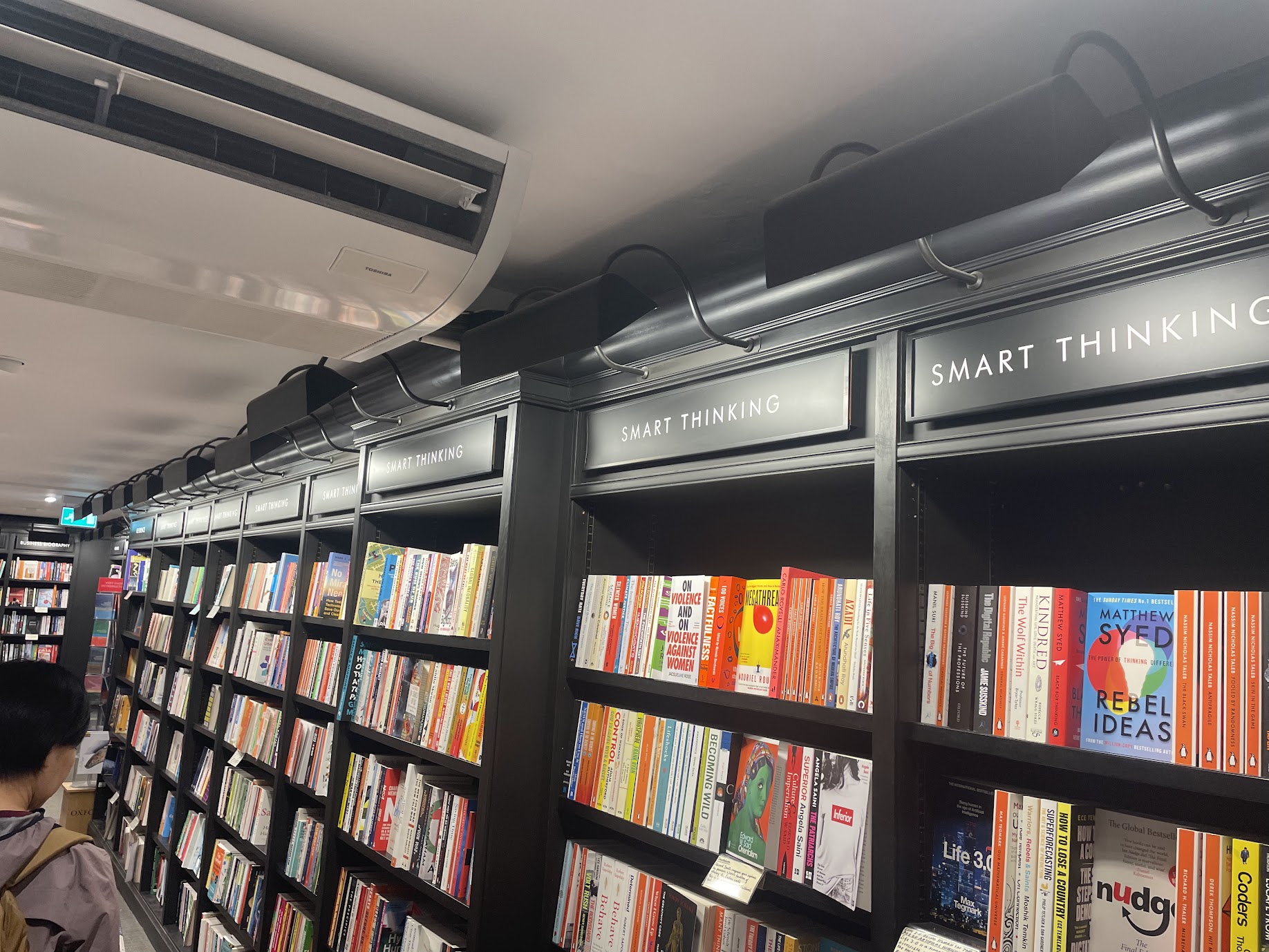
...are formed by humans for humans. And unlike most of our physical artifacts, language, science, and thought are not things we own but share.
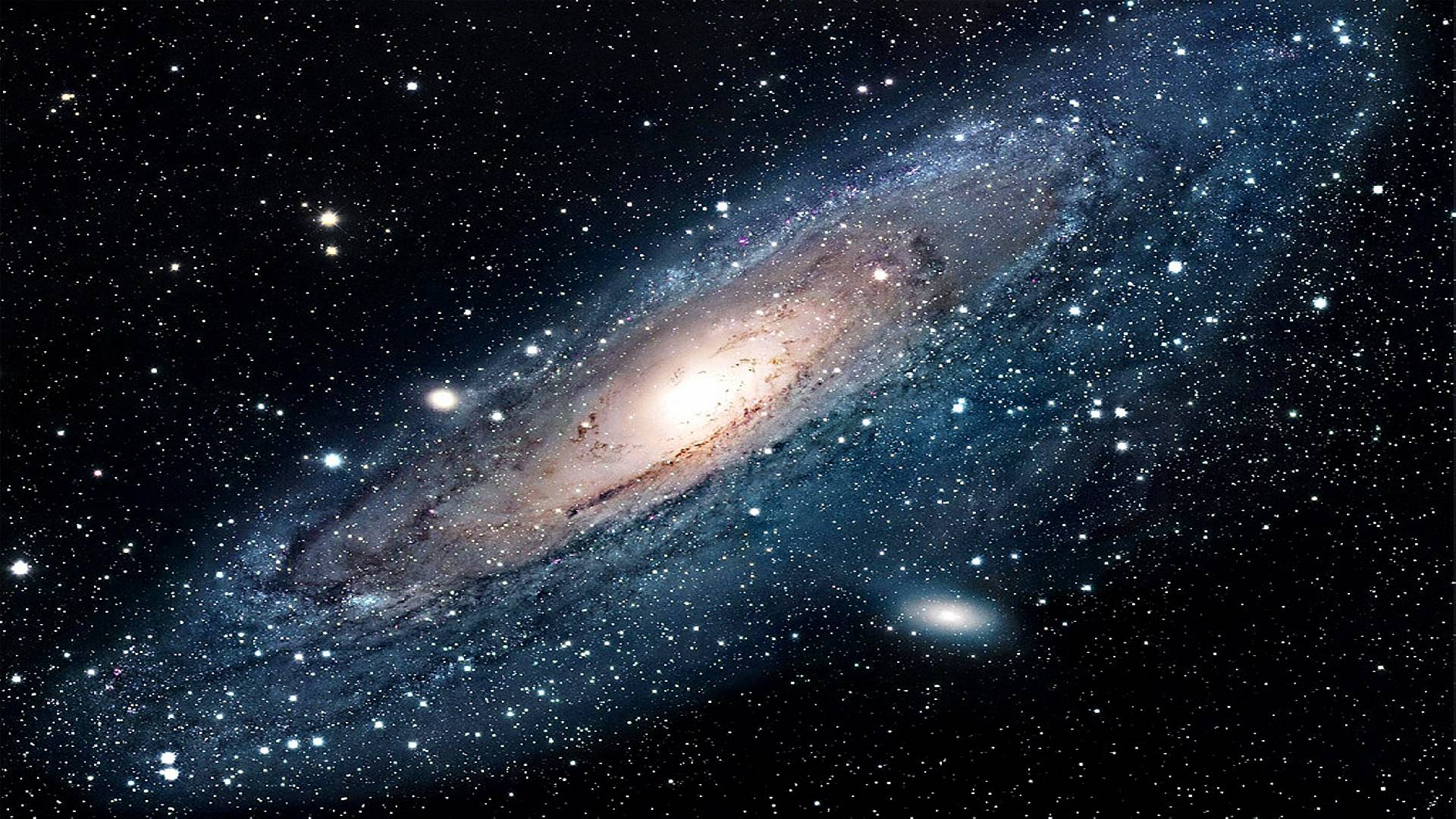
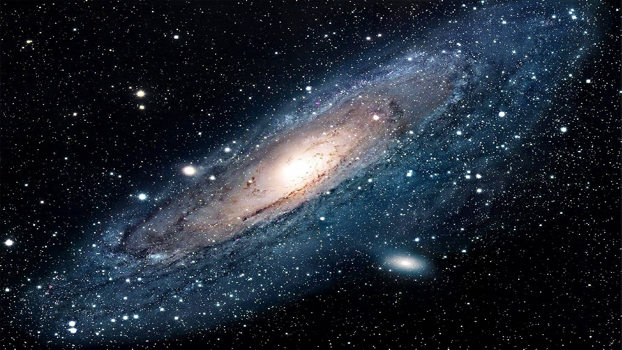
What about the Milky Way? The Milky Way is an image we generated based on data coming from machines we built and use based on what we think they should do. We made this image.

We can see the Milky Way without the help of machines.
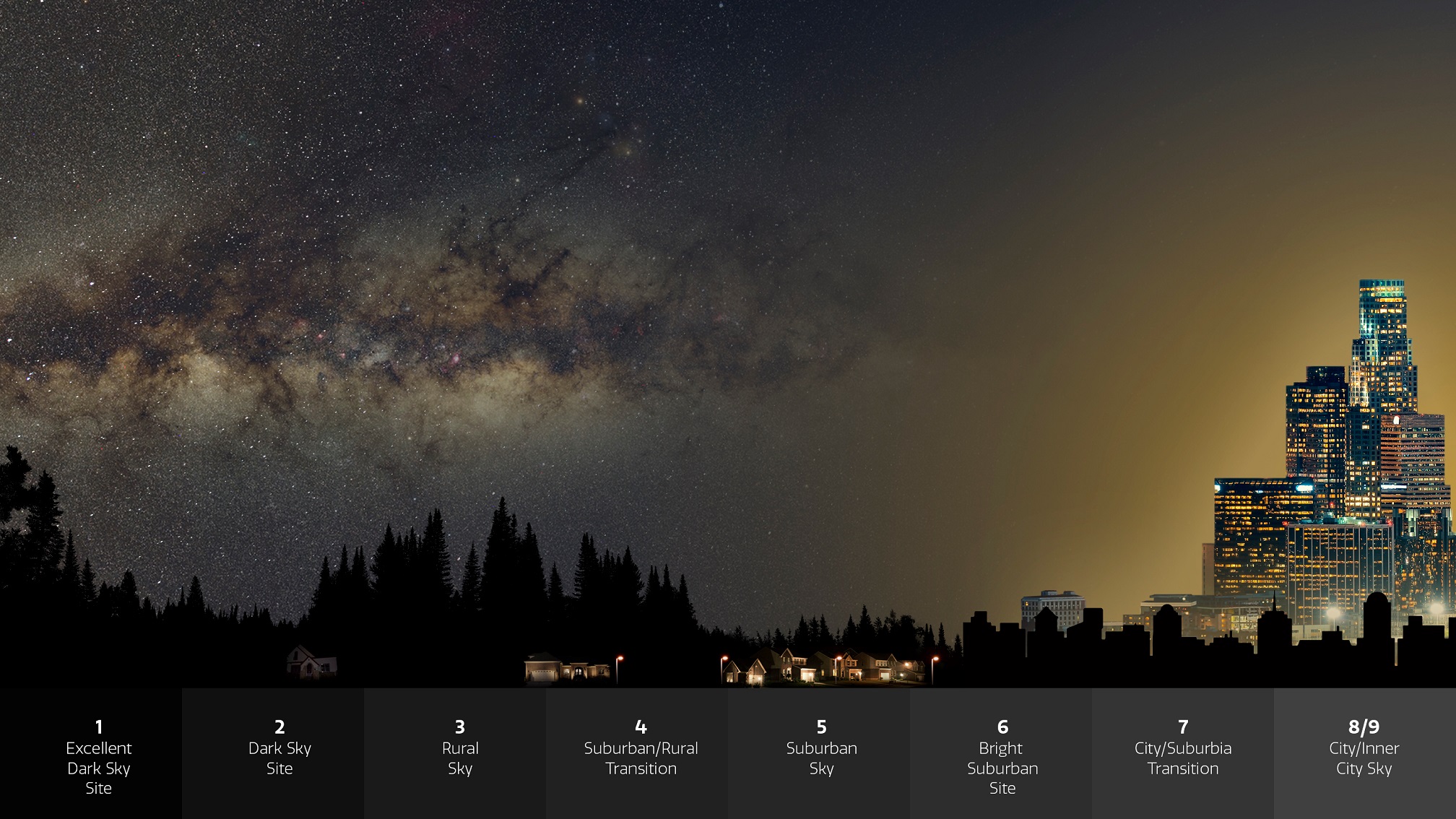
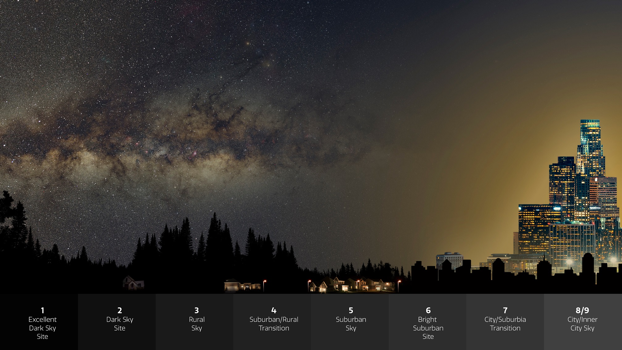
But most of the time we don't because we shaped the night sky to hide the stars.

Depending on what we presume, even the Milky Way looks different, is different, means something different, appears in a different shape. We can see it as out there, or we can see ourselves in the middle of it, or we can see it as Gods, or animals, or both:
We don’t experience the world as it is; we experience it through layers of thought, language, and the expectations they create, through intention or neglect, goodwill and ill will.
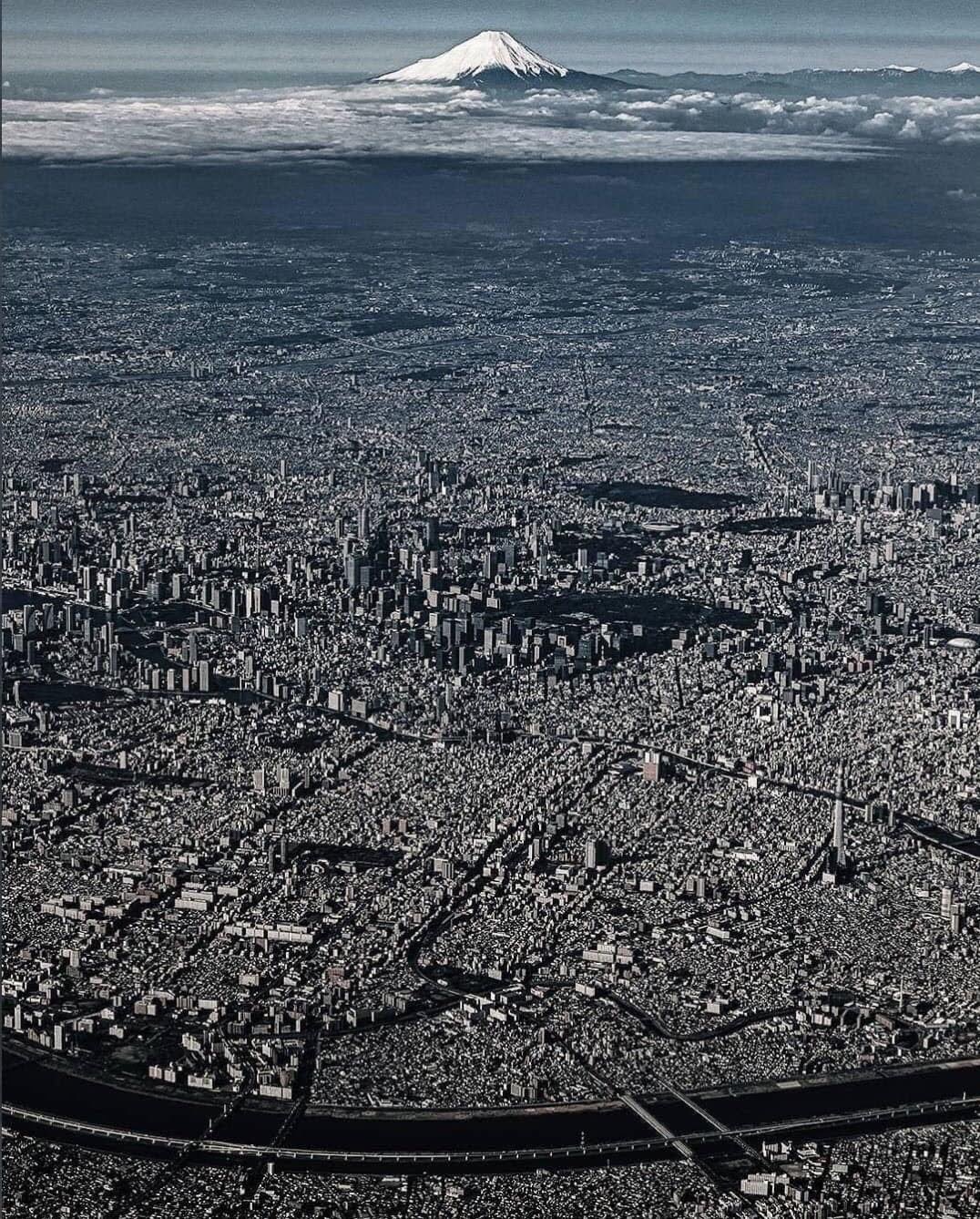
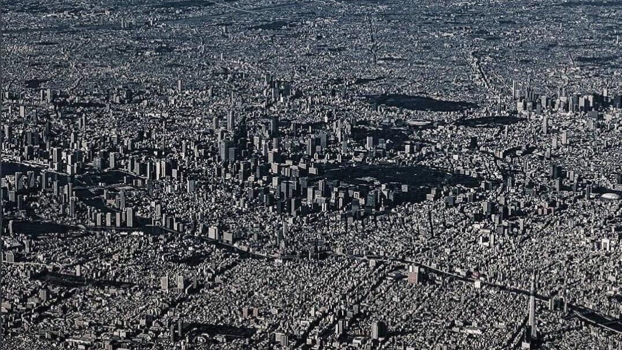
We built and live in cities that look like a hellscape made of concrete.
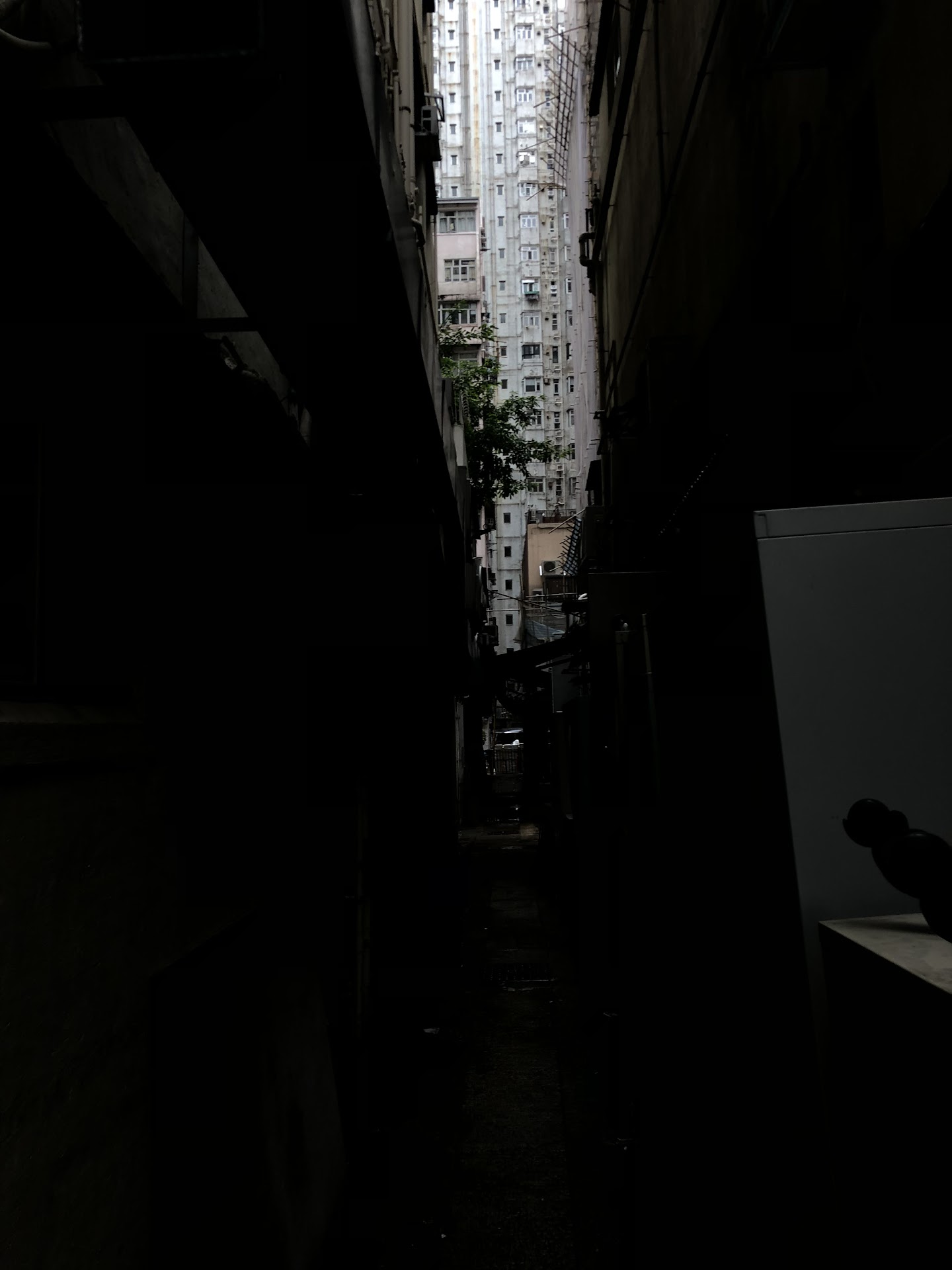
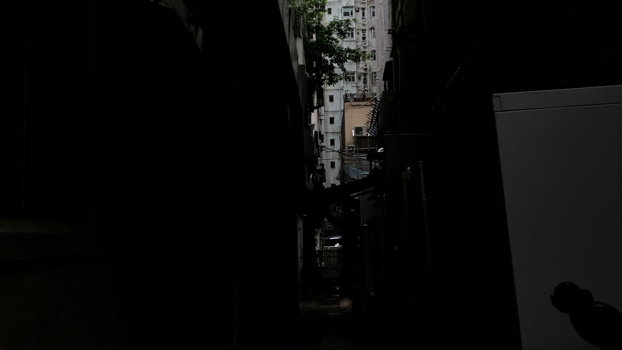
With dark alleys.

Tight rooms with low ceilings.
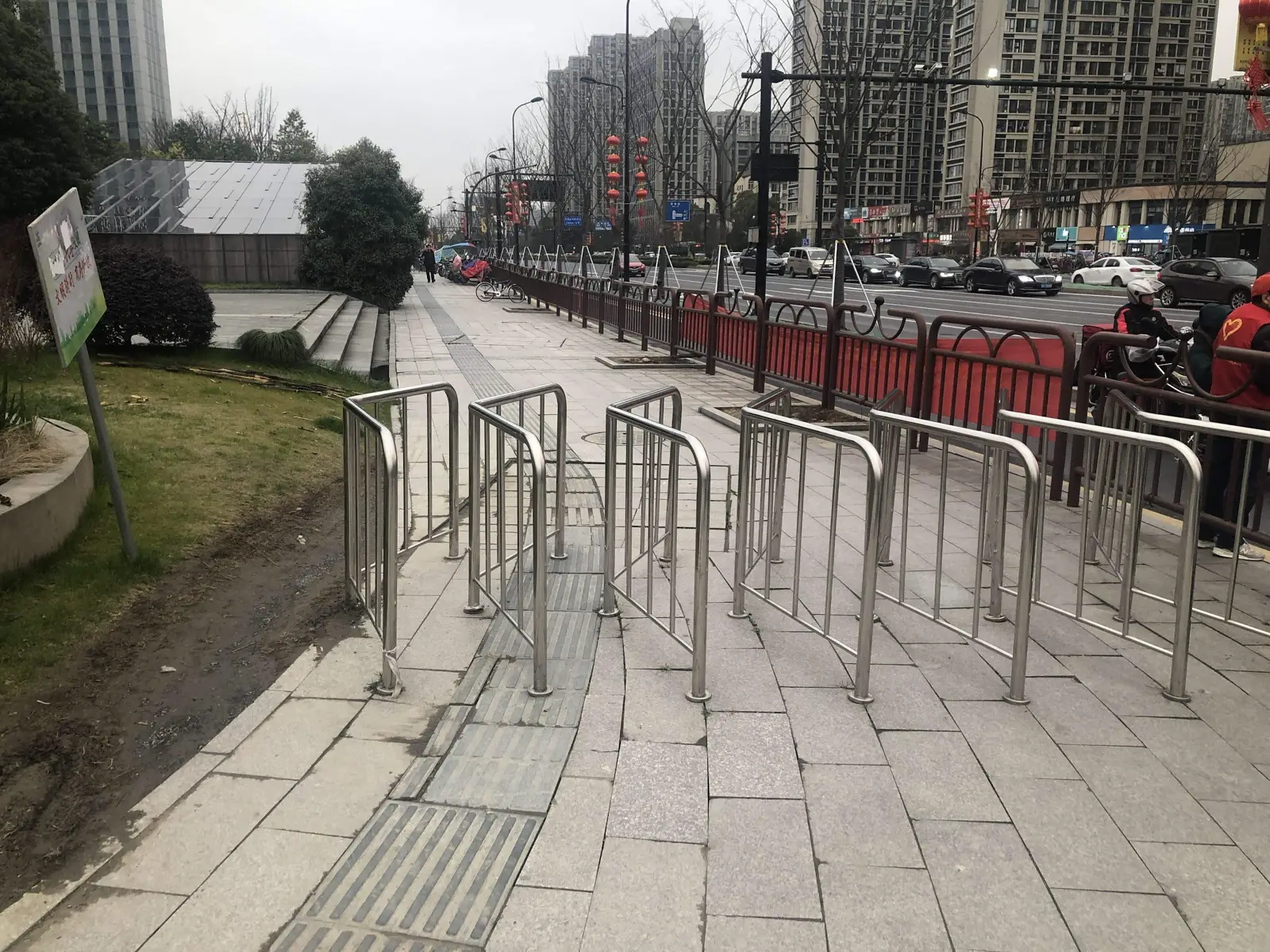
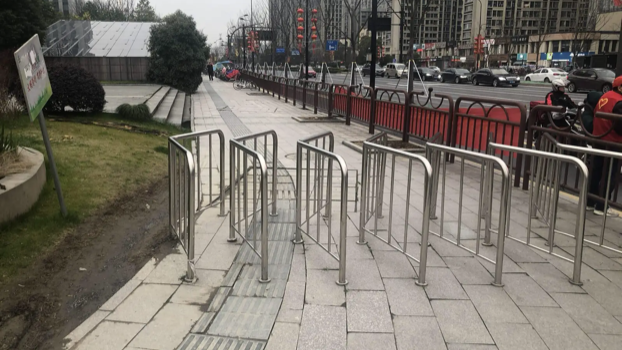
We built barriers against skating, cycling, barriers against having fun.

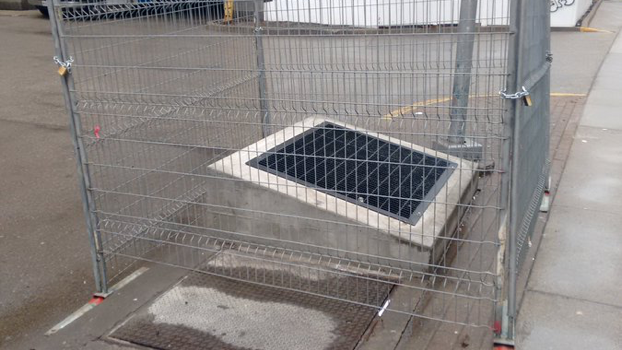
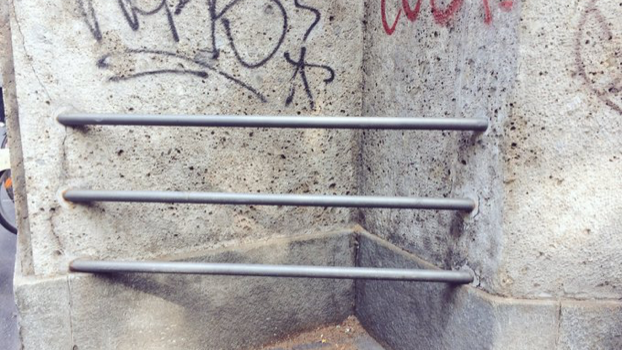
We build cages so homeless people stay cold.

We bar corners so no one can sit or stand there.
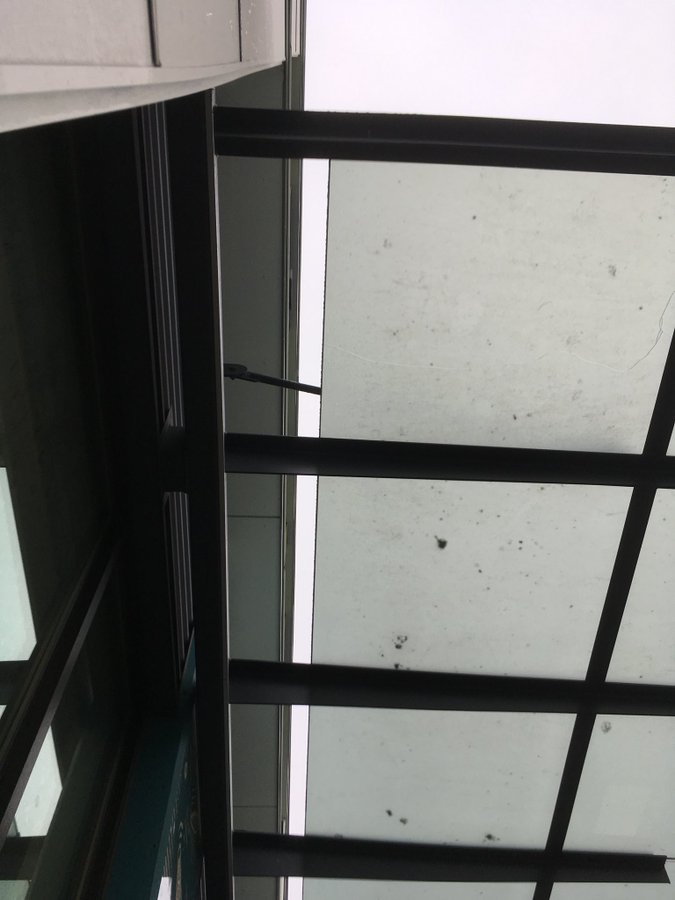
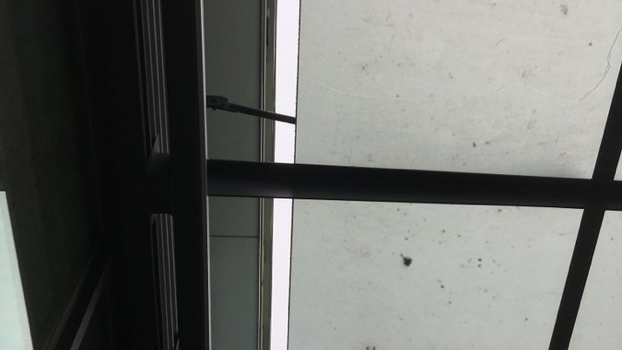
We built roofs with gaps so people without a roof can't sleep under them.
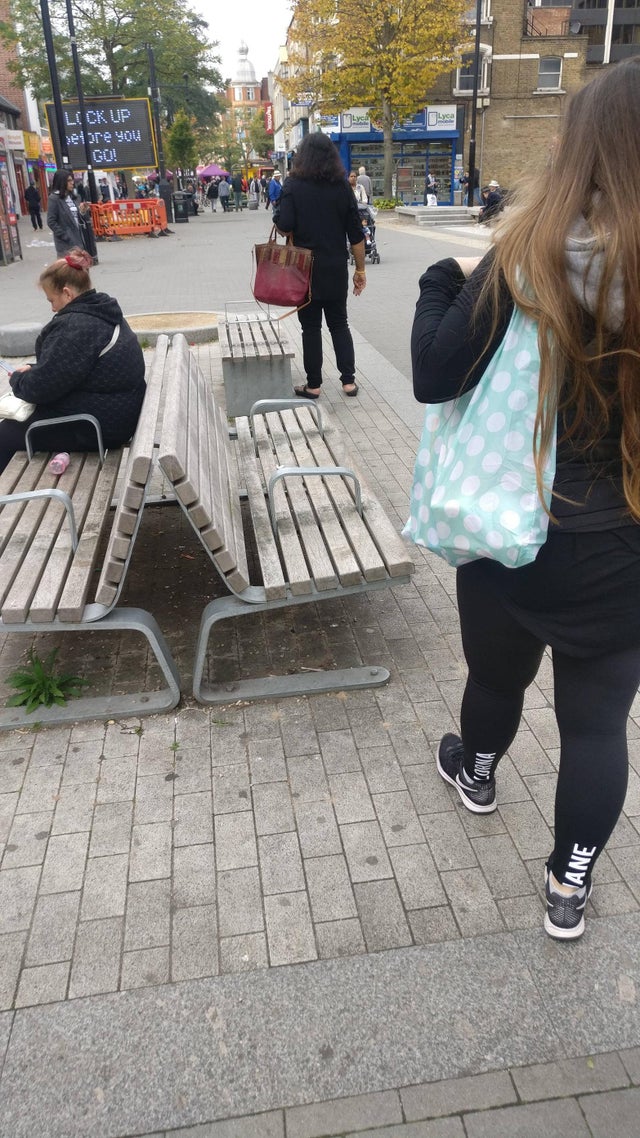
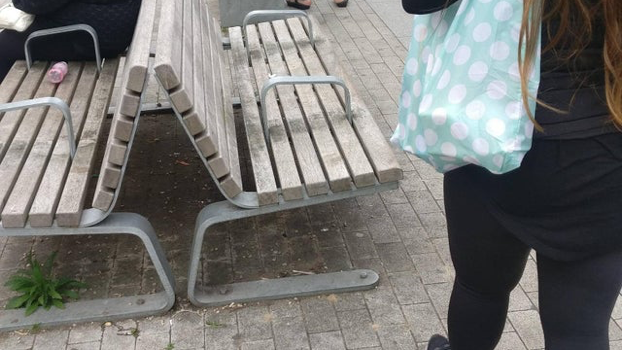
We segmented benches so those who do not have beds cannot get a rest.

We spike sills to tell people to go away.
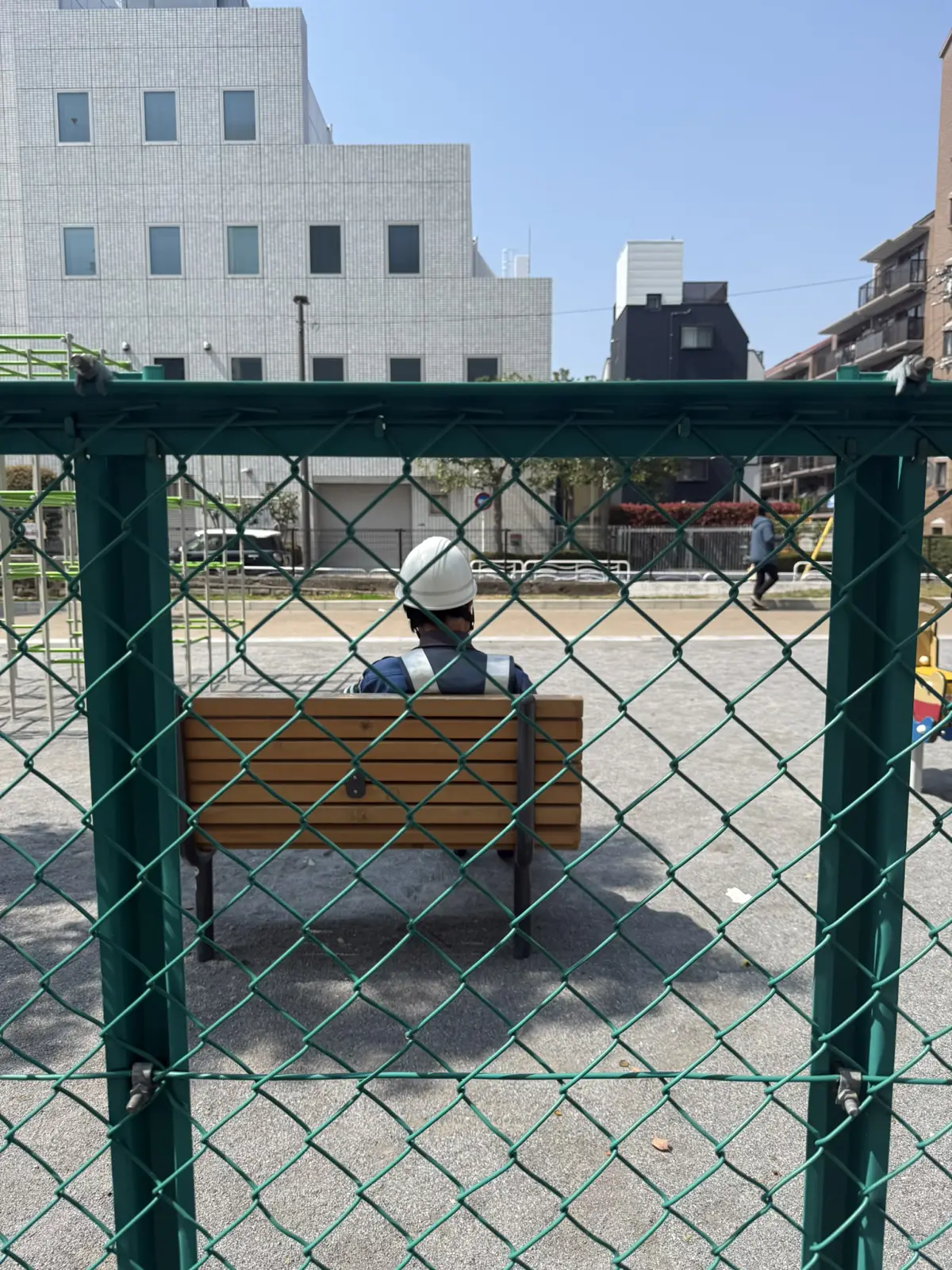
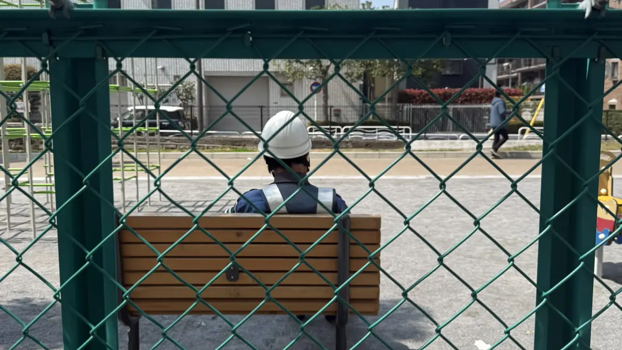
We build playgrounds that look like prisons.
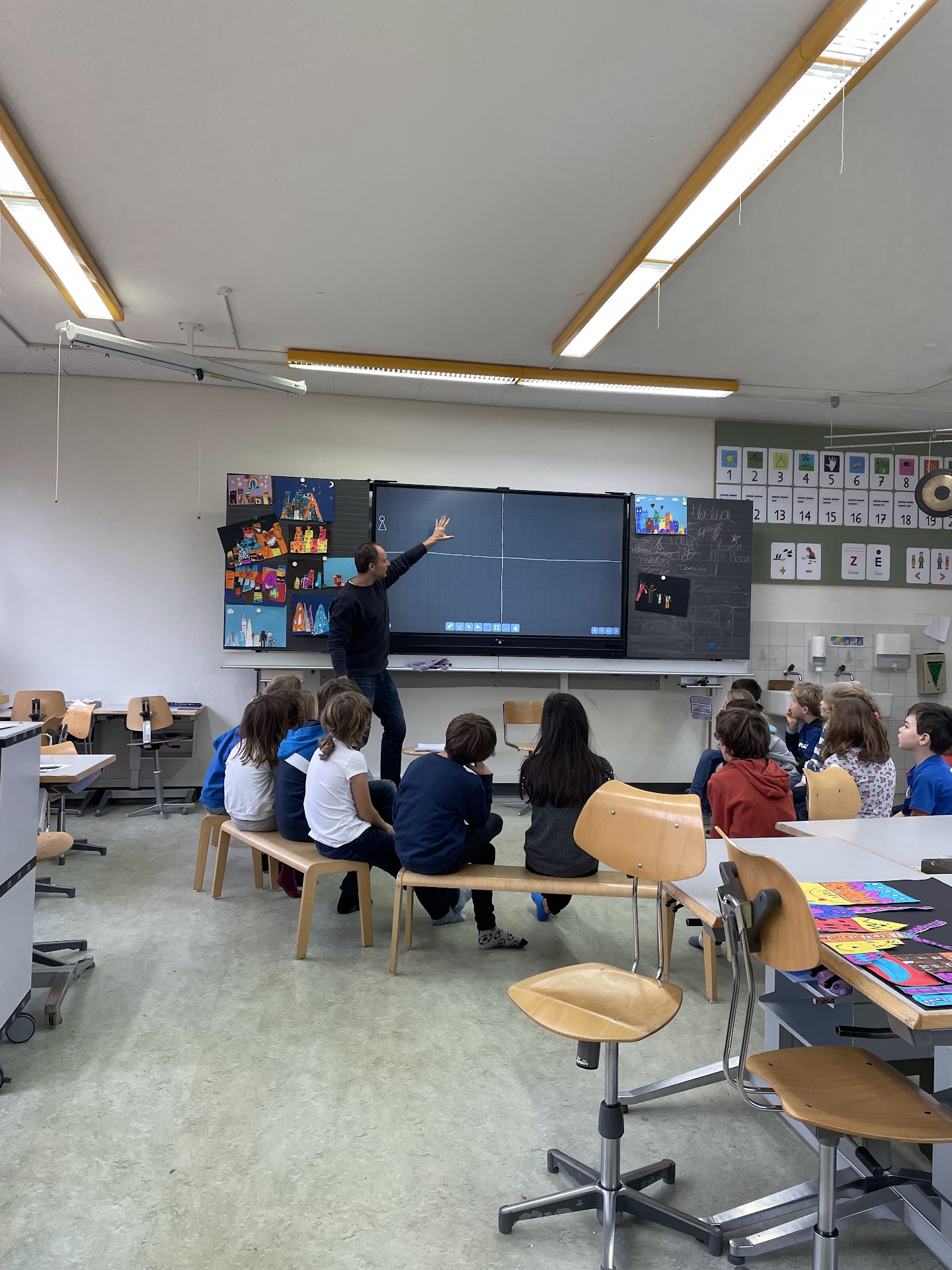
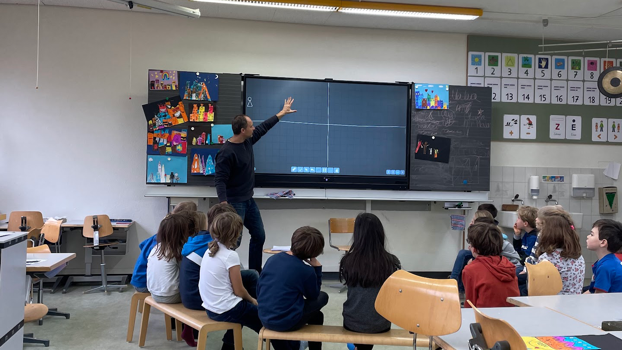
In our classrooms kids are trained to sit still, listen and repeat. We prepare them not to imagine a different, nicer life, but a life full of never-ending meetings and PowerPoint presentations.
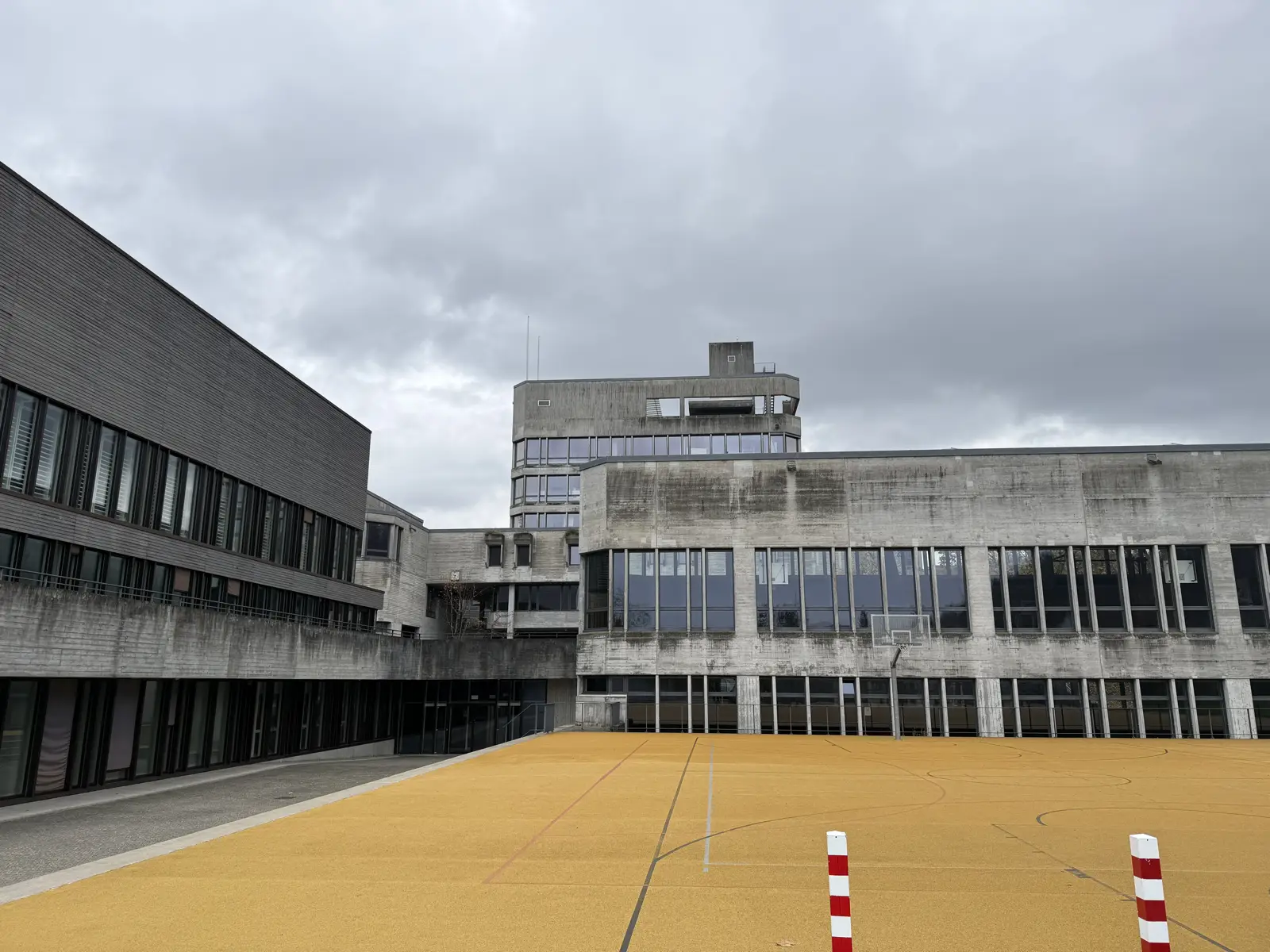
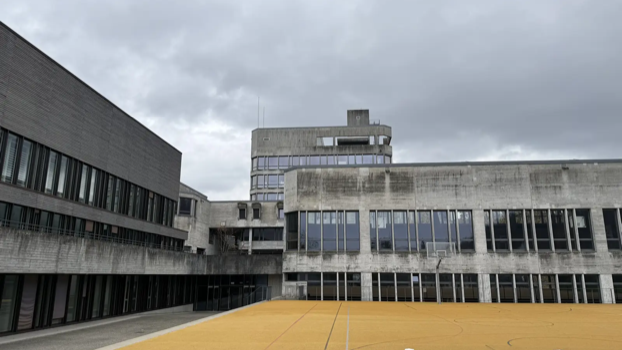
We build schools like prisons.
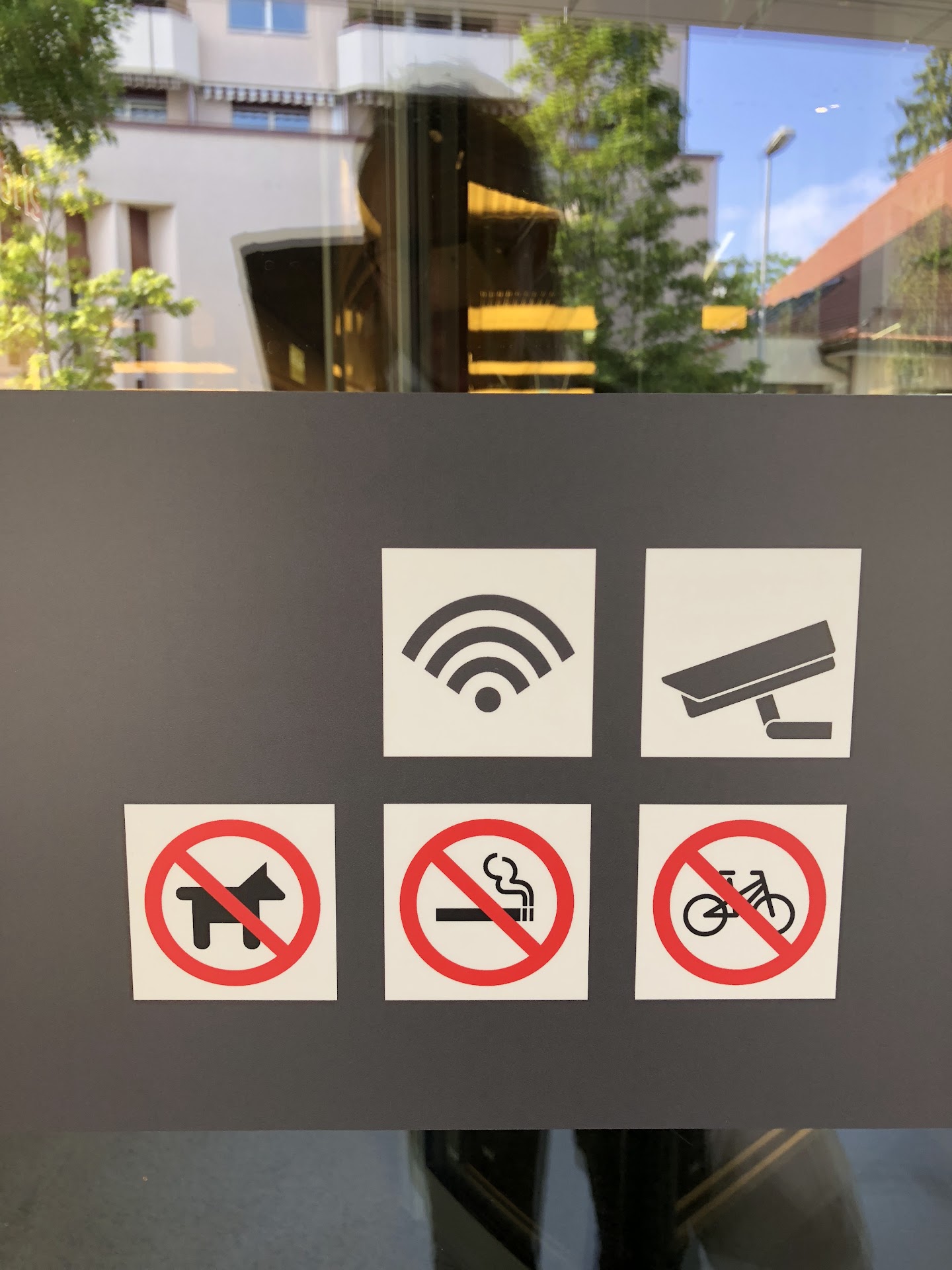
We shape a society focused on rules and surveillance and punishment.
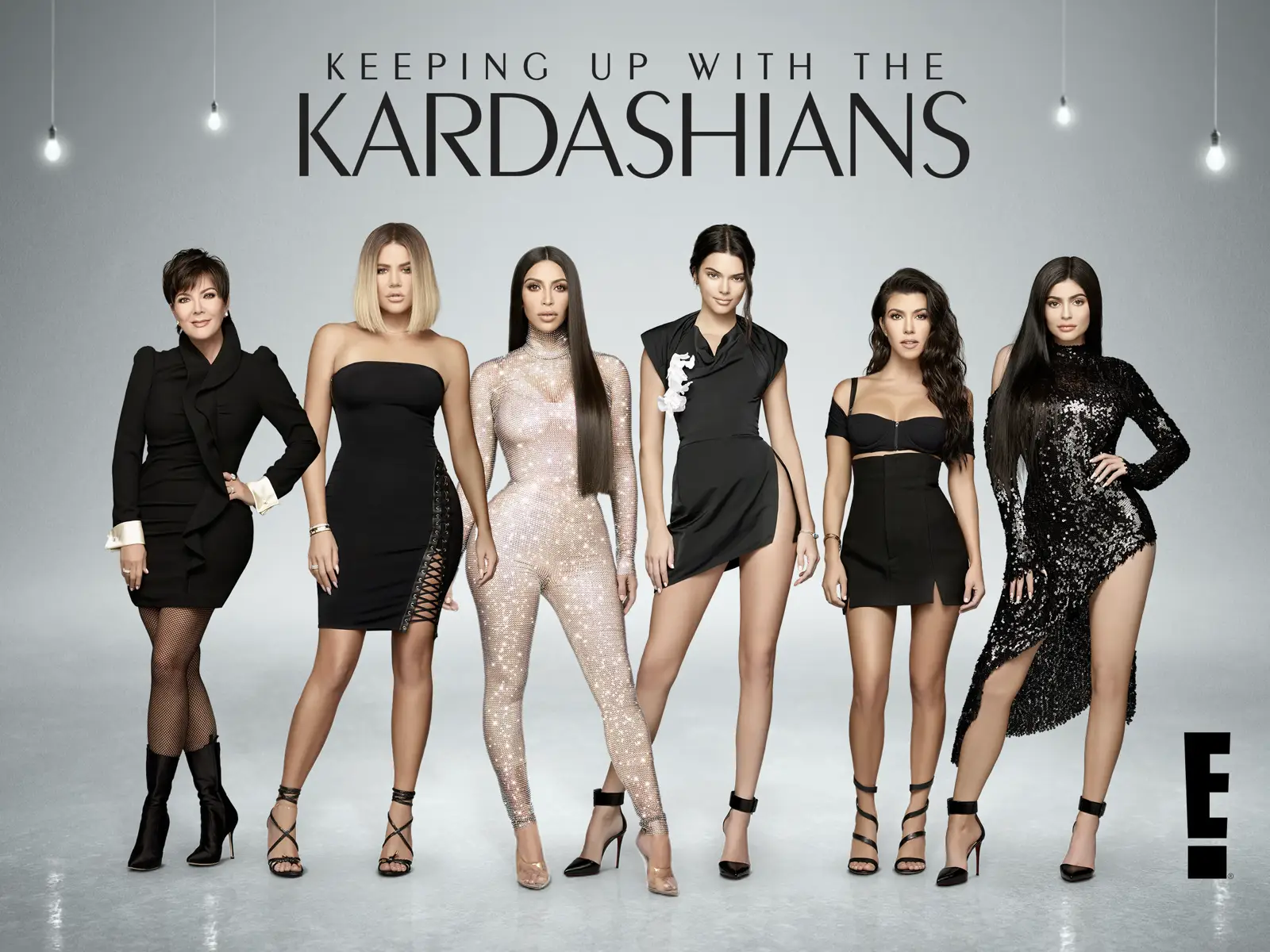
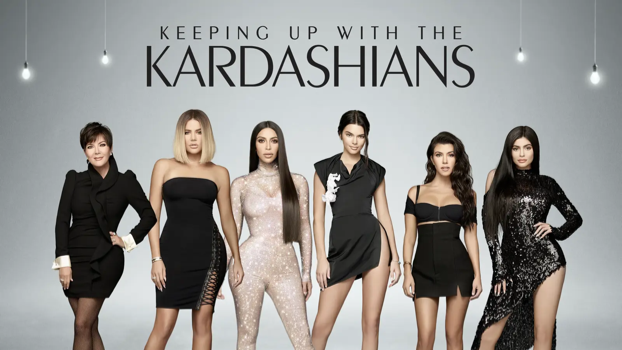
We waste our time watching TV shows that portray mere popularity as something we need to "keep up with."
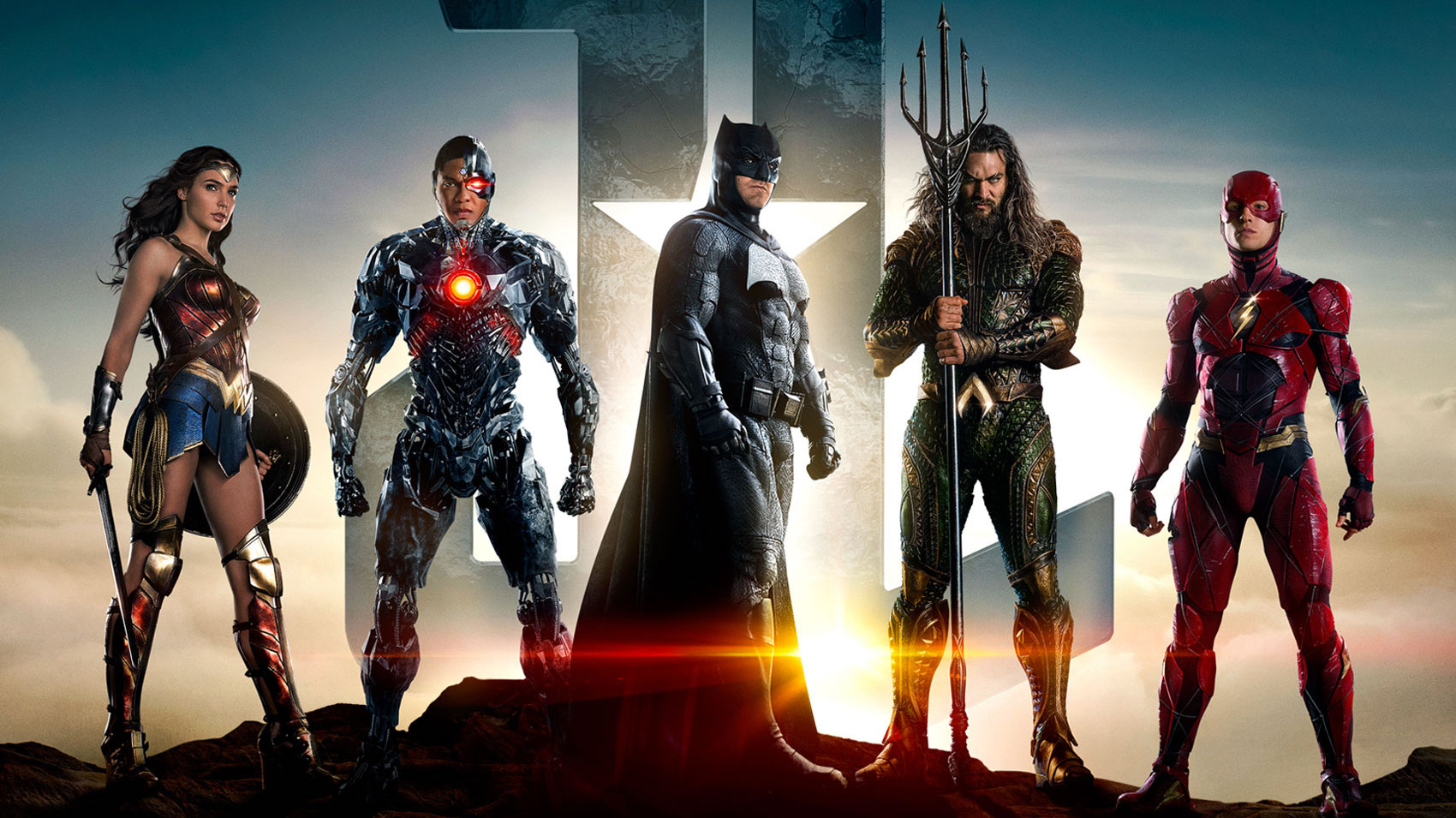
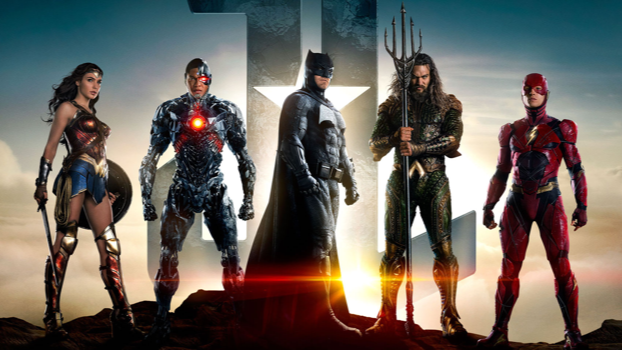
We kill our time watching superhero franchises that keep telling the same stories with the same heroes with the same actors.

We get flooded with stupid news and stupid music that misplaces shock as depth.
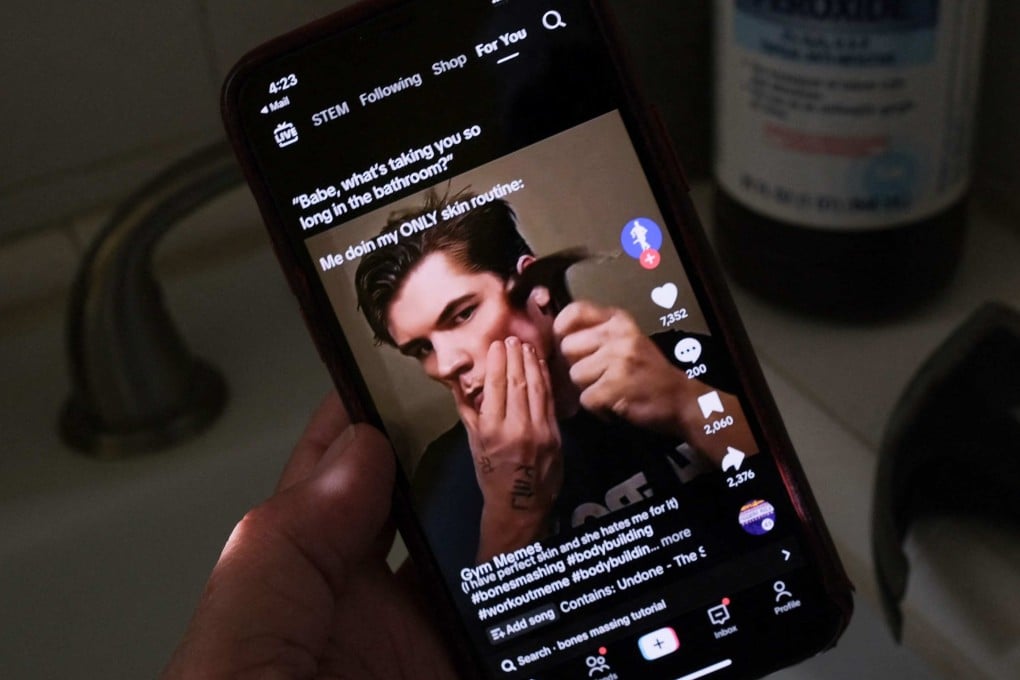
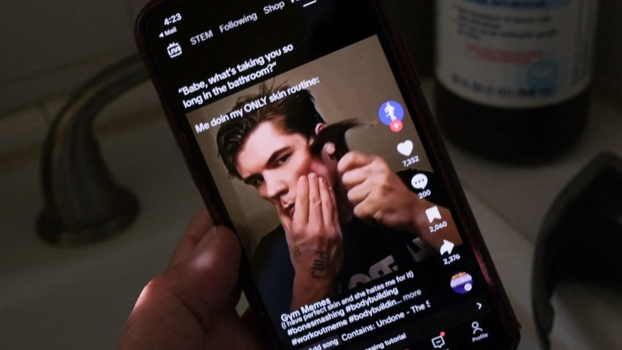
We exhaust ourselves with social media nonsense.

We design, build and buy products that break, frustrate, and disappoint.

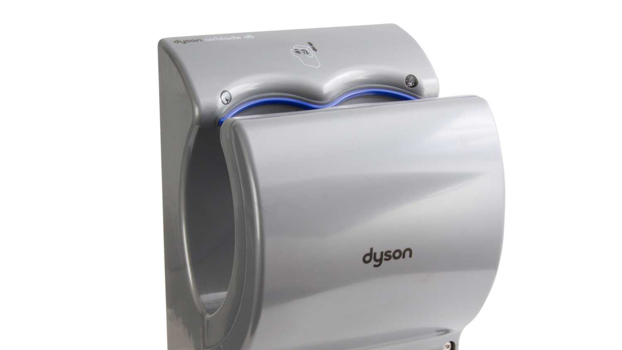
We create, install and use bacteria-distributing jet engines.
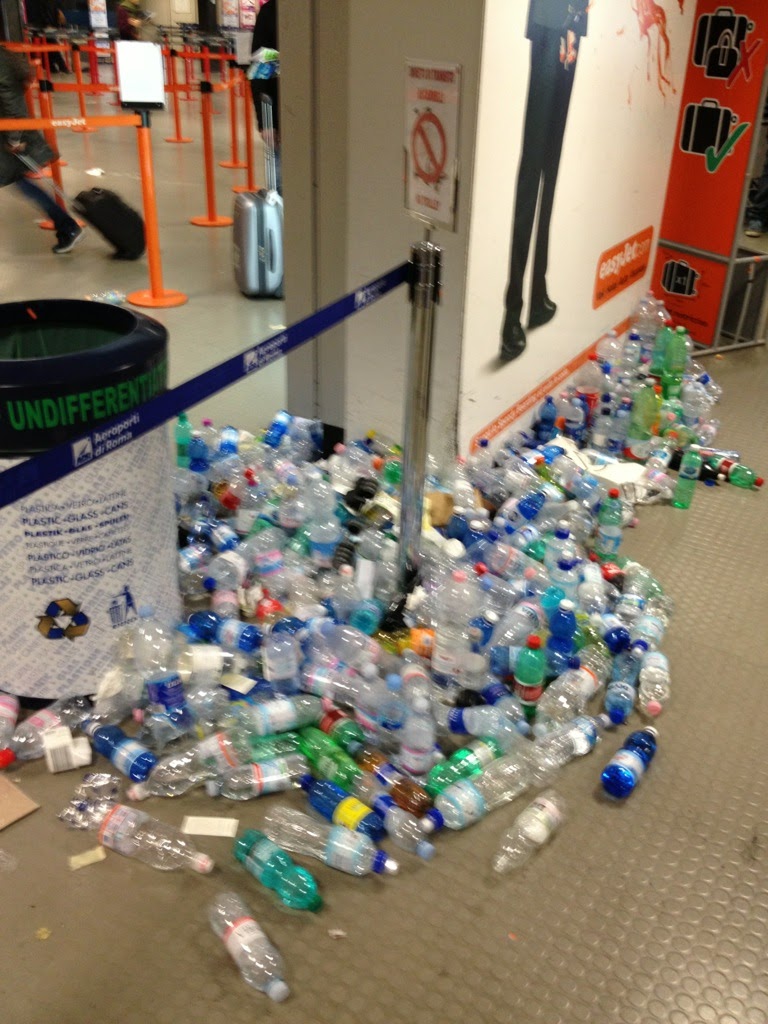
We keep up with the Kardashians and planet-destroying food systems that no one likes and no one would ever create if you asked them.
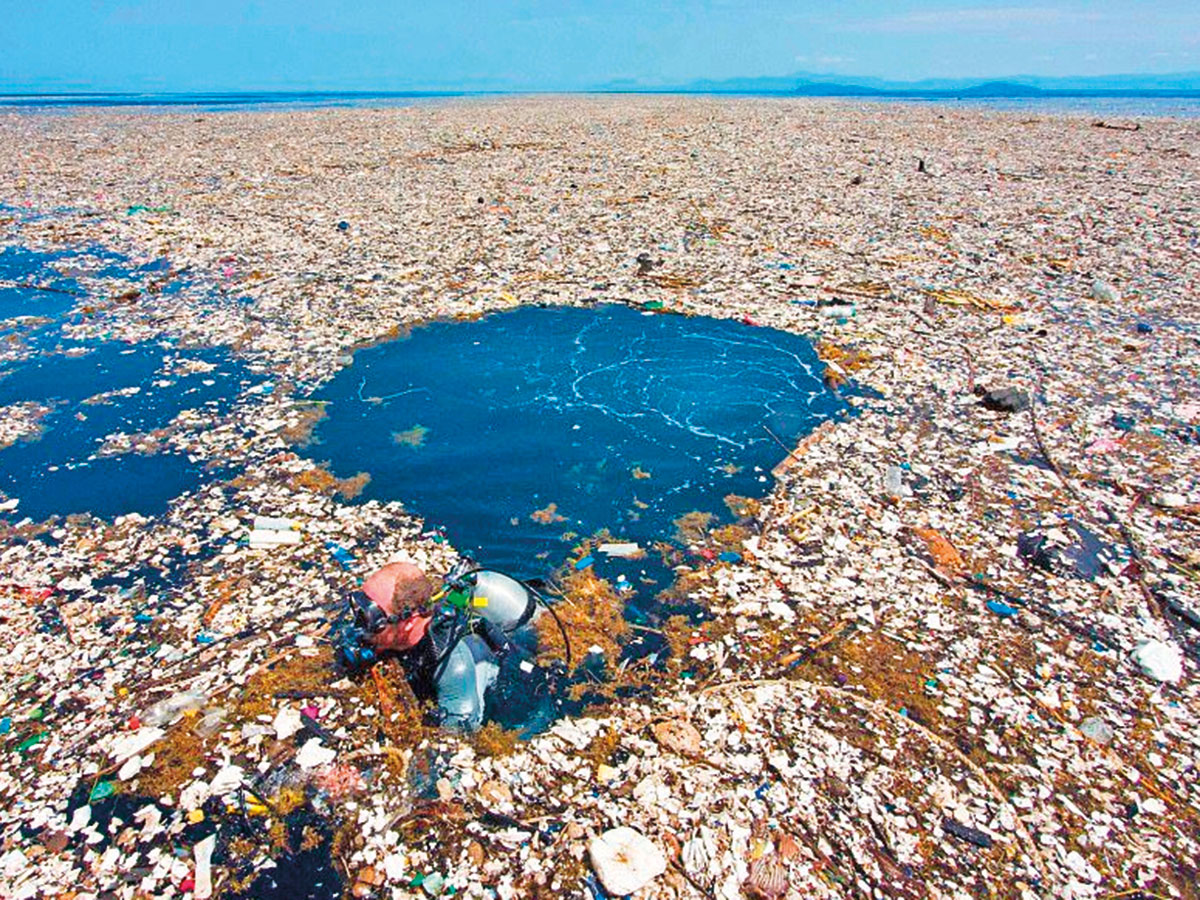
So, yes, everything is designed. And that's great, because everything can be designed better. But why are we all doing such a bad job? Why, in a world where design is everything everywhere, is so much of it such utter trash? And why do we not improve, but often make things worse?
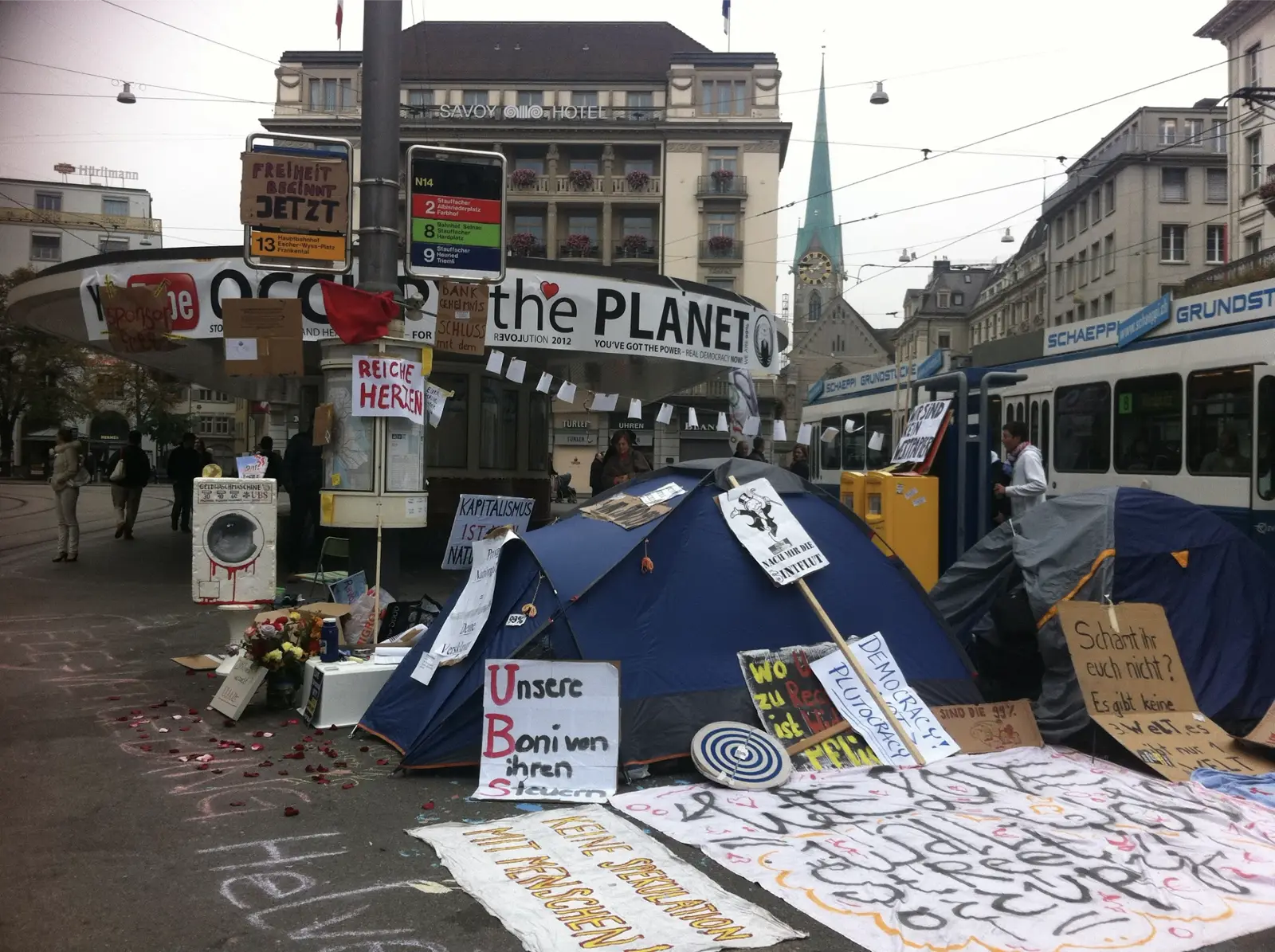
Businesses? People, we work in businesses. The rich who own businesses? They do shape their businesses, they do shape politics and society more than average people... And they do things in a way that keeps making them more money. So change for better or worse is not in their interest. What they want is more of the same.
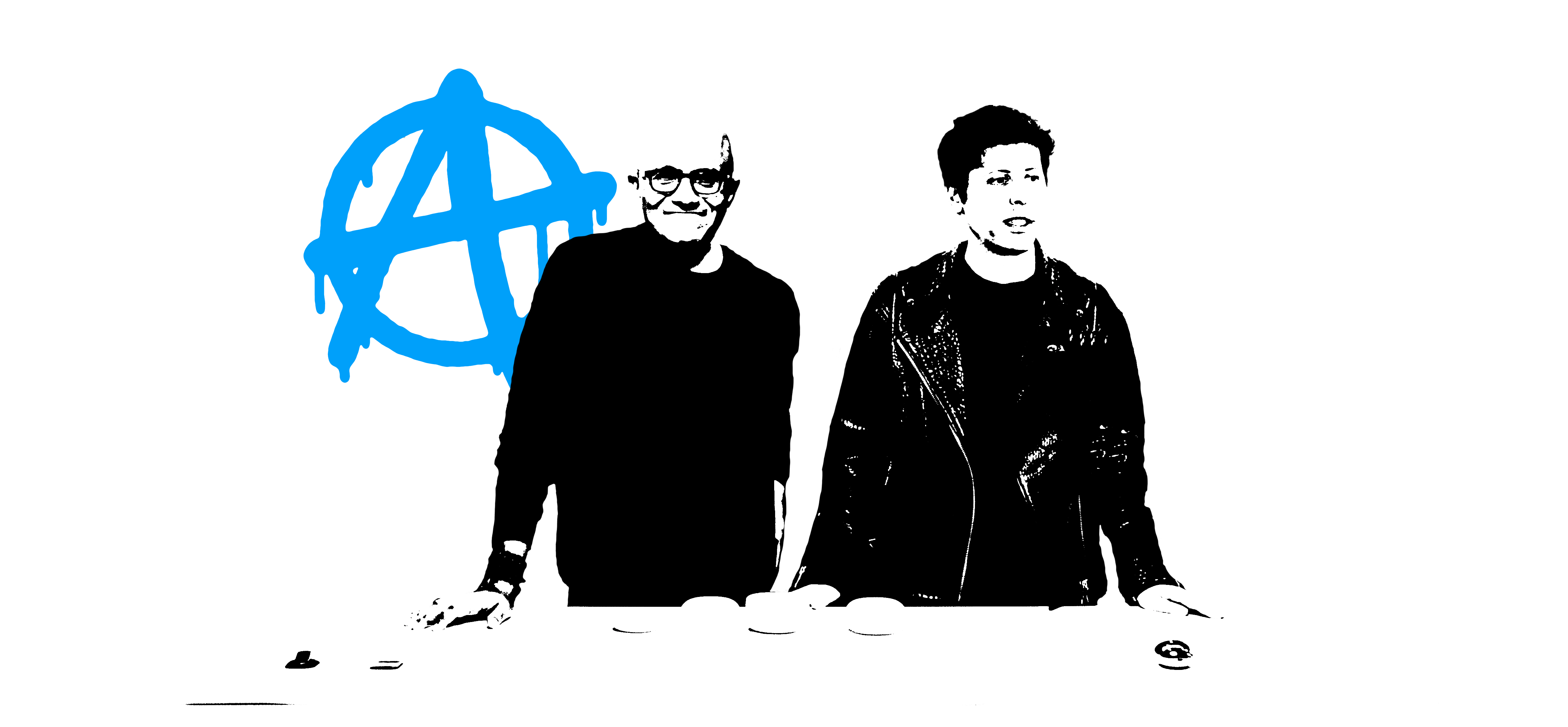
Technology? Do we have too much technology? Or too little? Will better technology, will AGI, save us from ourselves? Technology is "a glittering lure". It's both part of the problem and the solution for the problems it causes.
Since everything is designed, aren't the designers that imagine and shape all these things to blame?
Design becomes a problem when it serves just one side. When it just needs to make money, when it just needs to integrate technology, or when design is done for its own sake.
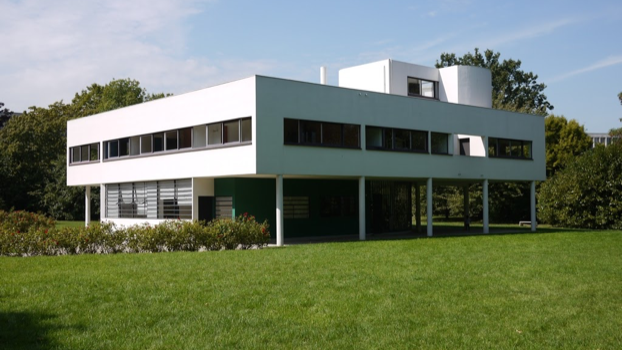
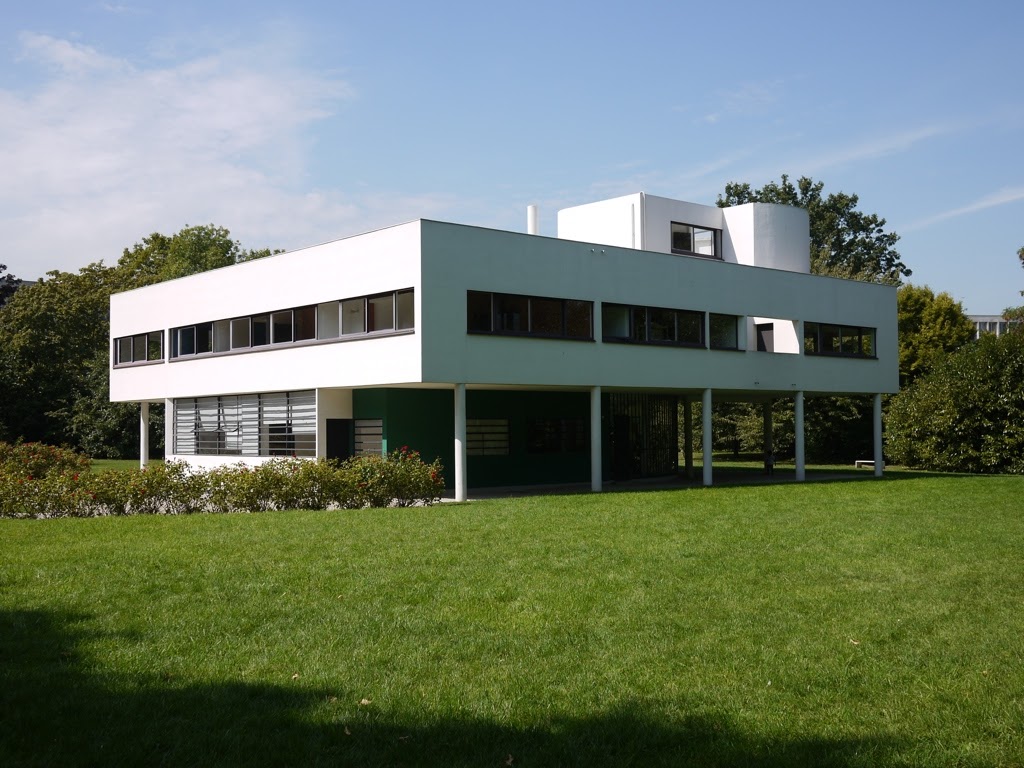
(Famously, Corbusier built a house with a roof that didn't hold what it promised and when its owner complained that raindrops were falling on their bed, the architect said: "Then move your bed.")
When we blame design as the root of all evil, we don't aim at the designers that describe themselves as designers, but everybody that shapes things, everybody that works.
It's everybody's fault, since everybody designed this world.
We all build, sell and buy a lot of trash. We produce and consume trash because we all want to. And if we look in the mirror, we know that we are all guilty.
Every pupil knows how to save the world. Practically every pupil's paper on any global problem ends with a variation of Michal Jackson's Man in the Mirror. "We need to start with ourselves." If, as a pupil, you want a good grade, you won't say we should all rebel against stupid rules but follow the rules: do our homework, help mom, eat and sleep, and do as we're told.
With most teachers, claiming that discipline and obeying will improve the world will get us good grades. But if we want to improve, we need to obey less. We need to revolt more.
There is one fundamental difference between pupils and grown-ups. Pupils have little influence. Grown-ups do. We work. Our work is the primary way we shape this planet.
We could change what we influence, we could change the way we work, but usually we don't. We tell ourselves that we can't make a difference.
The truth is that we could make a change, but we don't really know how because, in a non-trivial way, we lack both the imagination to imagine how exactly things could be different. We even lack the courage to imagine how things could be different, because we are too scared to be seen as stupid, foolish, different, crazy nuts, insane.
We prefer to be normal not because normal is better but because normal is more convenient.
I am speaking as a designer, father and owner of a company, so my take on improving things is biased. I don't know what to do to improve the school system or cars, but I know how to improve software. And as far as software is concerned, most software sucks because of a lack of imagination.
The following three examples illustrate how we reimagines writing, presenting and physical notebooks.
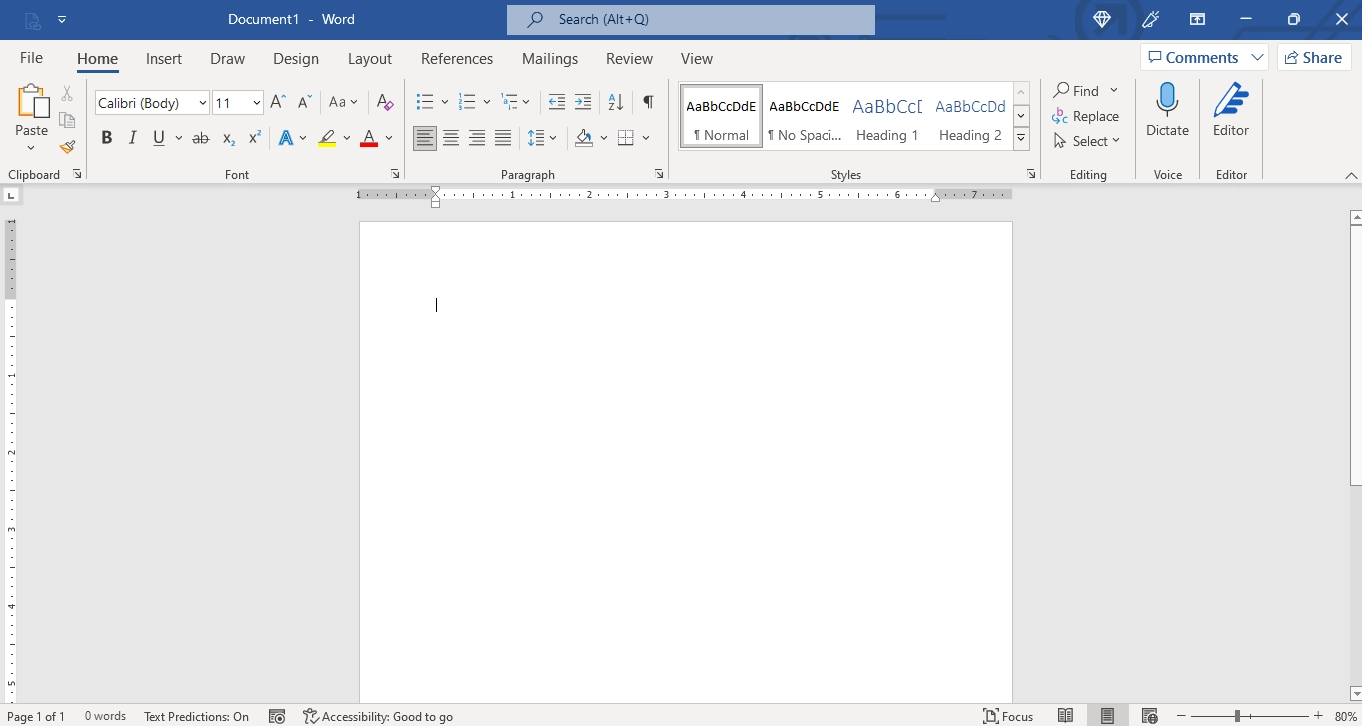
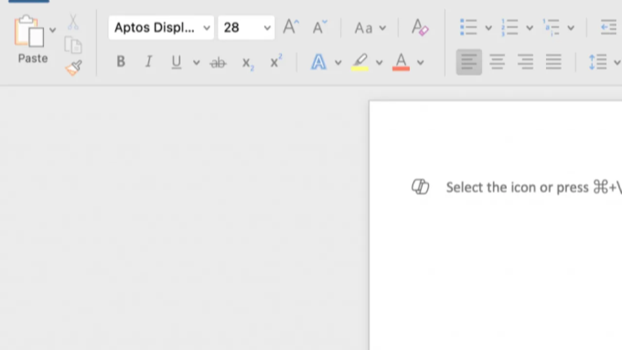
We all know this app. It's called Word. Supposedly, it's made for writing. In reality almost everything it does is against writing.
It is profoundly unpleasant to write in it.
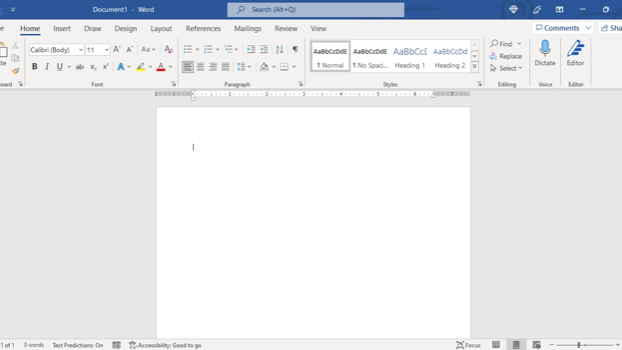
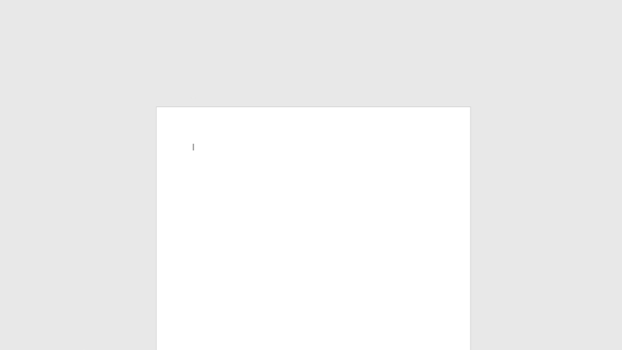
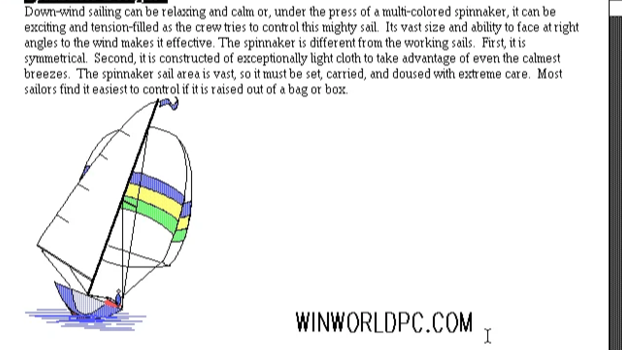
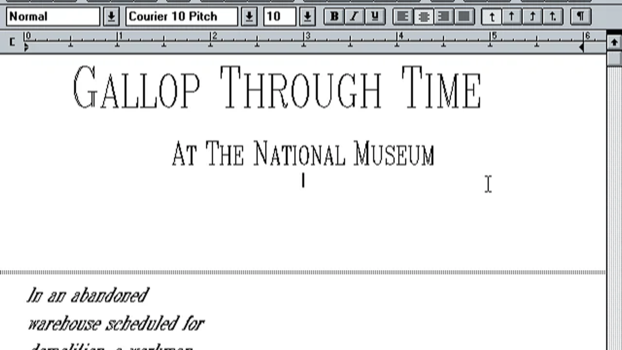
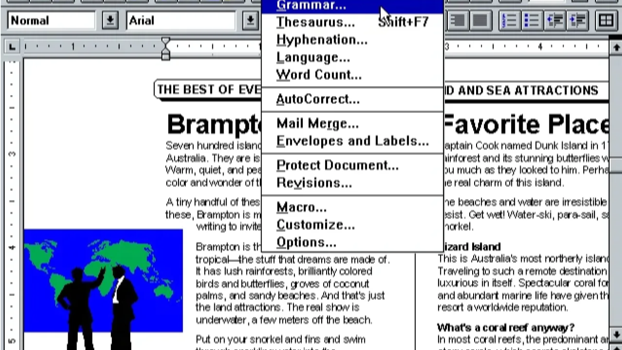
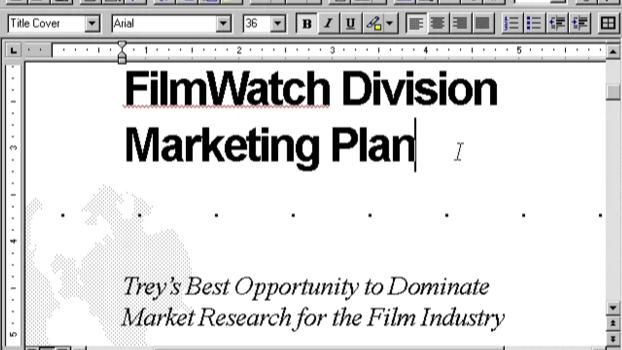
A forest of buttons, and, in the center, a white sheet of paper with a tiny blinking cursor. While most content today is read on screens of many sizes — mostly on mobile — Word still frames writing as placing text onto a fixed sheet of paper. Not metaphorically, but literally.
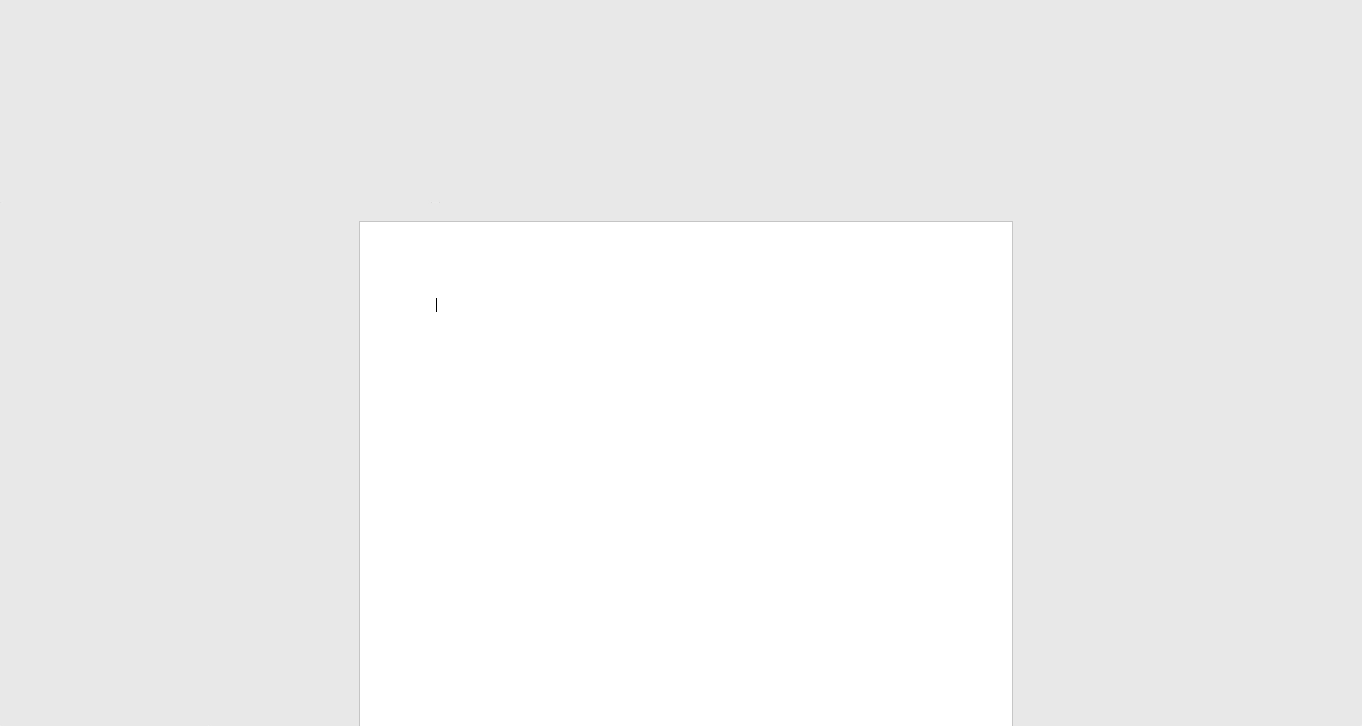
What do you get? Content is framed as something destined for A4 or US Letter. This shifts the user’s focus toward how it will look in an outdated print format rather than how it will be read on modern devices. The text and cursor are small, optimized for layout precision instead of readability. And despite the dense interface, very few tools actually help improve the quality of the writing itself.
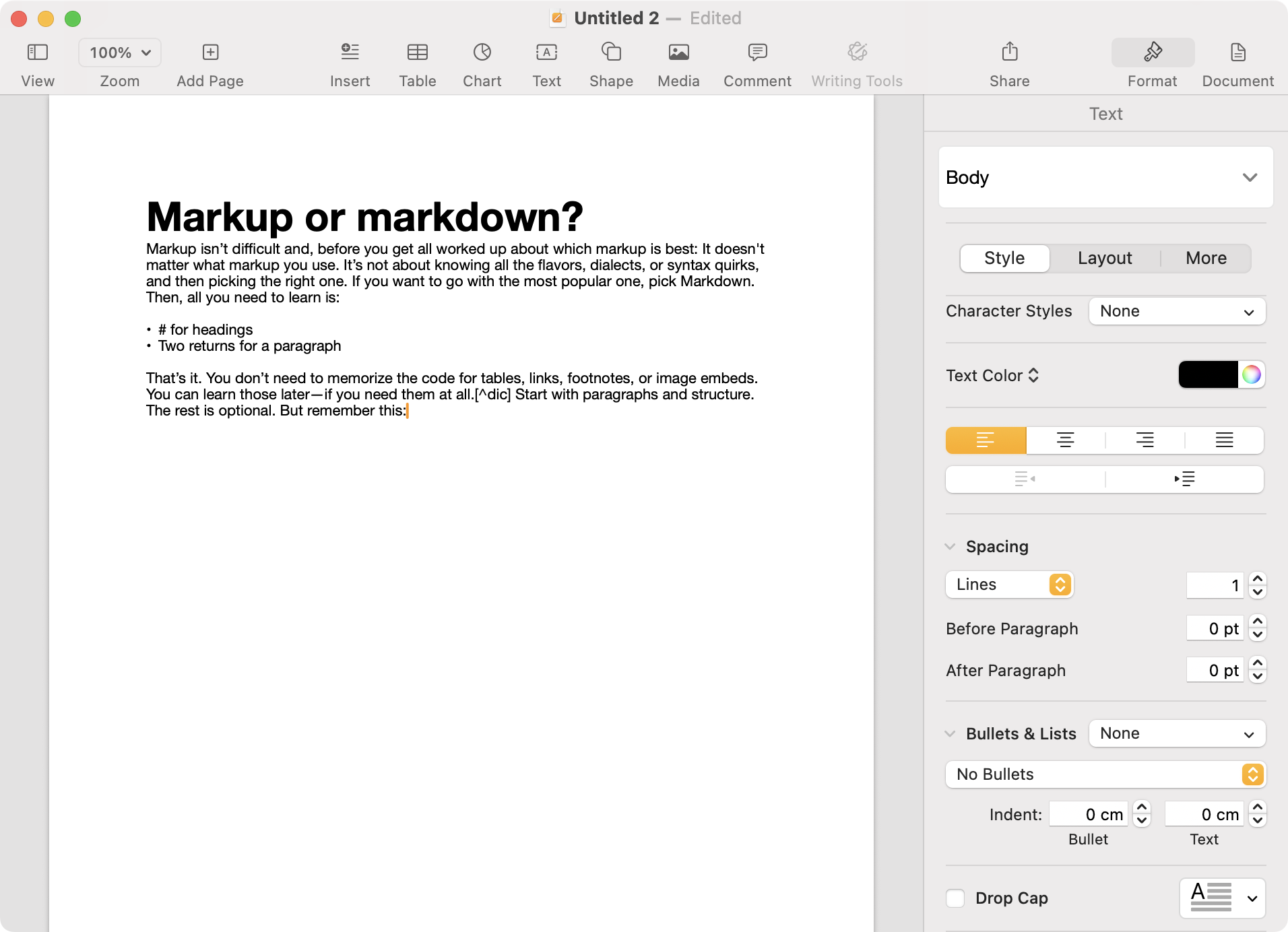
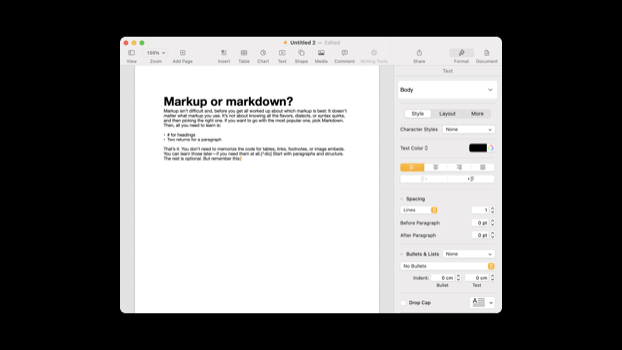
The Word model is omnipresent in all writing apps. Google Docs, Apple Pages all follow the same papersheeut approach in their base UI. The reason why all writing apps look the same is not just due to a lack of imagination. Everybody expects the paper-based MS Word model.
Established UI models always outperform innovative ones, because useable is not what would be easy or easier to use, but what we are used to.
Microsoft Office is a measurably inefficient, distracting and hostile work environment. But people won't change to a new model, because the only thing we hate more than old broken software is change.
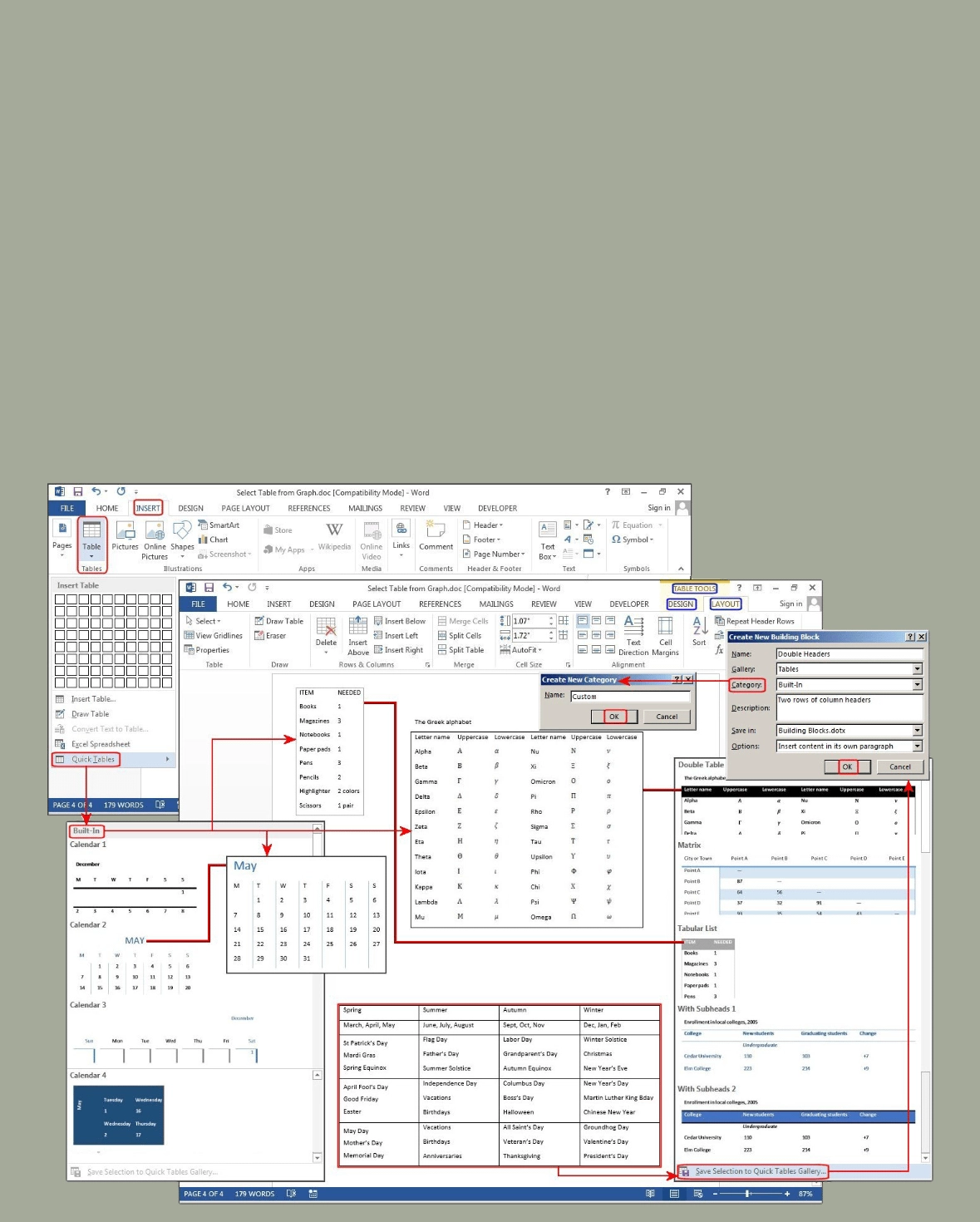
Word is modeled after what offices used to be. A place where you fill paper with words and then print and send and archive stacks of papers into files and cabinets.
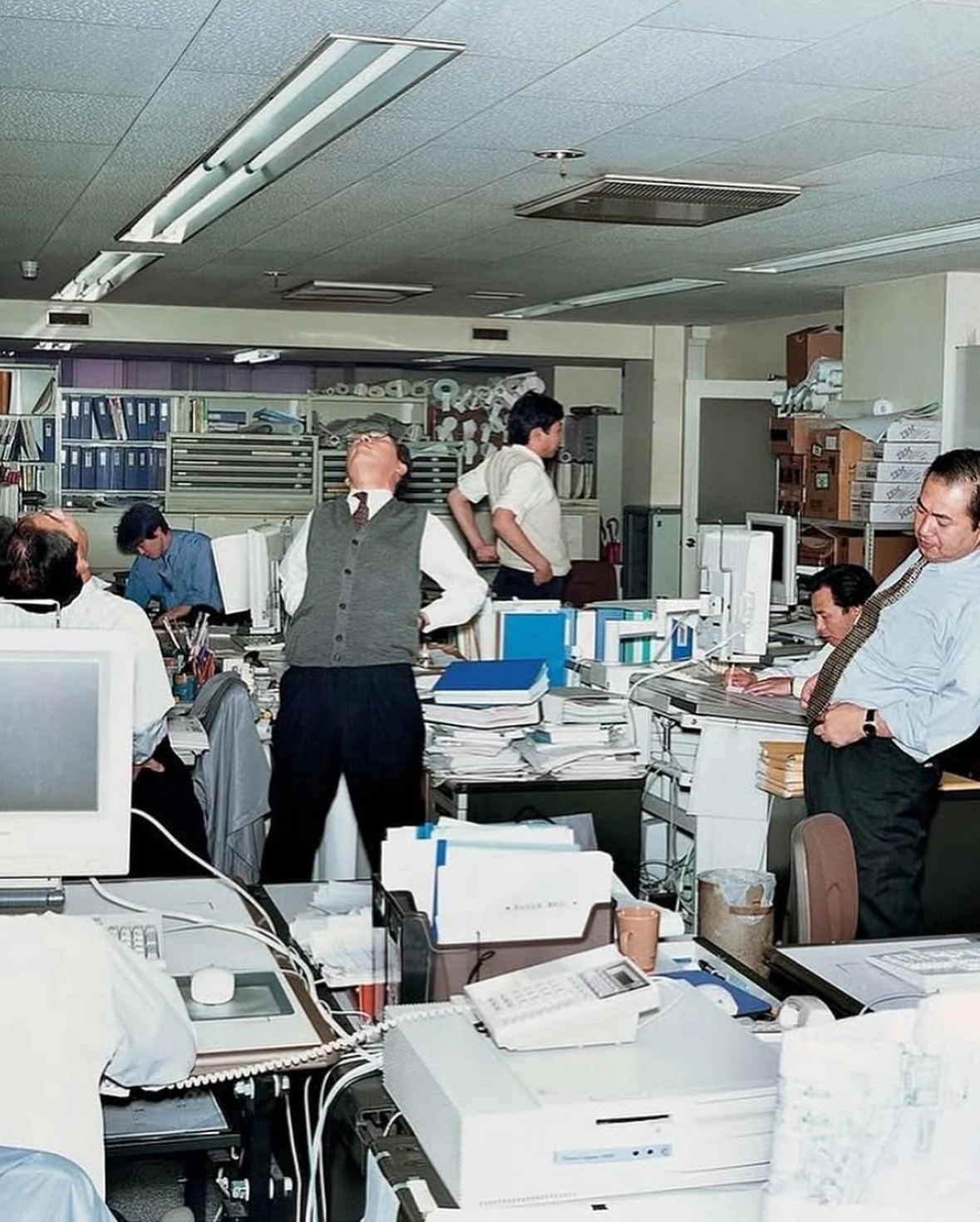
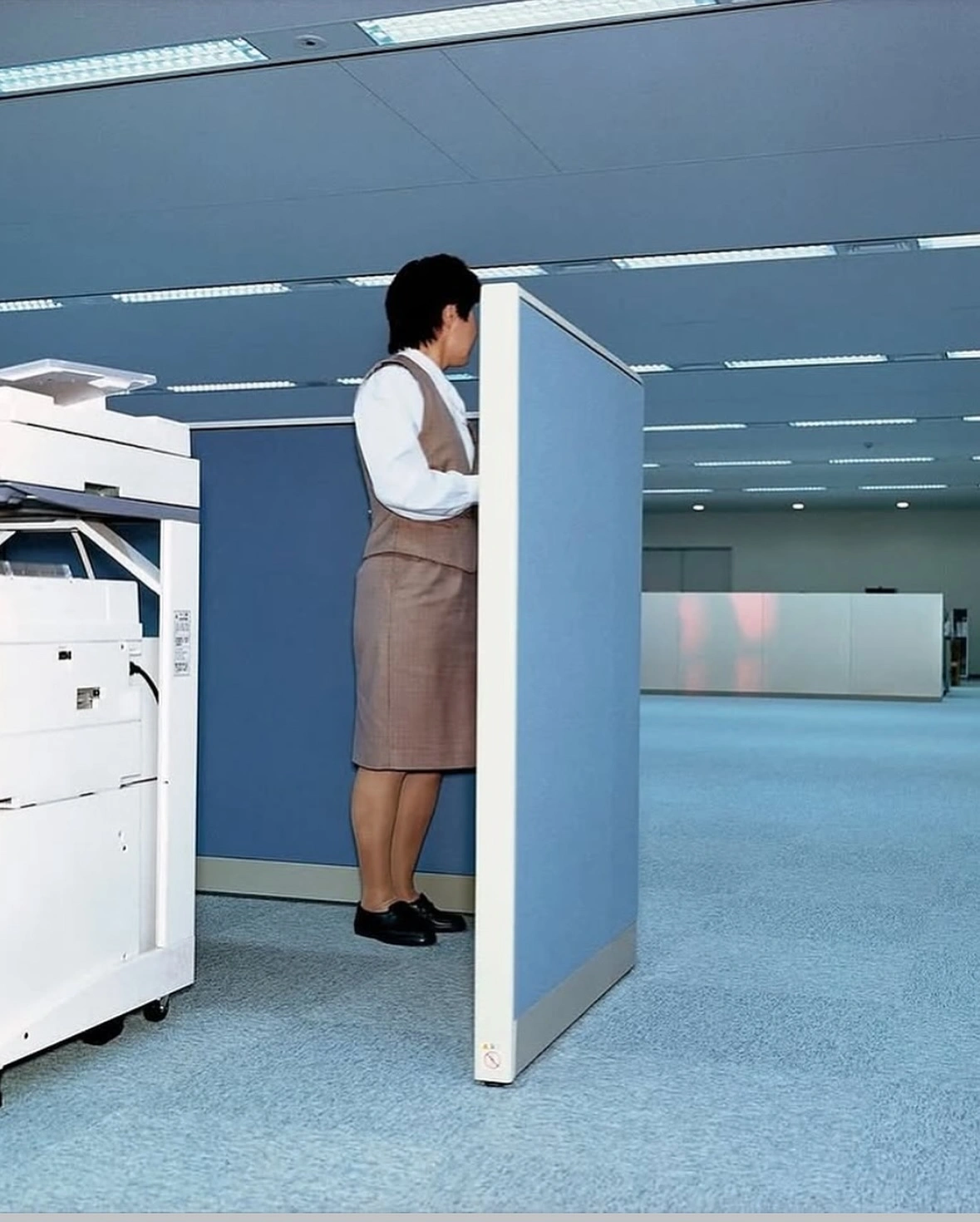
And even though we have moved way past that type of work, it has shaped the office and made sure it doesn't evolve with time. Microsoft Office was shaped after a prison and then it made sure that the prison stays a prison.
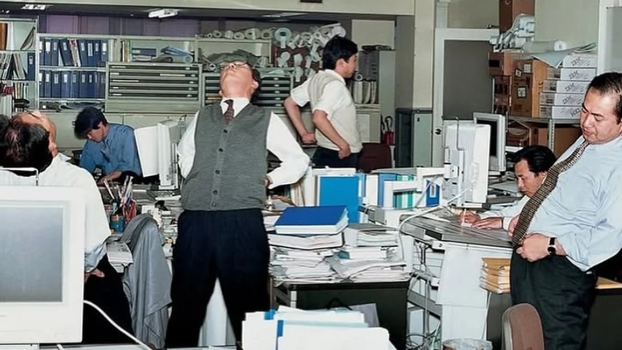
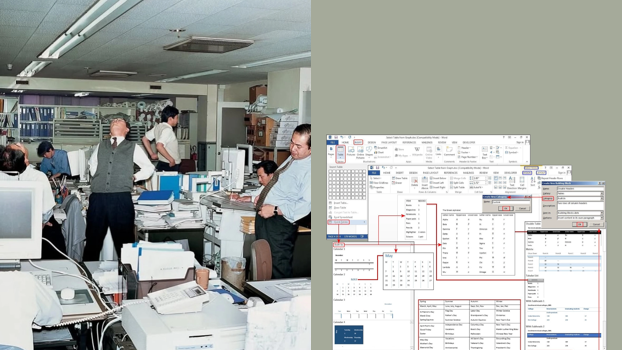
The Real Office, ca. 2001. MS Office is modeled after how the real office used to work. And at some point, in return, the real office became a bit like MS Office.
(Source: Chilvrs and Loophole Magazine)
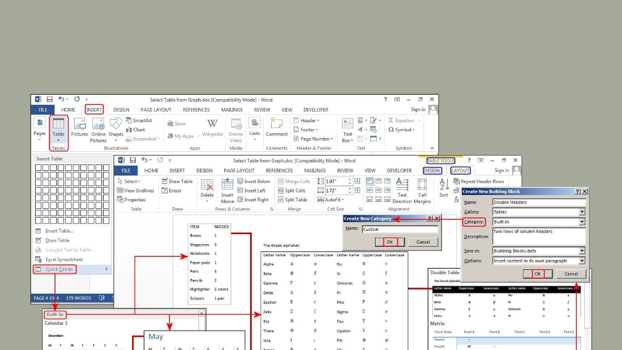
What You See is What You Get: Screenshot from an article that explains how to “Insert QuickTables in Word.” Doesn’t look very quick, but looks can deceive. (Source: PCWorld)
The fundamental problem is that they are built on an obsolete model.
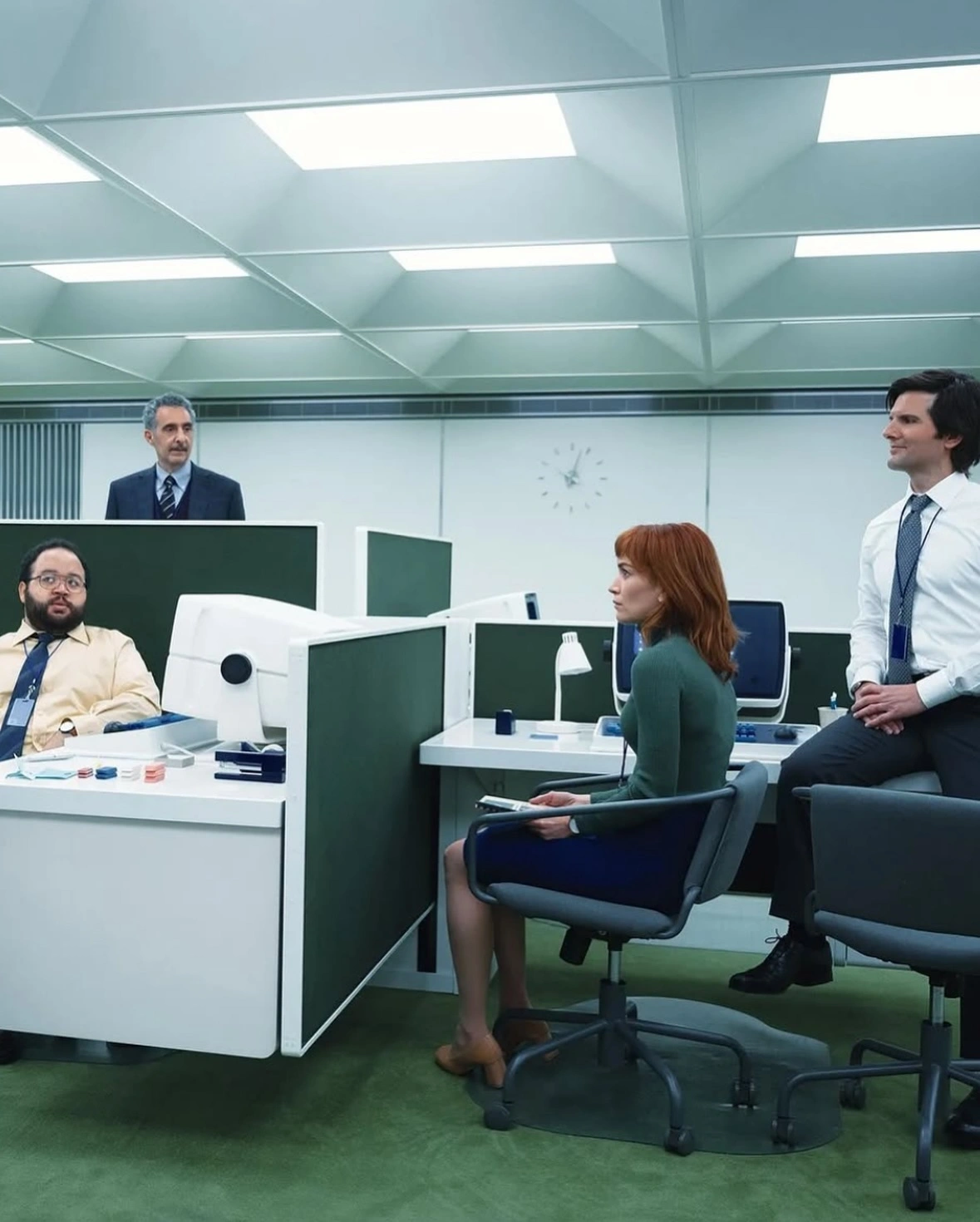
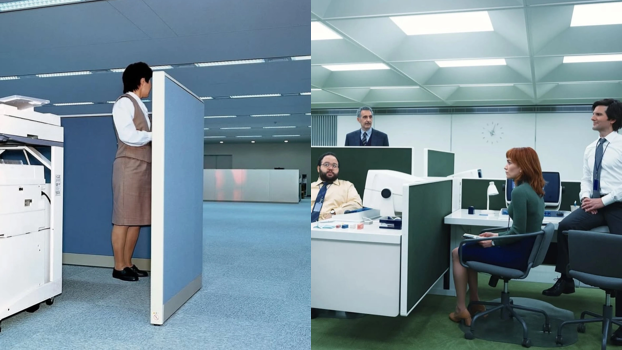
Lars Tunbjörk, Office, 03: Food industry, Tokyo 1999 “The distinct visual style of Severance was inspired by Swedish photographer Lars Tunbjörk’s 2001 series Office, according to cinematographer Jessica Lee Gagné.” Source: Chilvrs and Loophole Magazine
“At first, she hesitated to take on the project because of how dull and monotonous office spaces can be, but ultimately embraced it.” Chilvrs
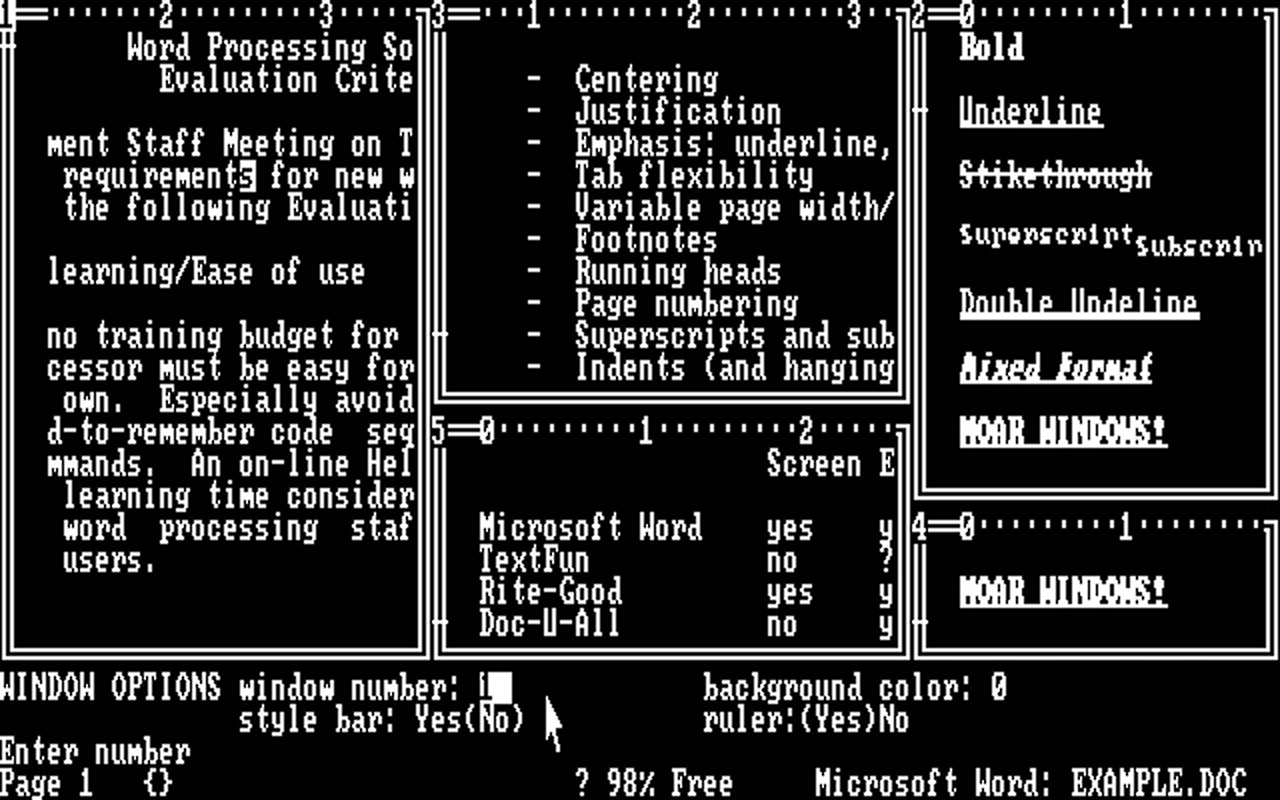
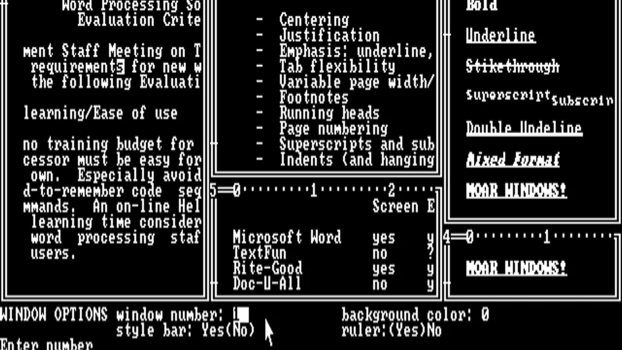
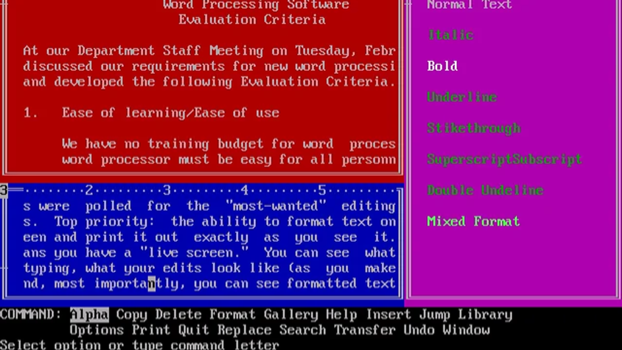
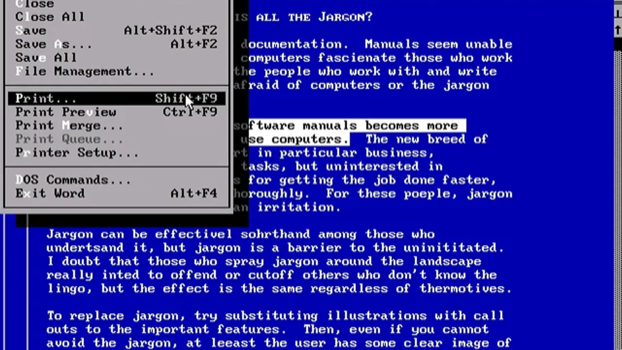
From the get-go, Word was focused not on writing but on formatting.
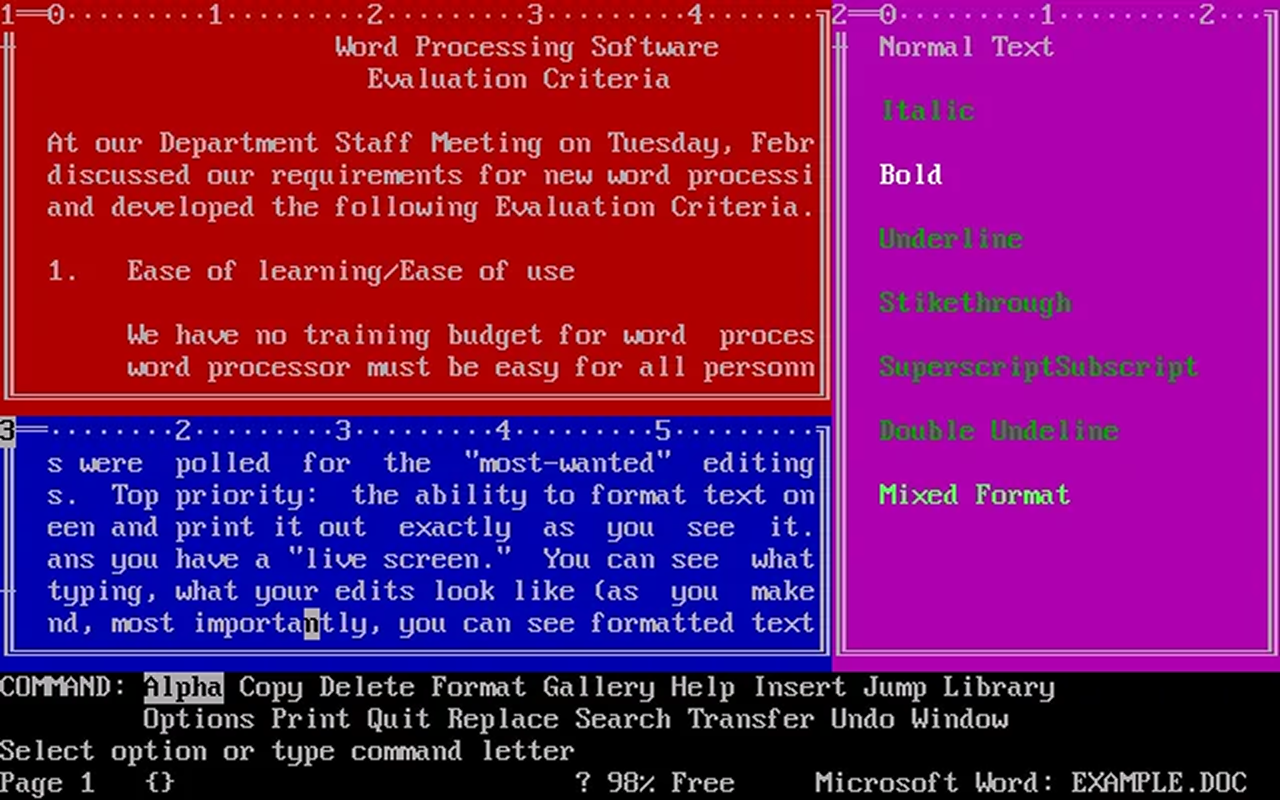
The first change was adding colors.
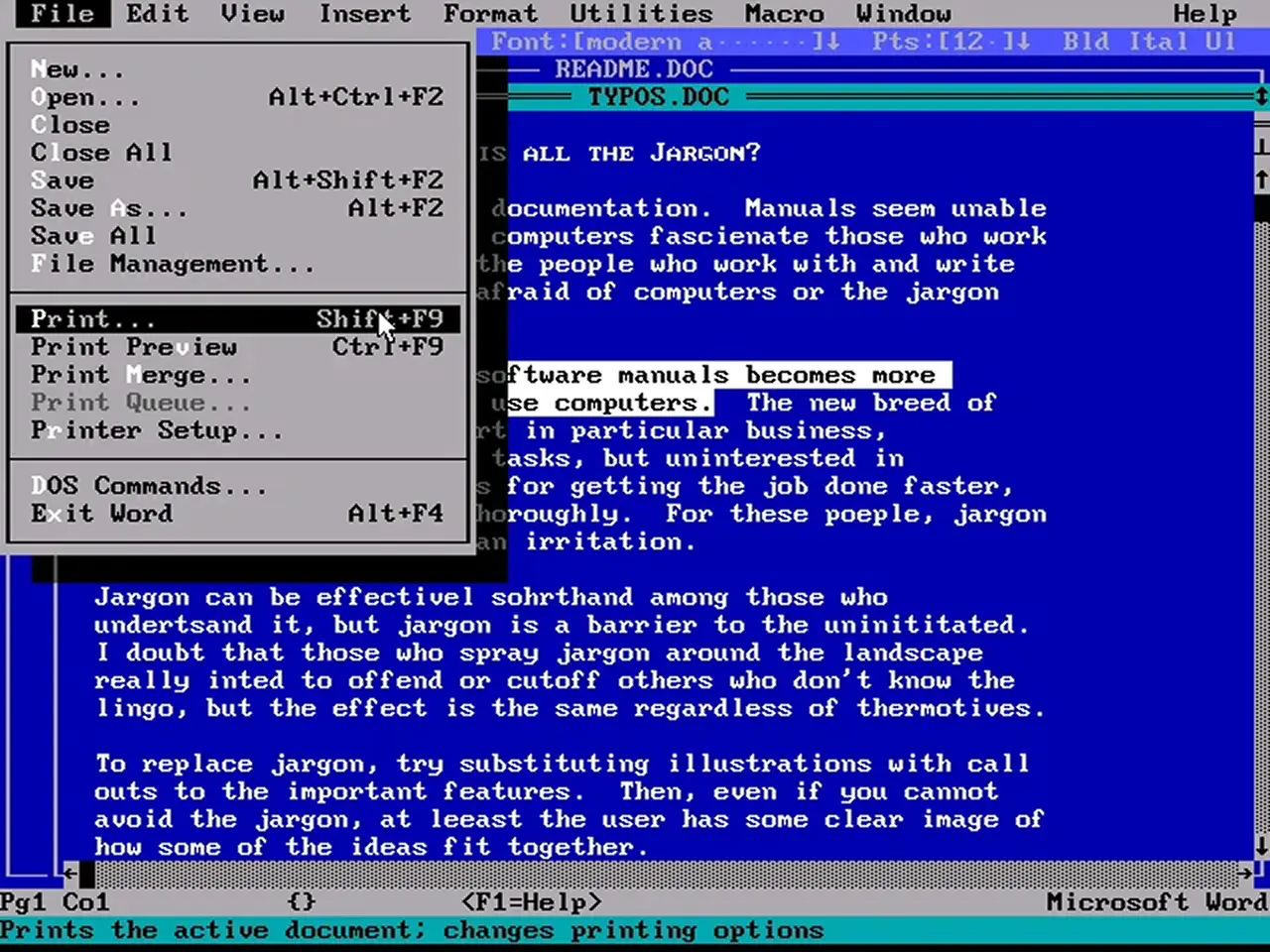
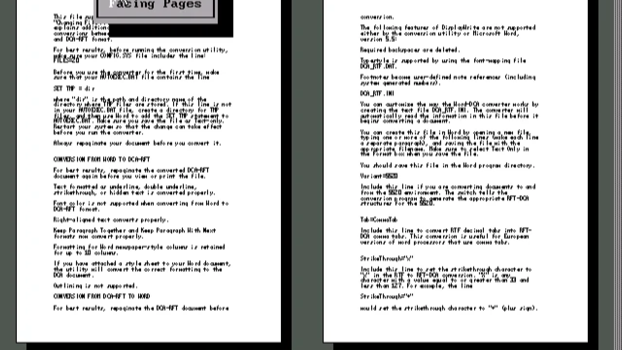
Print was the goal.
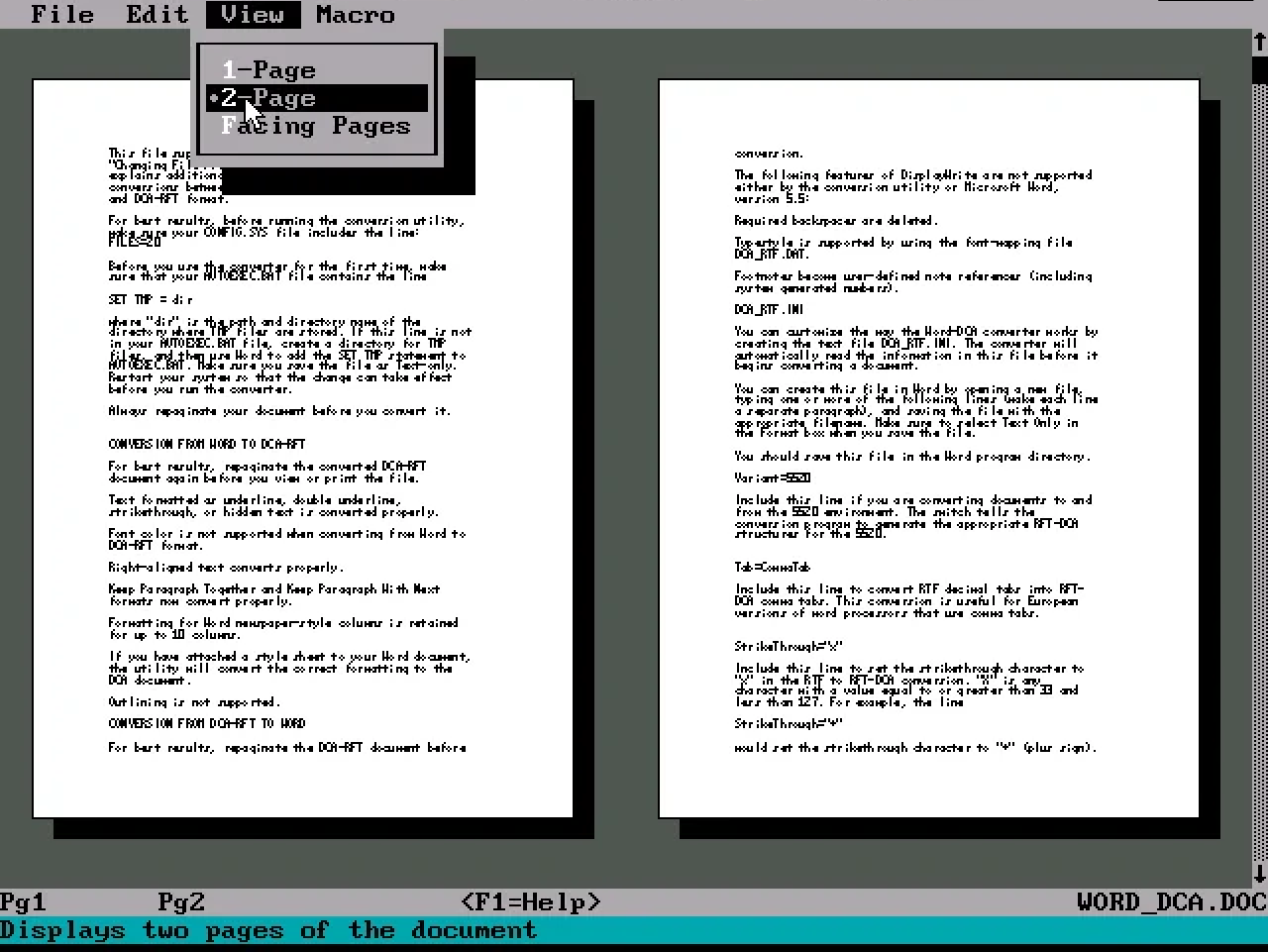
Paper frames it.
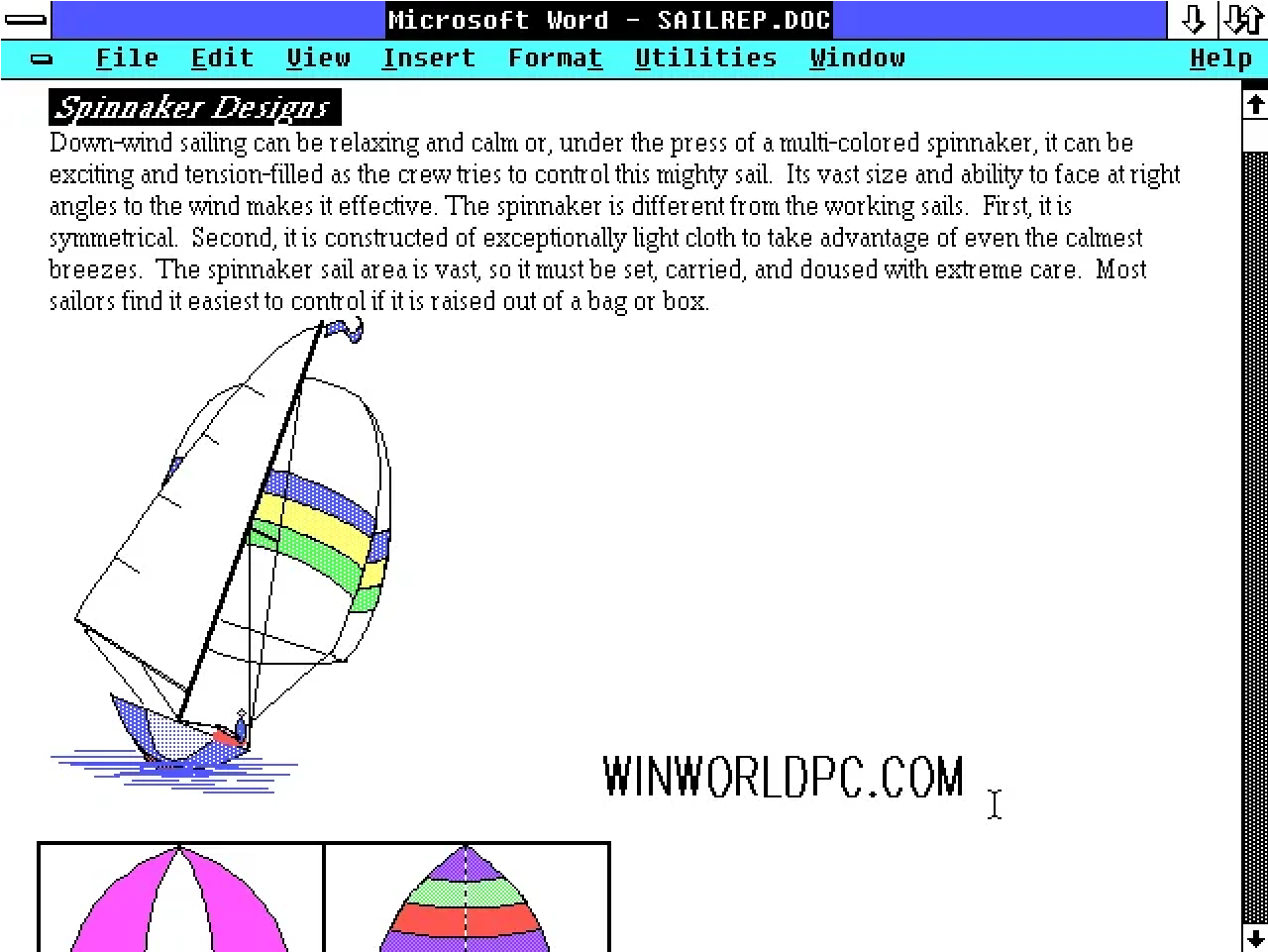
Writing is boring. Let's add some fun.
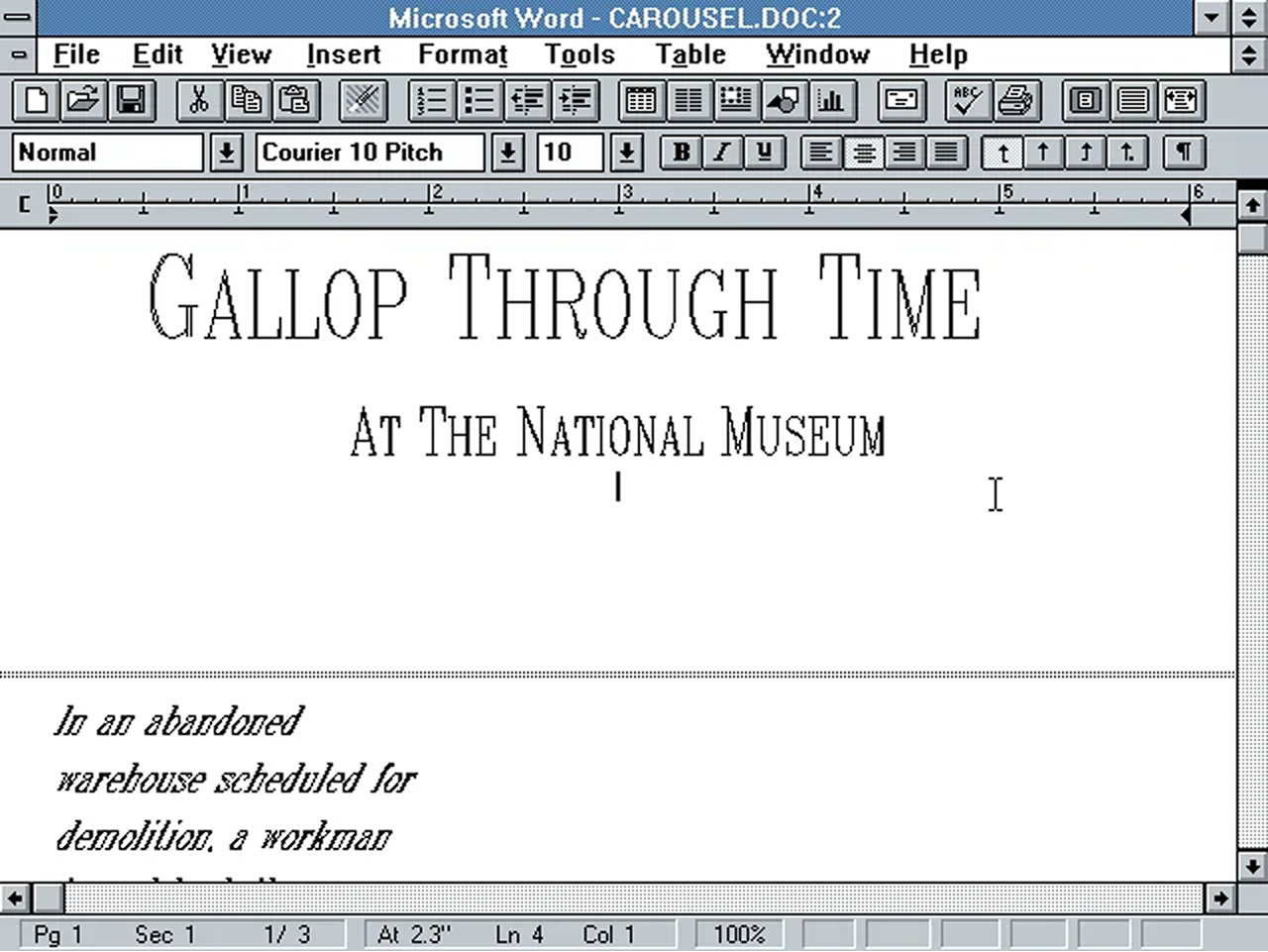
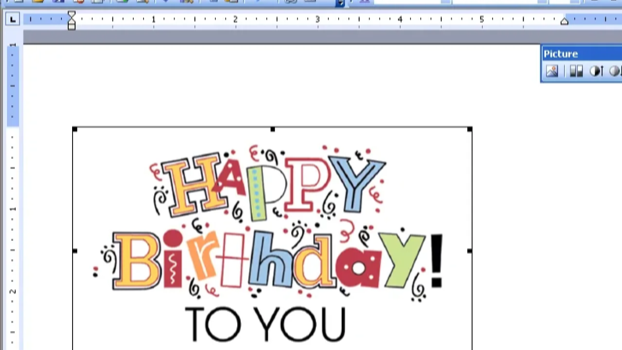
Typography is cool, but we need more buttons and rulers!
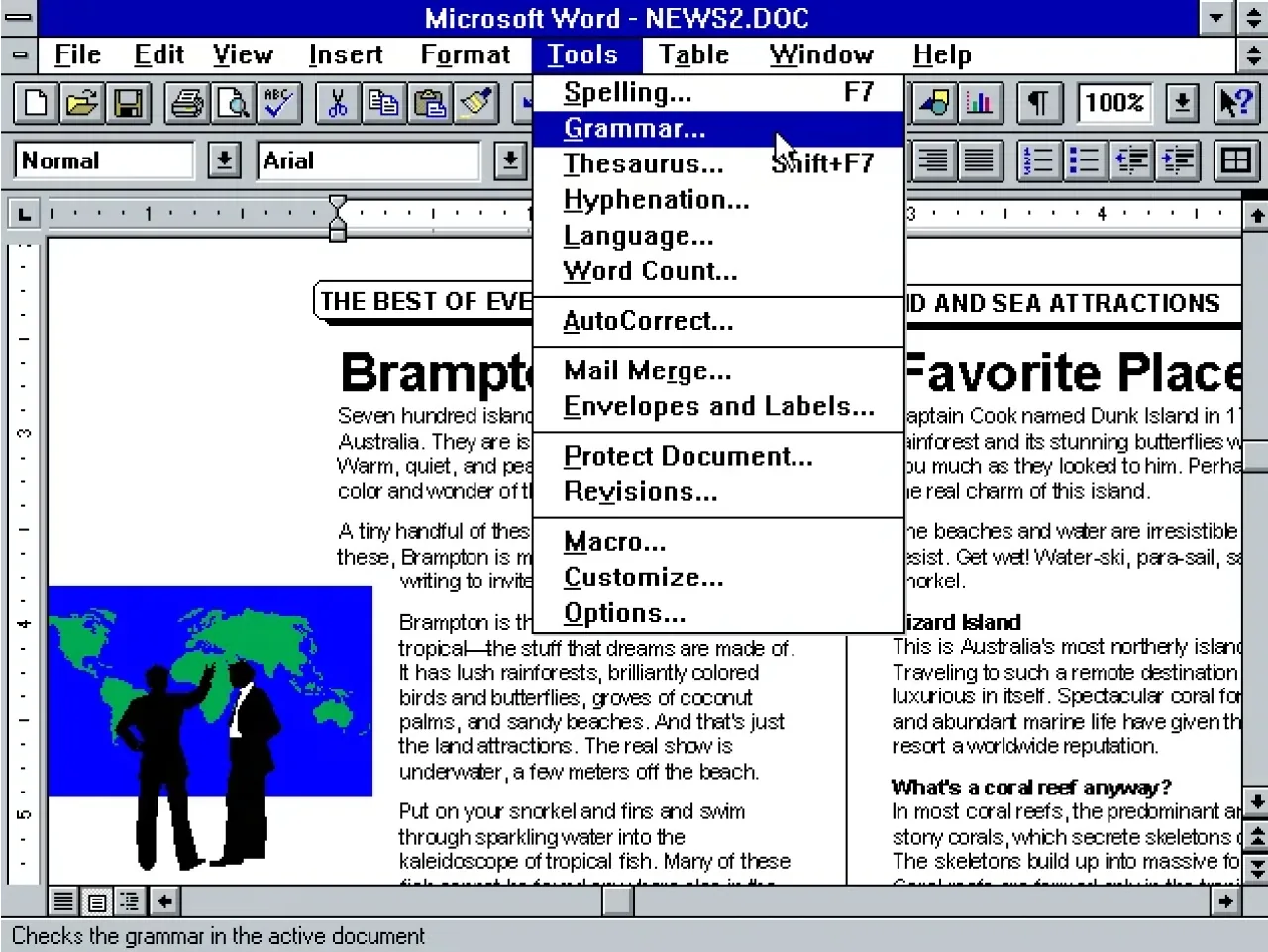
Words are not enough. A picture says a thousand words.
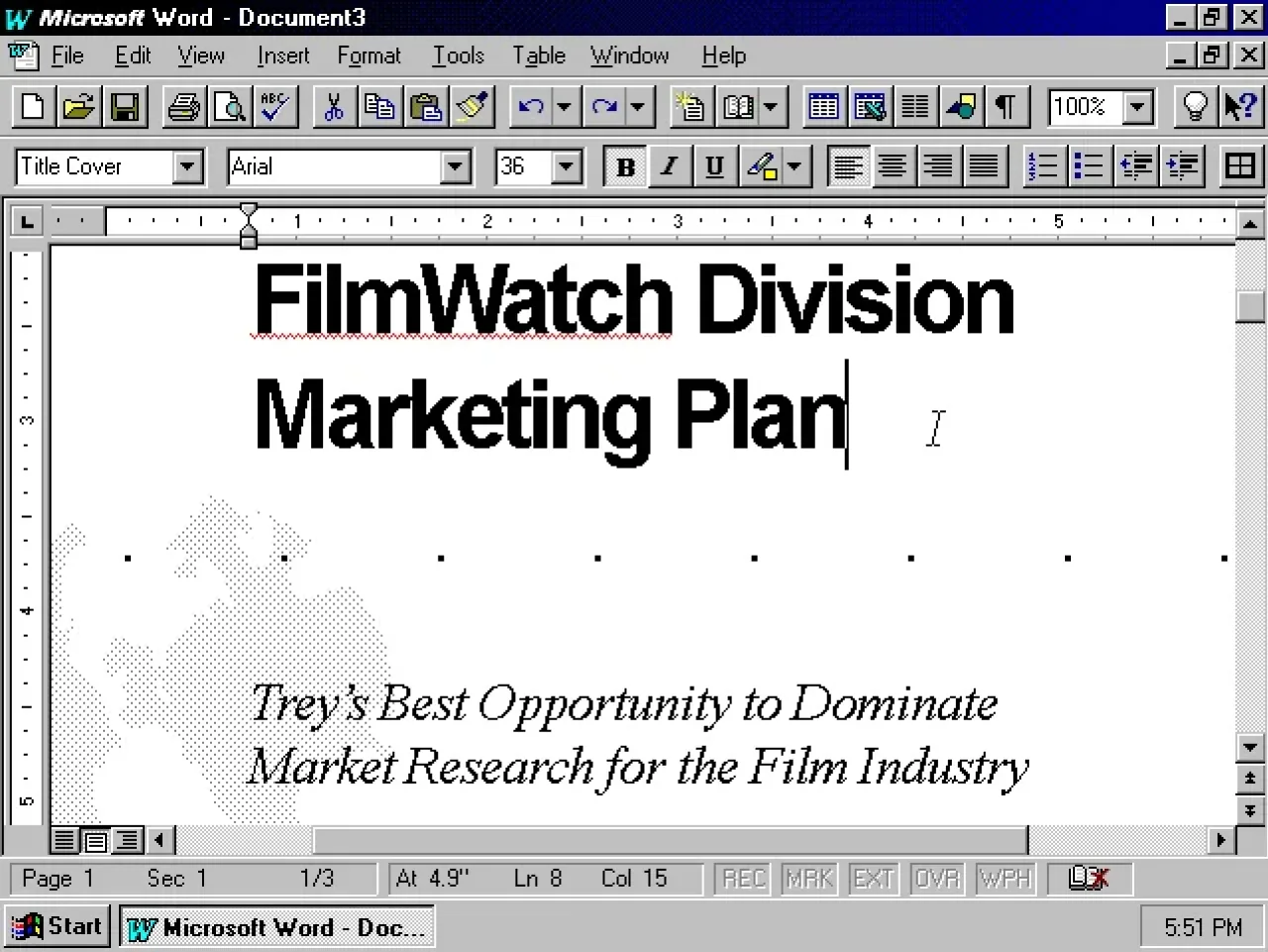
More buttons for more control.
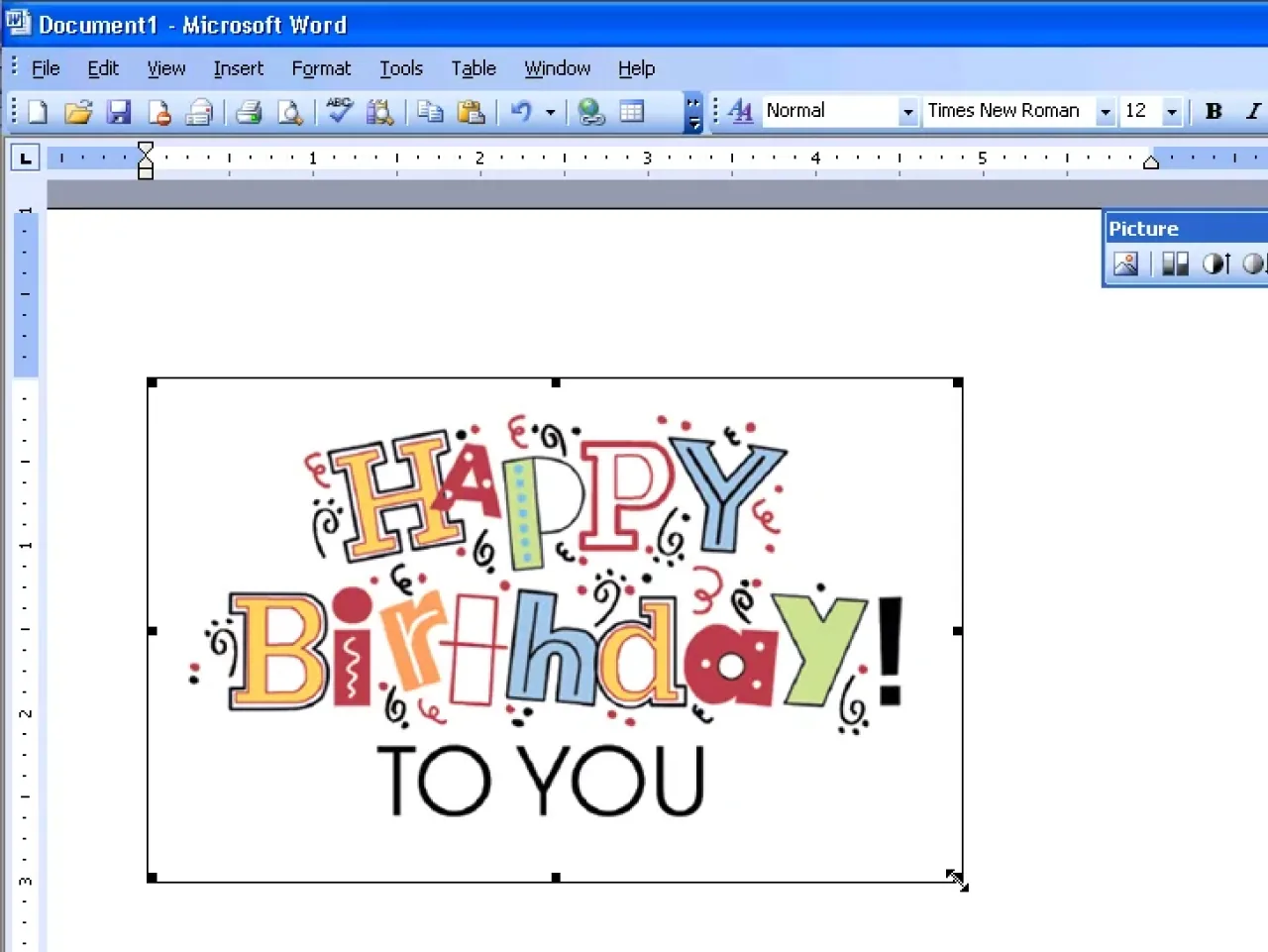
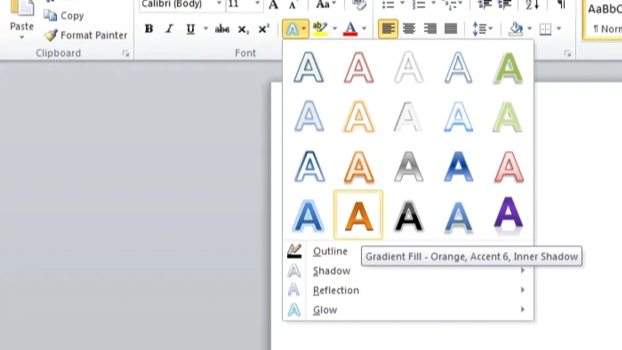
More color, more fun.
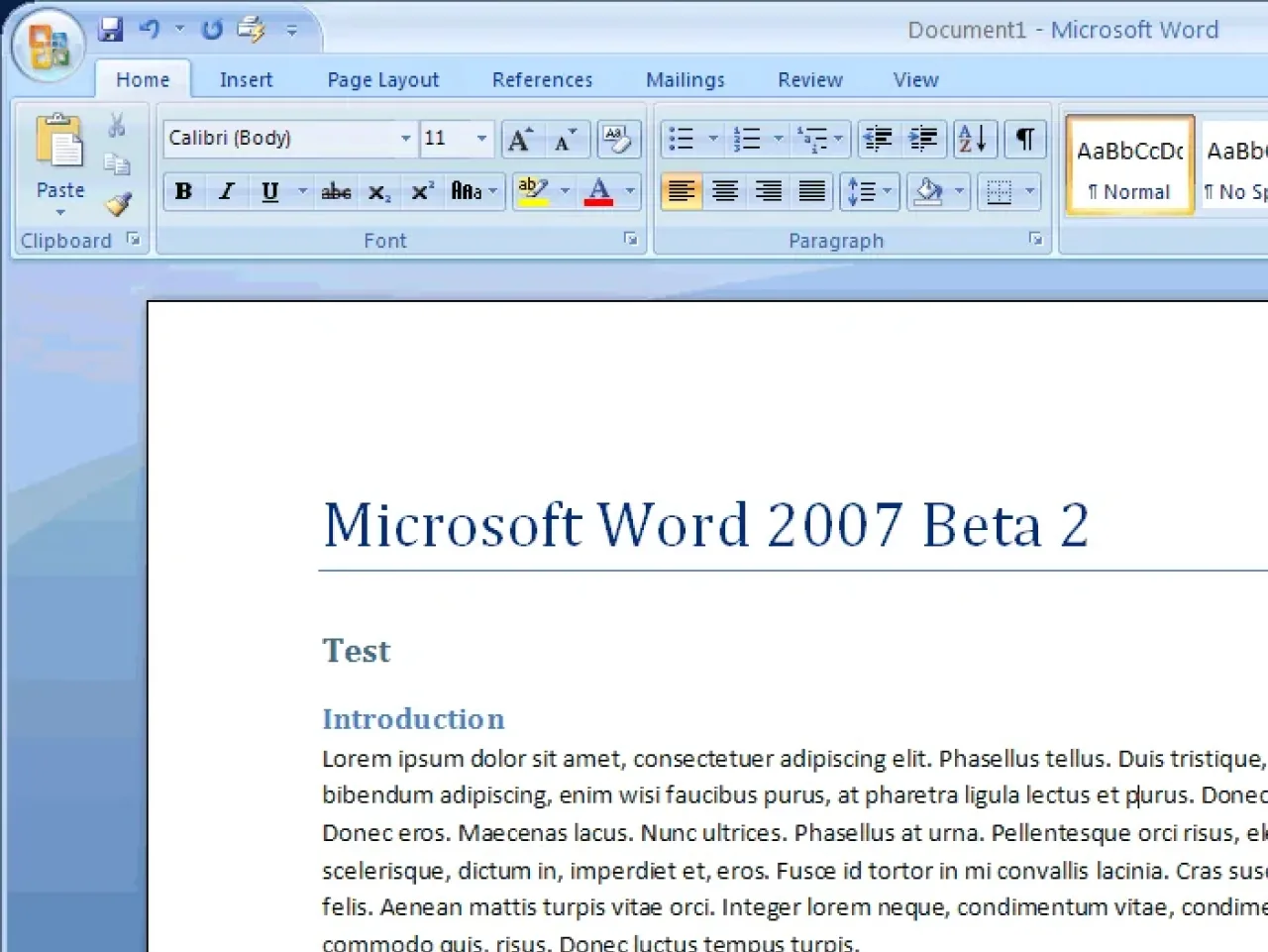
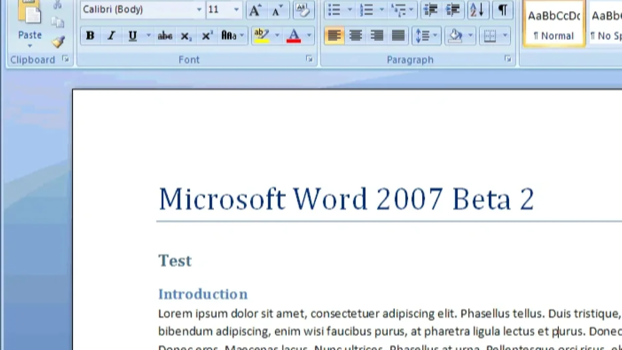
2007, paper on screens in a blue world.
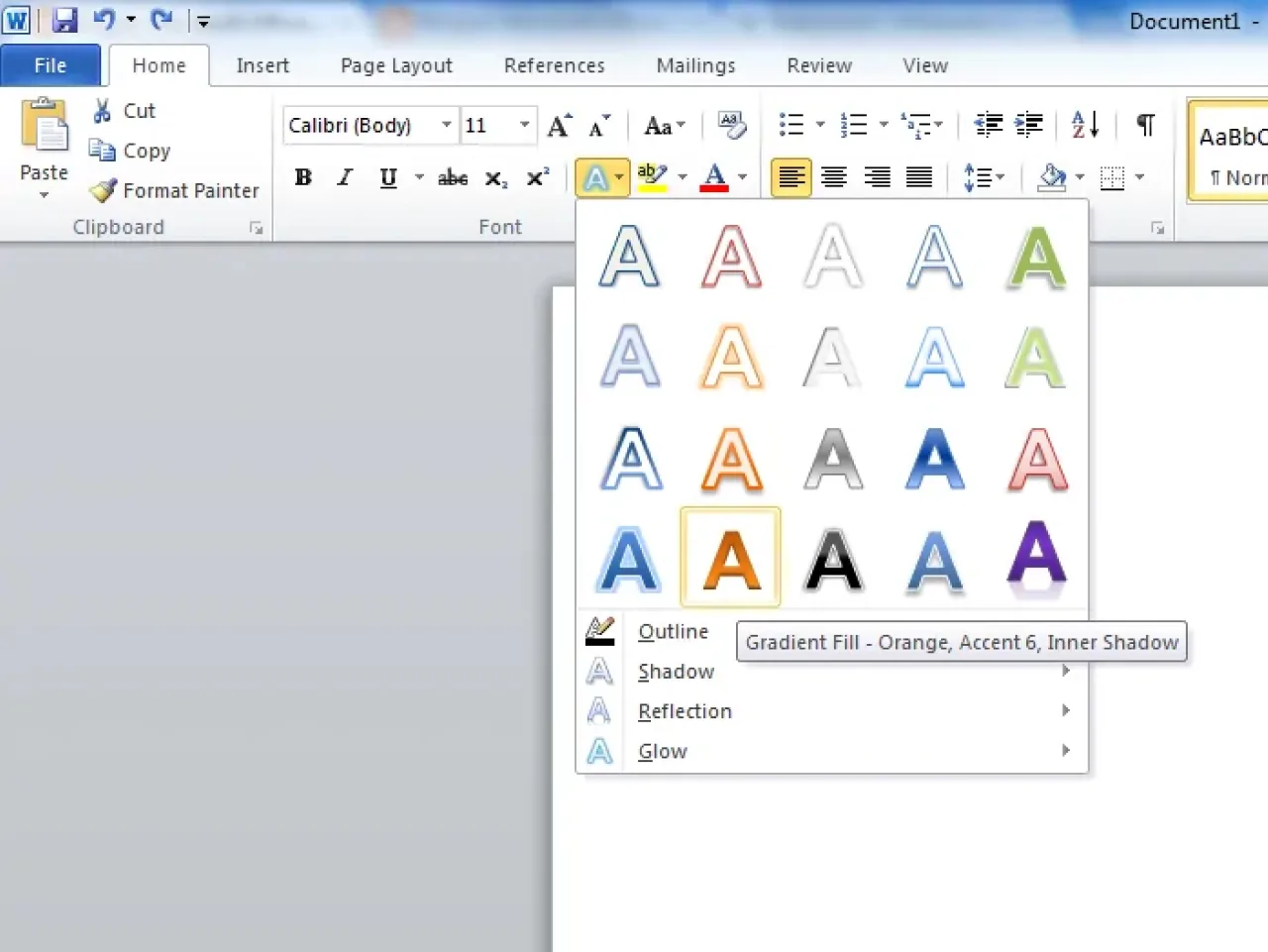
With fun colors.
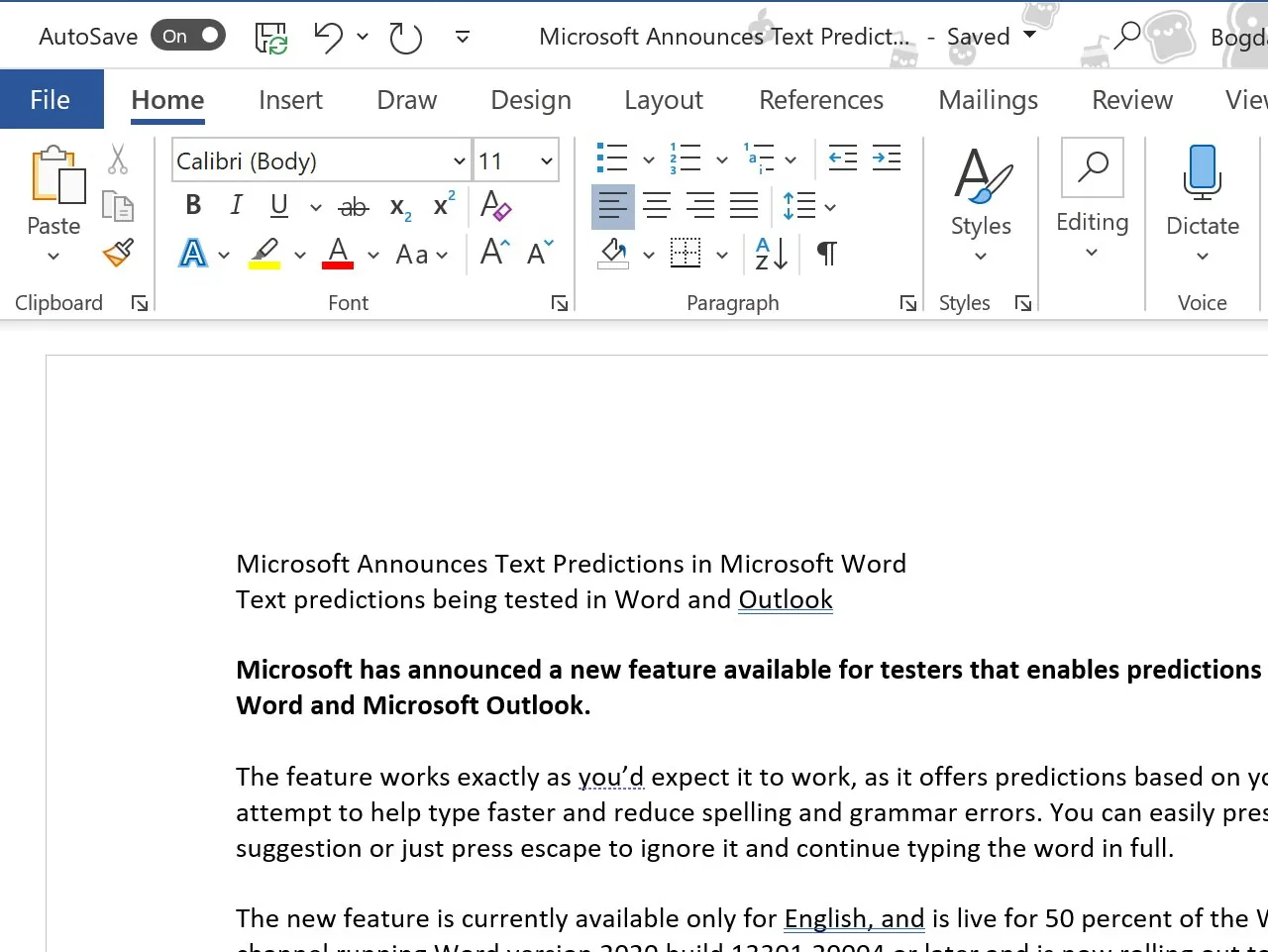
And more buttons.
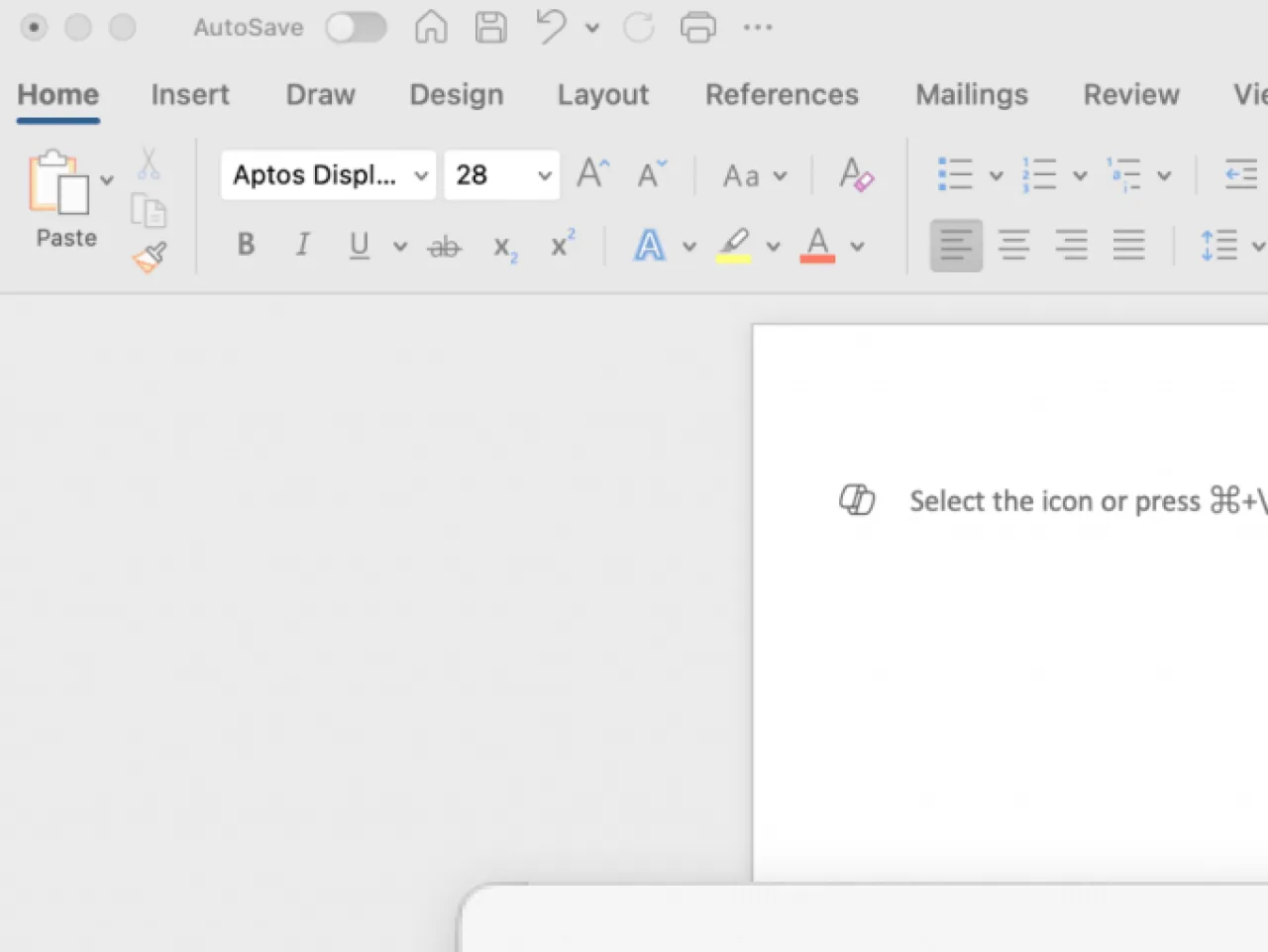
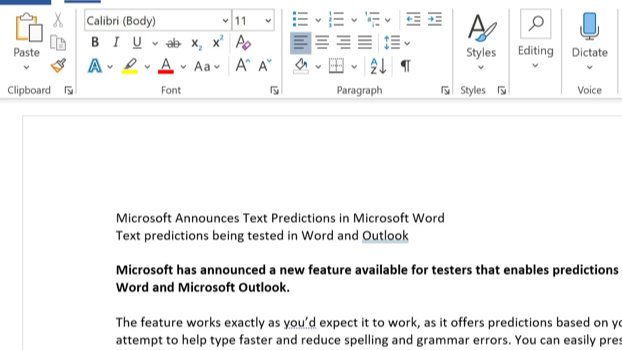
Maybe we overdid the buttons. Let's reduce them, because now we have...
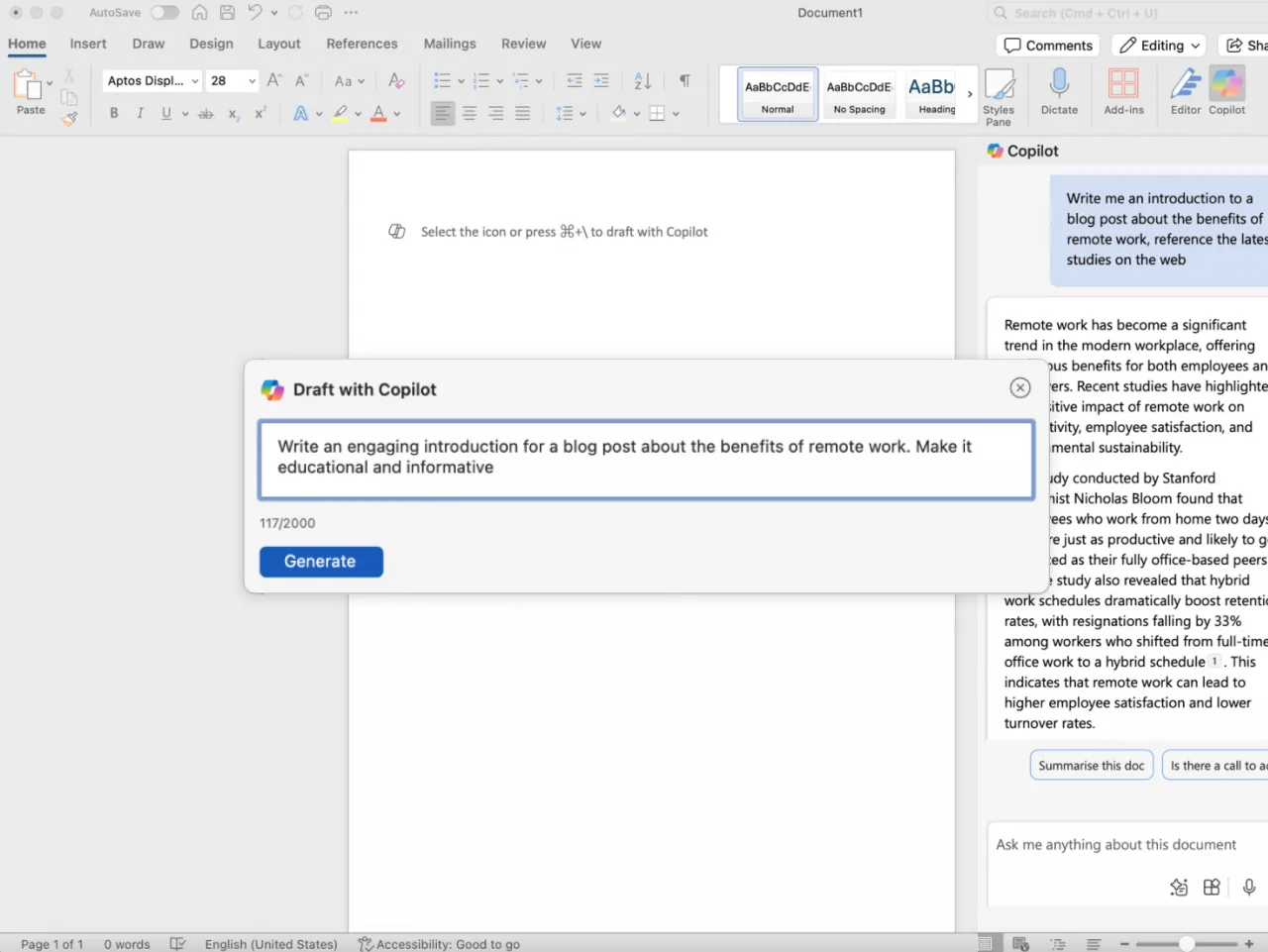
AI! When we set out to redesign writing apps we underestimated just how convenient inefficient software can be. Inefficient software that makes it hard to think facilitates the common work theatre that pretends to work and in fact mostly bills for time spent.
Our apps convince teachers because they want to save time doing lesson preparations. iA Writer would be convenient for lawyers, because they could get their job done quicker, but, as several lawyer told us, when we asked them why they don't use iA Writer instead of Word: "Lawyers bill by the hour. We have no interest using more efficient software."
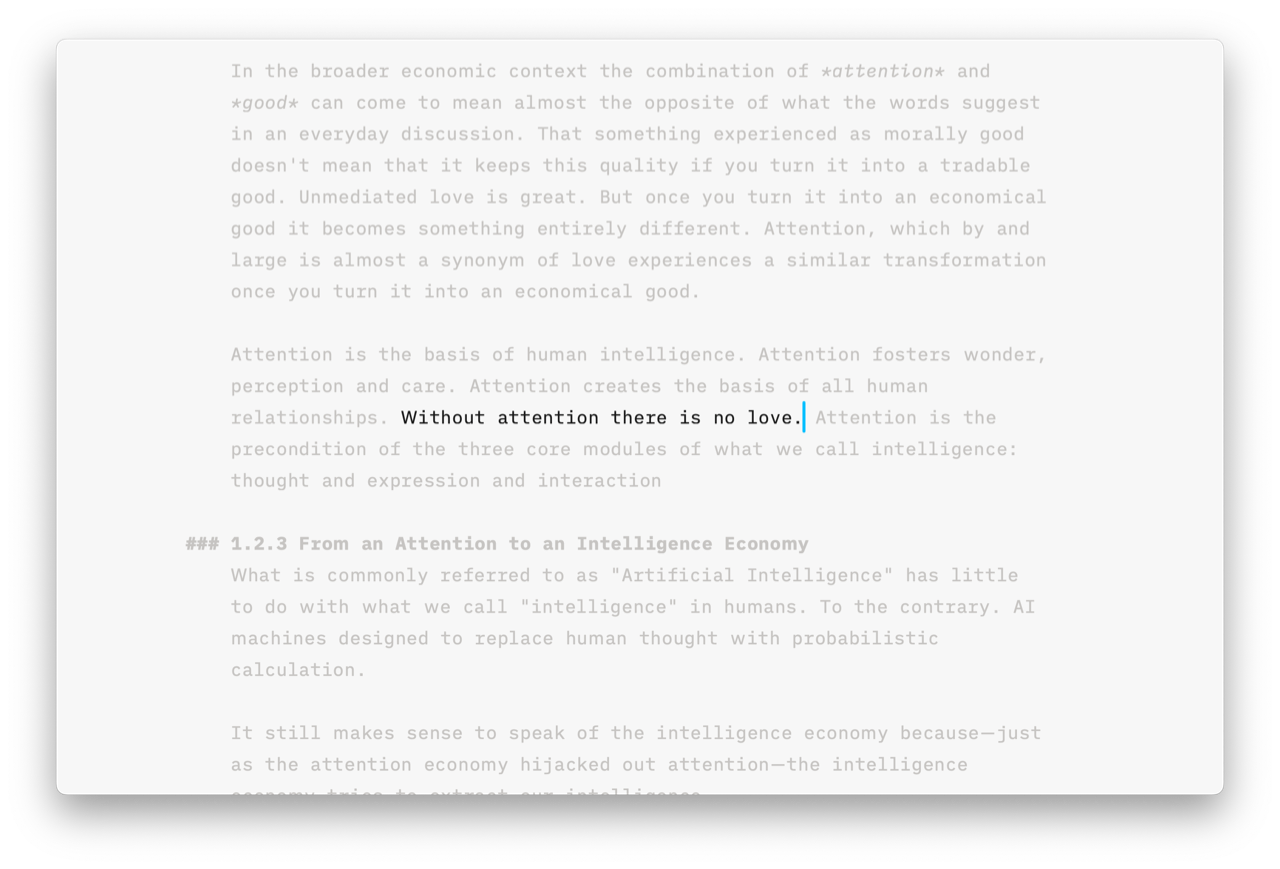
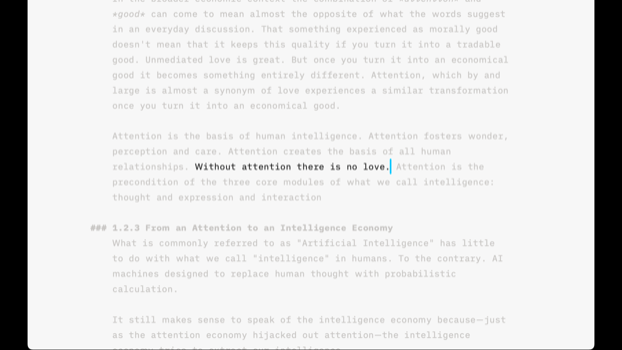
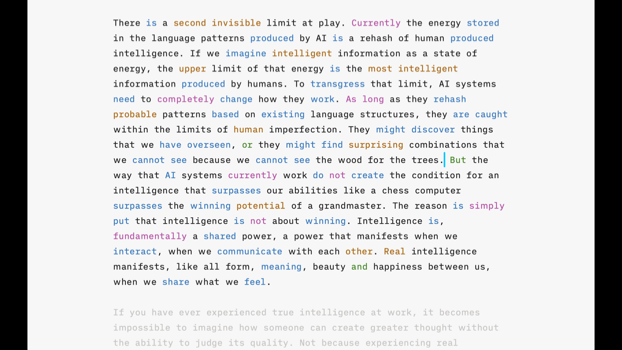
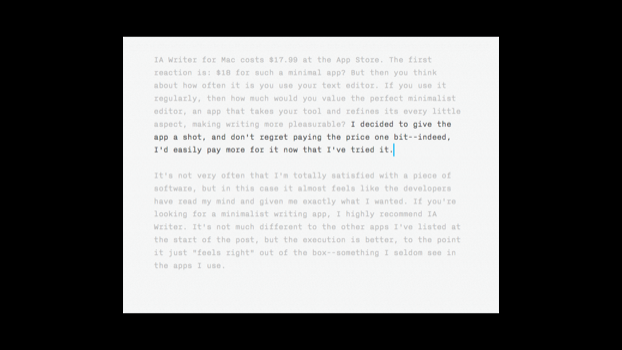
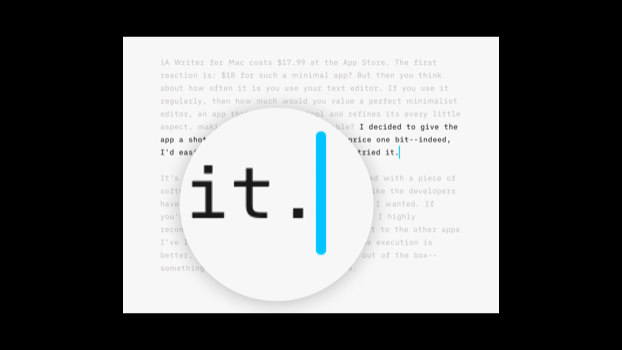
All we need to see when we write are words.
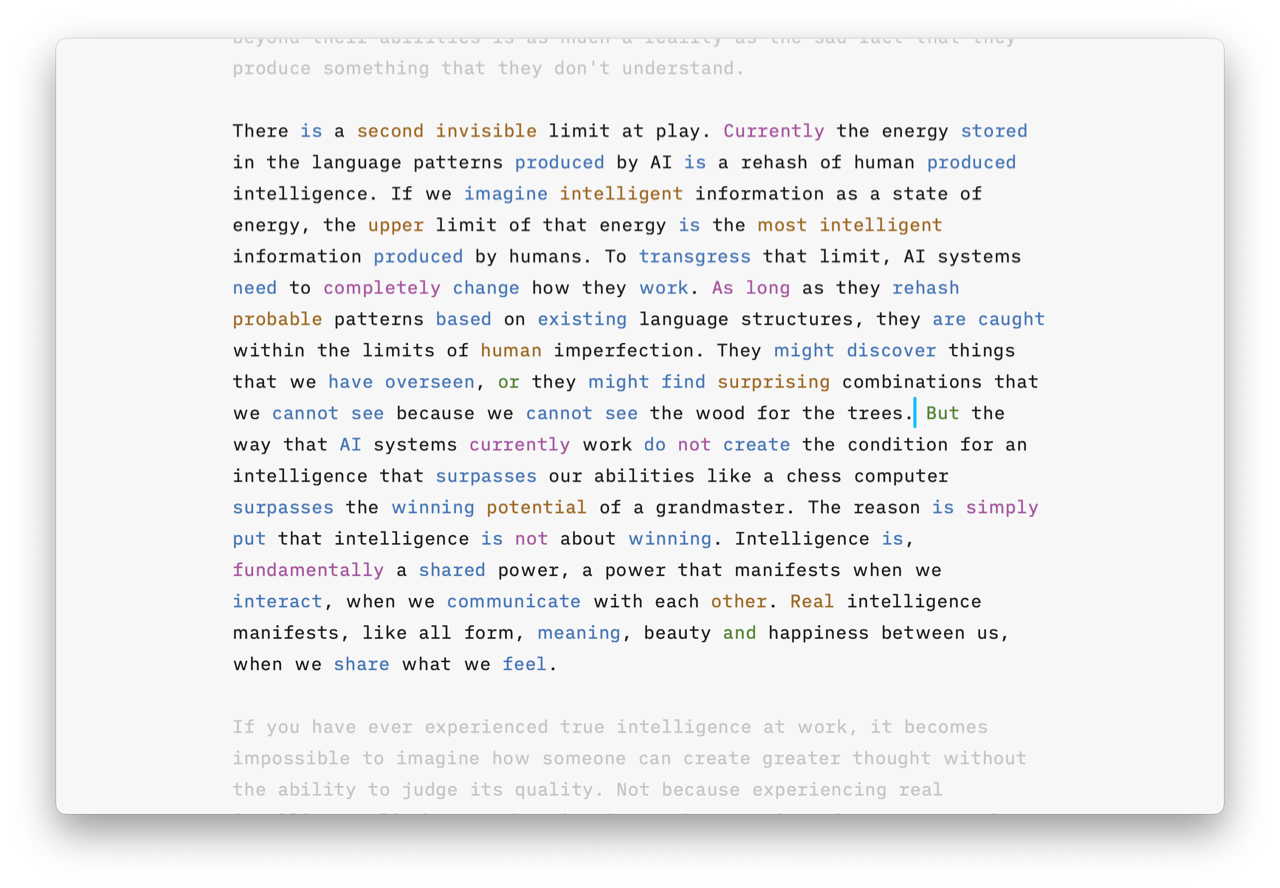
Just as it's helpful in code editors to see the syntax, it's helpful in natural language to see parts of speech. It's always helpful to look at the structure of what you're doing.
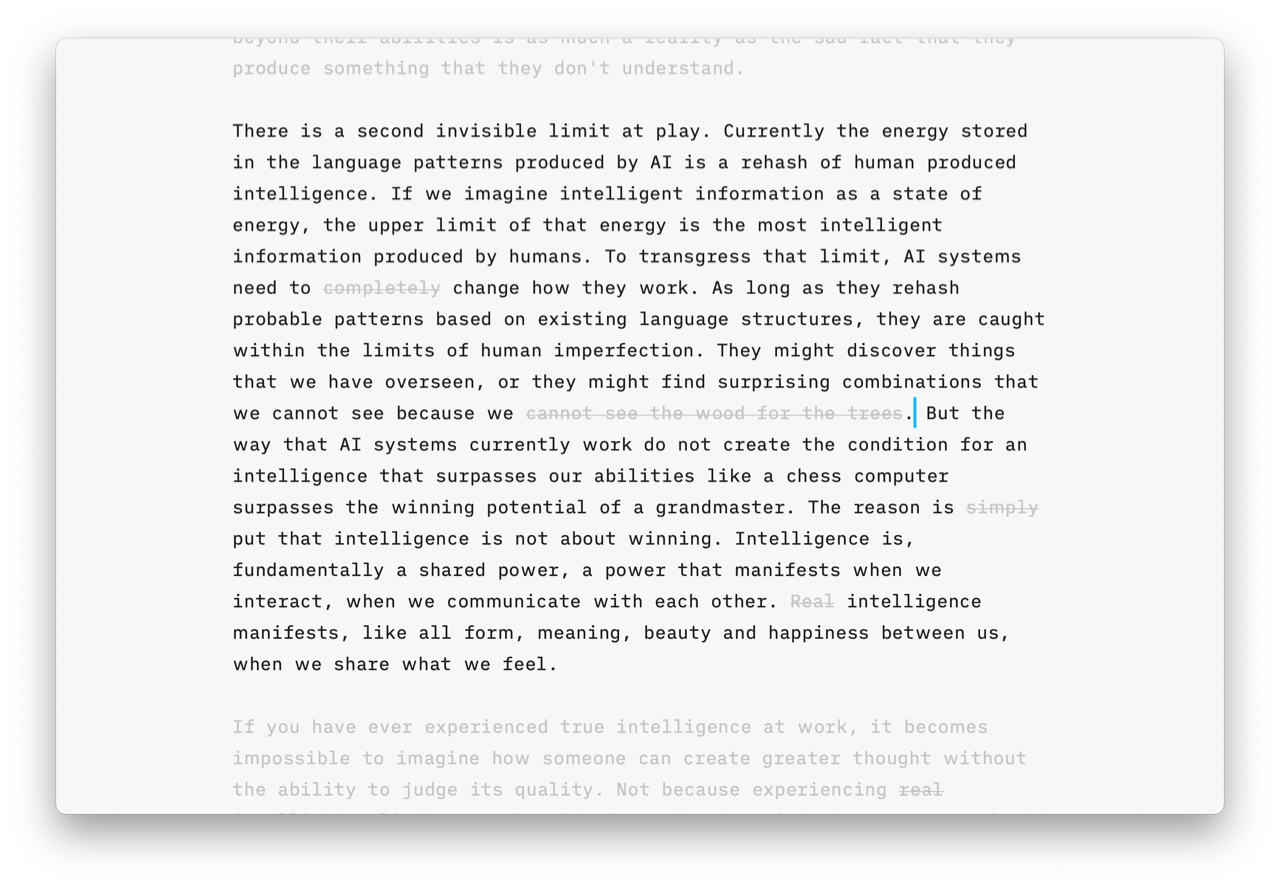
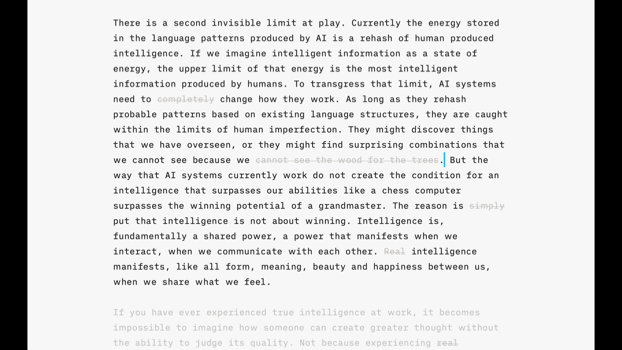
It's helpful to highlight clichés and redundancies.
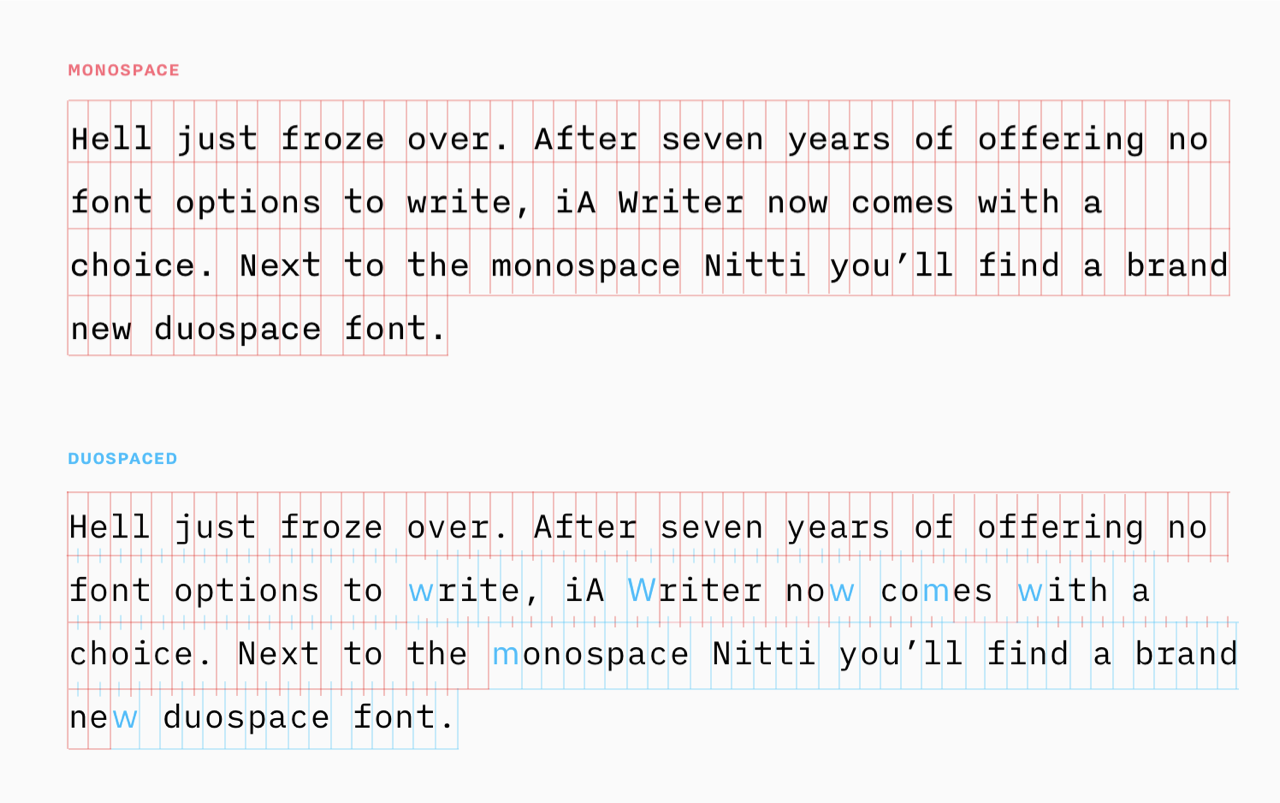
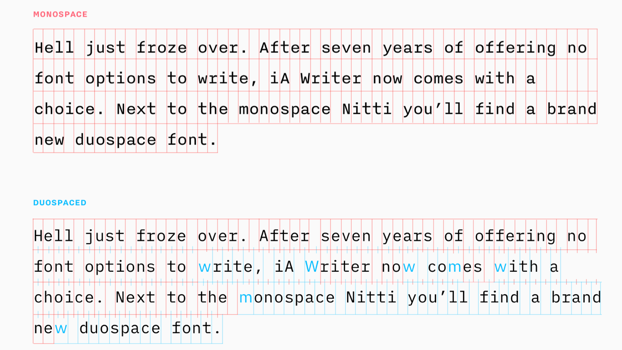
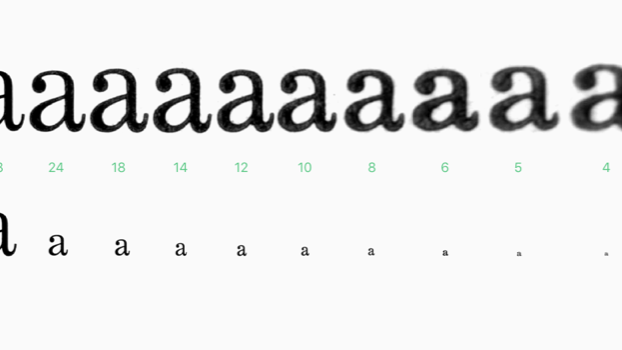
We optimized typography to read well at any size.
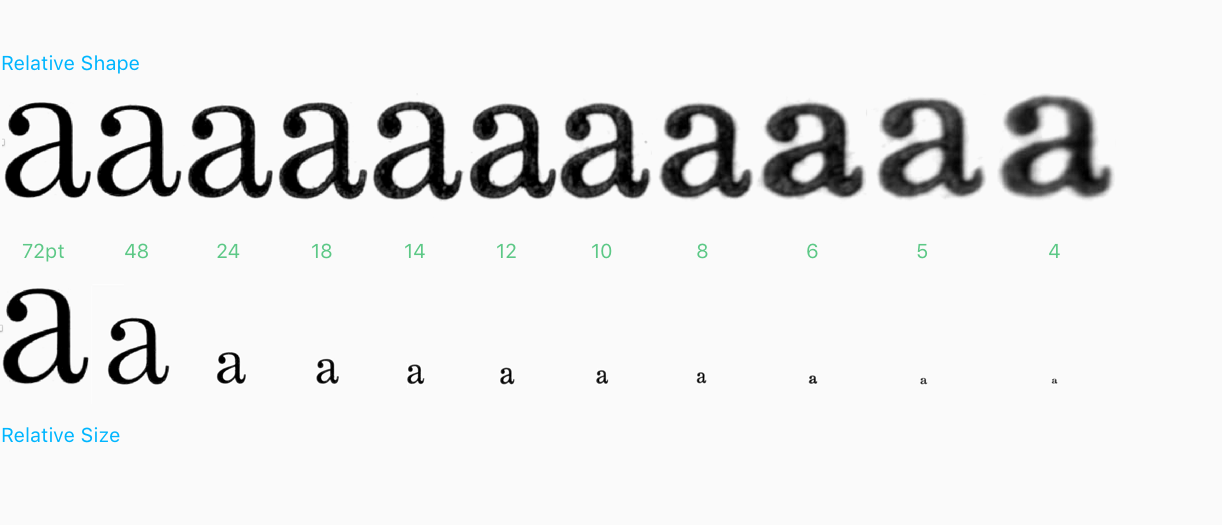
We didn't invent any of that, we just translated it onto the screen and made it work in one consistent package.
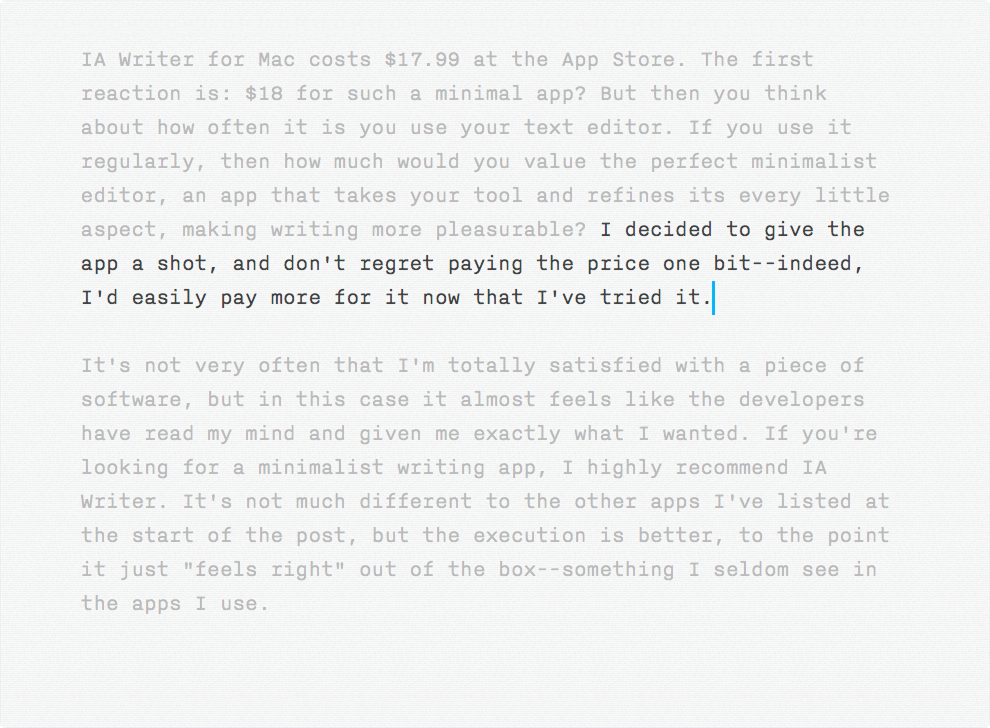
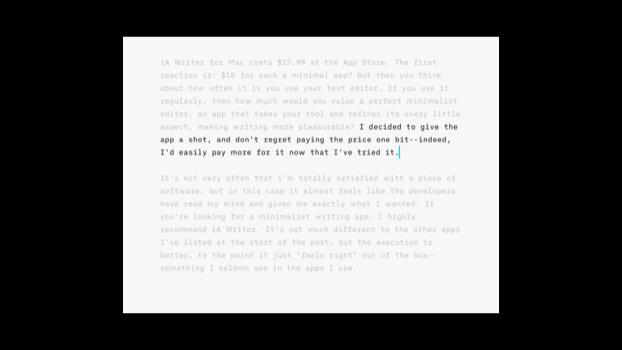
iA Writer in 2011: In reality, when we write, being able to discern the words we type is all we need and not only does it suffice to just have words, it is more pleasant and focused to write with just words.
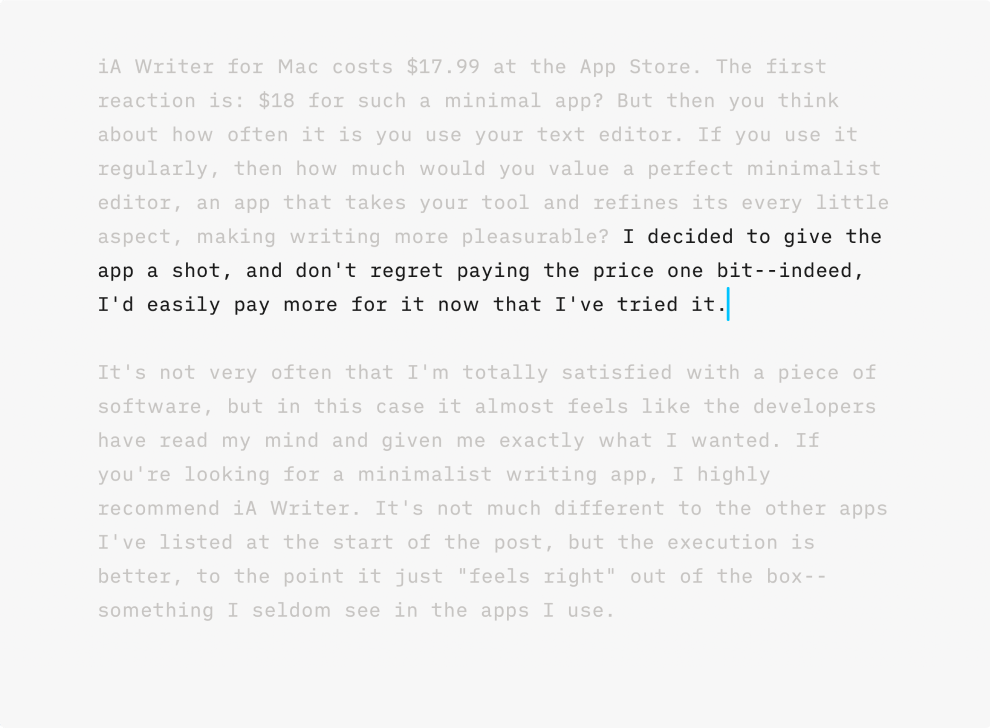
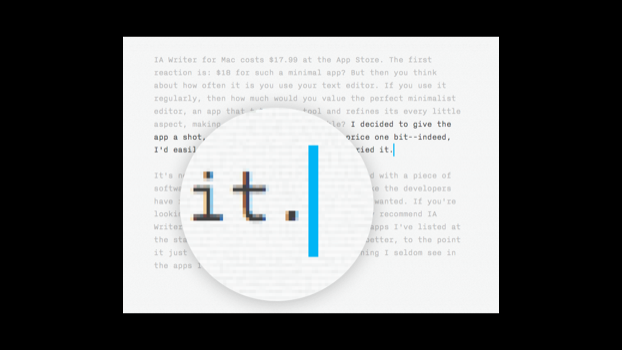
As you can see, 15 years later, iA Writer in 2026 looks almost exactly the same. To see the differences you need to zoom in.
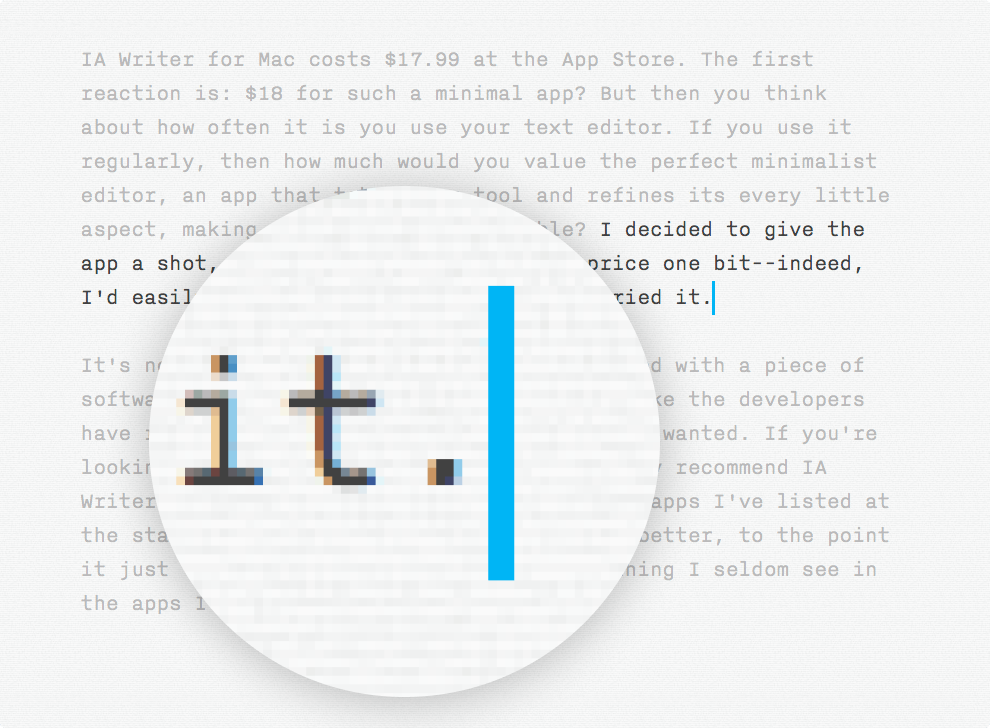
The difference is mostly technical. Screens have higher resolutions.
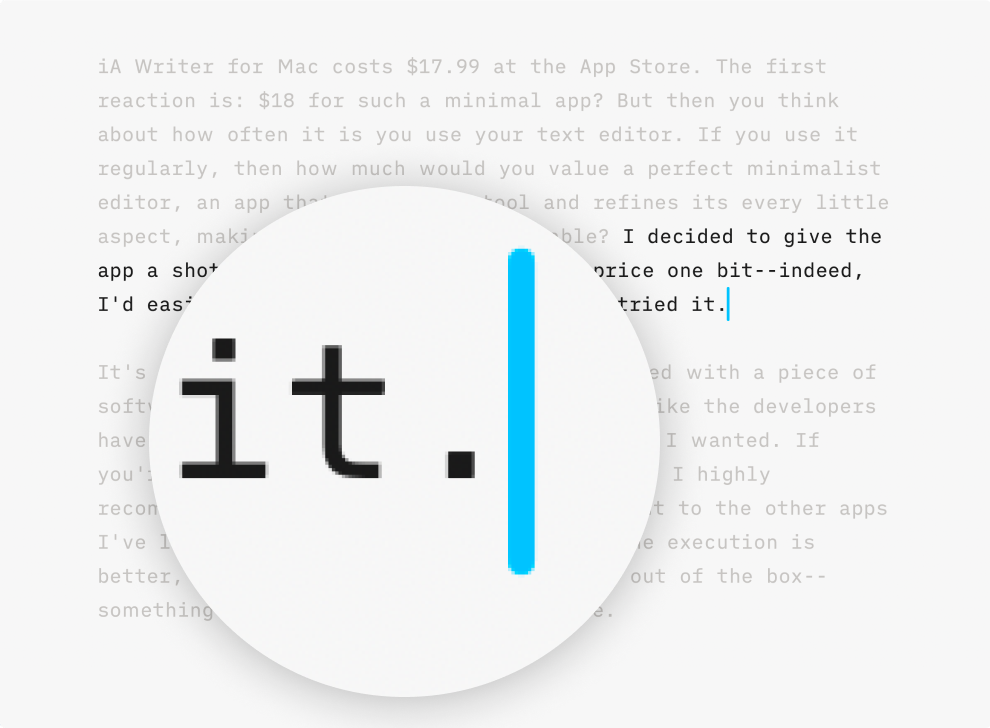
And apple changed the shape of the caret.
Betting on markdown was a wonderful decision. At the time, markdown was still an insider thing.
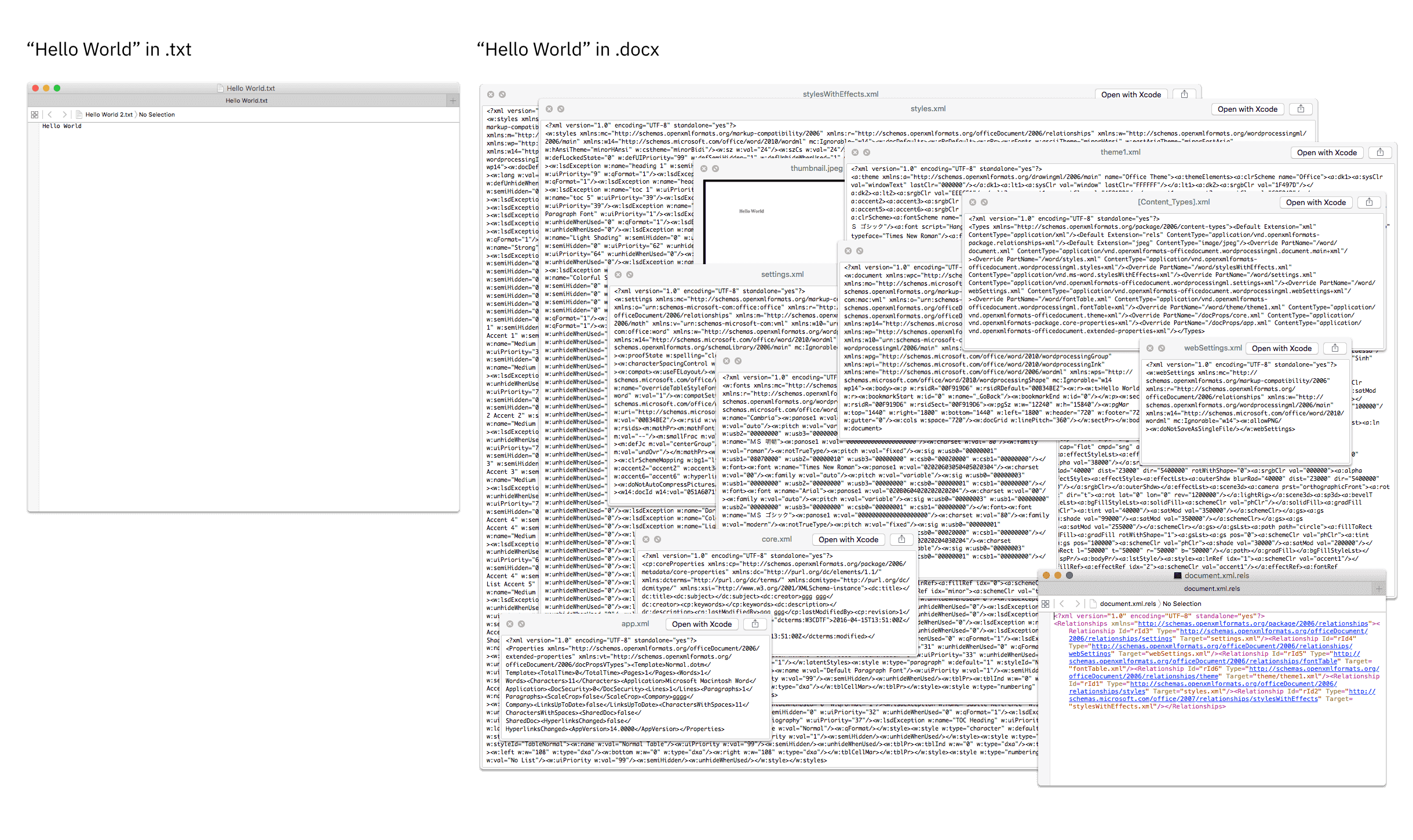
The benefit of using plain text with a markup language was strikingly obvious. Plain text lighter, faster, more compatible, and future-proof.
And funny enough, compared to the chaos created below the surface in Microsoft Words horror format, with you truly see what you get.
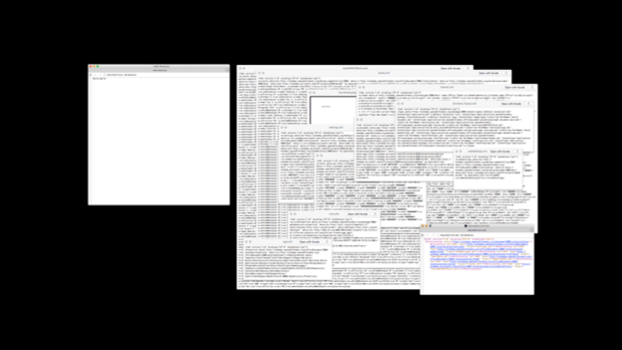
In this screen you see the amount of data created when we write "Hello world". iA Writer on the left has two words and some encoding data, MS Word on the right creates a Disneyland of junk data to save the same information. It's not a miracle that Word eventually breaks.
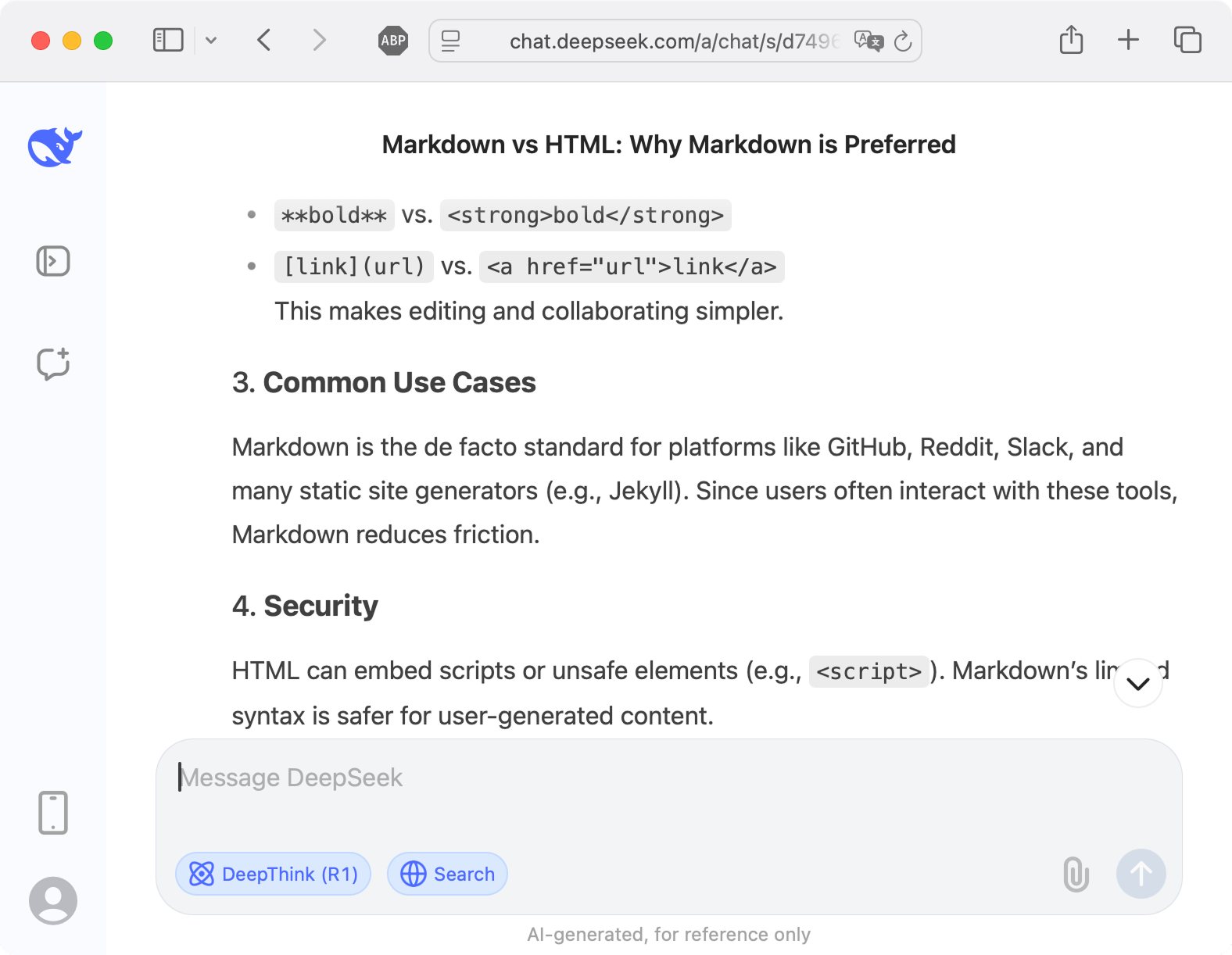
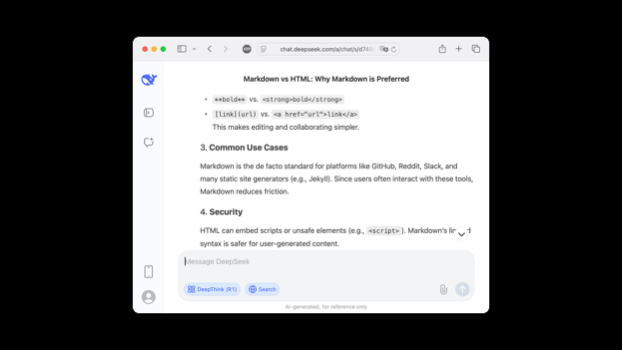
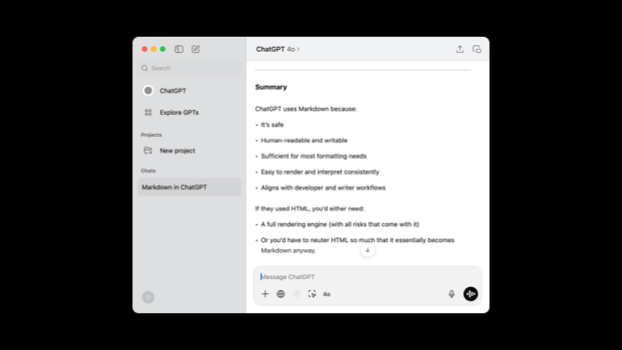
AI also loves Markdown. All major AI players use AI to structure and communicate with the core engine.
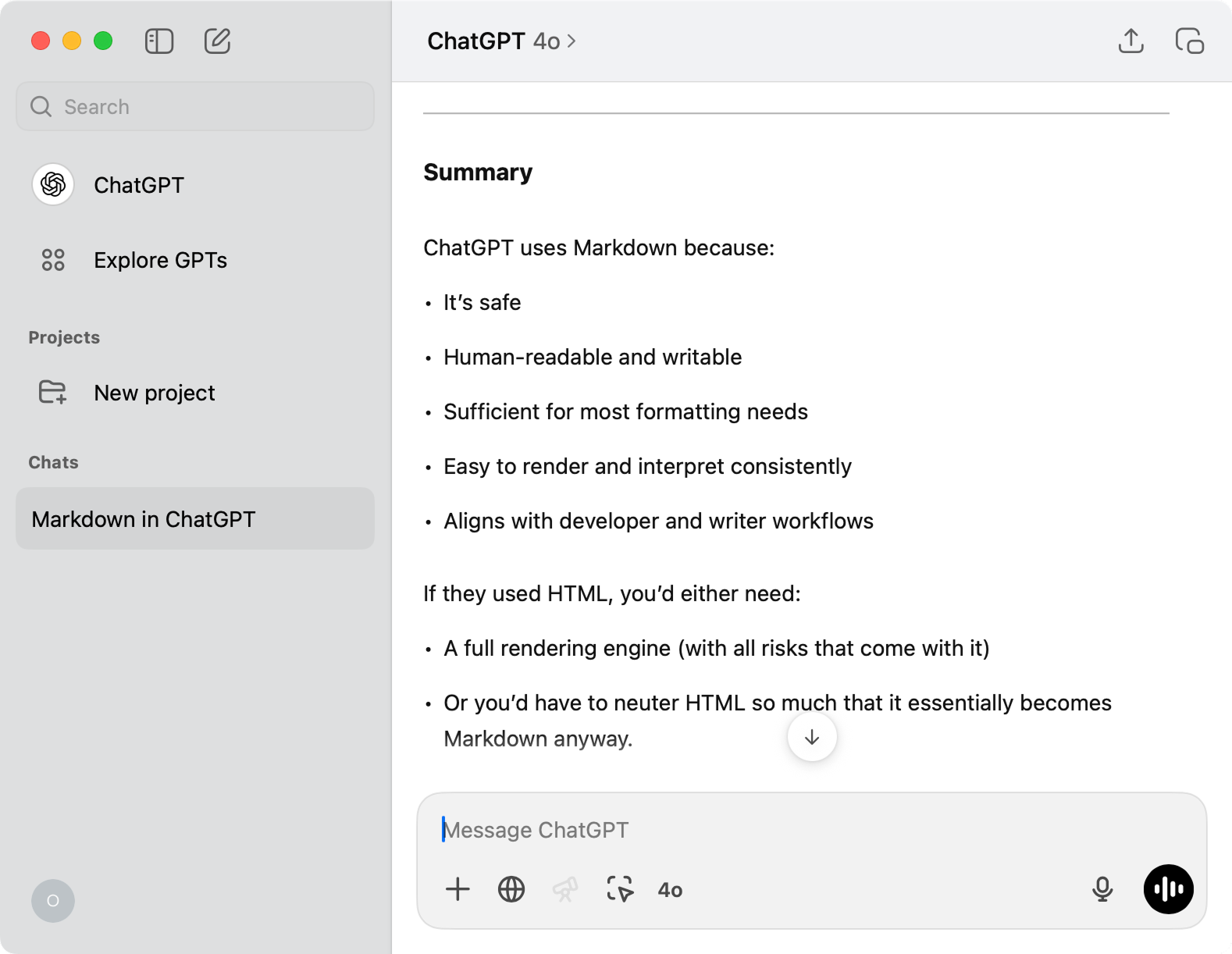
When ChatGPT came out, our internal directive was not "Let's also integrate ChatGPT as fast as possible and pretend we invented it. Our guideline was: "Imagine not just your app with ChatGPT like everybody else does, but what happens when everyone uses AI... What does I Writer need to do then?"
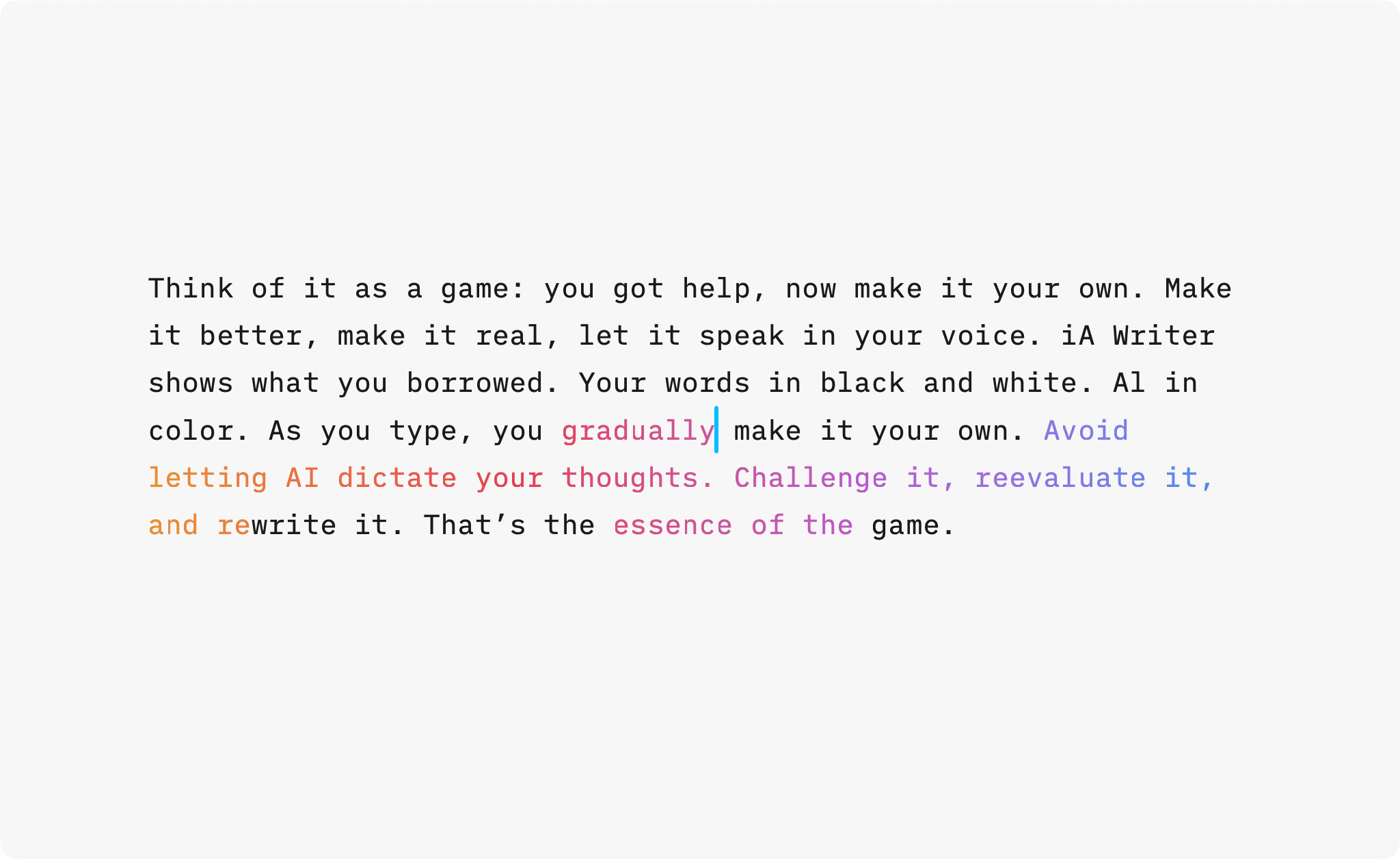
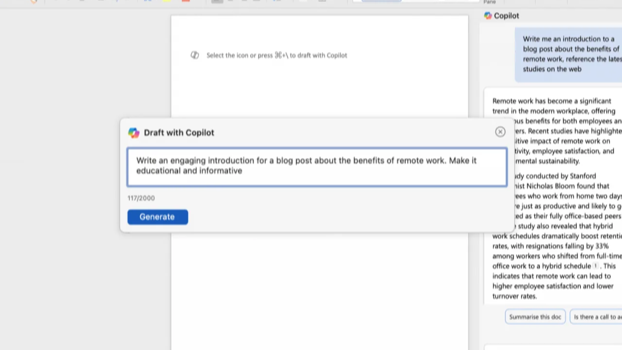
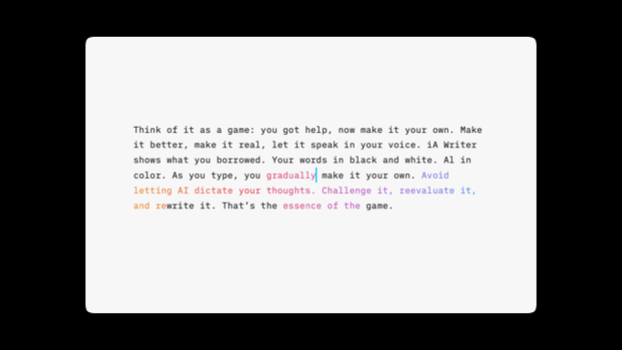
What we need is not another app with another version of Copilot. We need something that helps us discern what we wrote and what we generated.
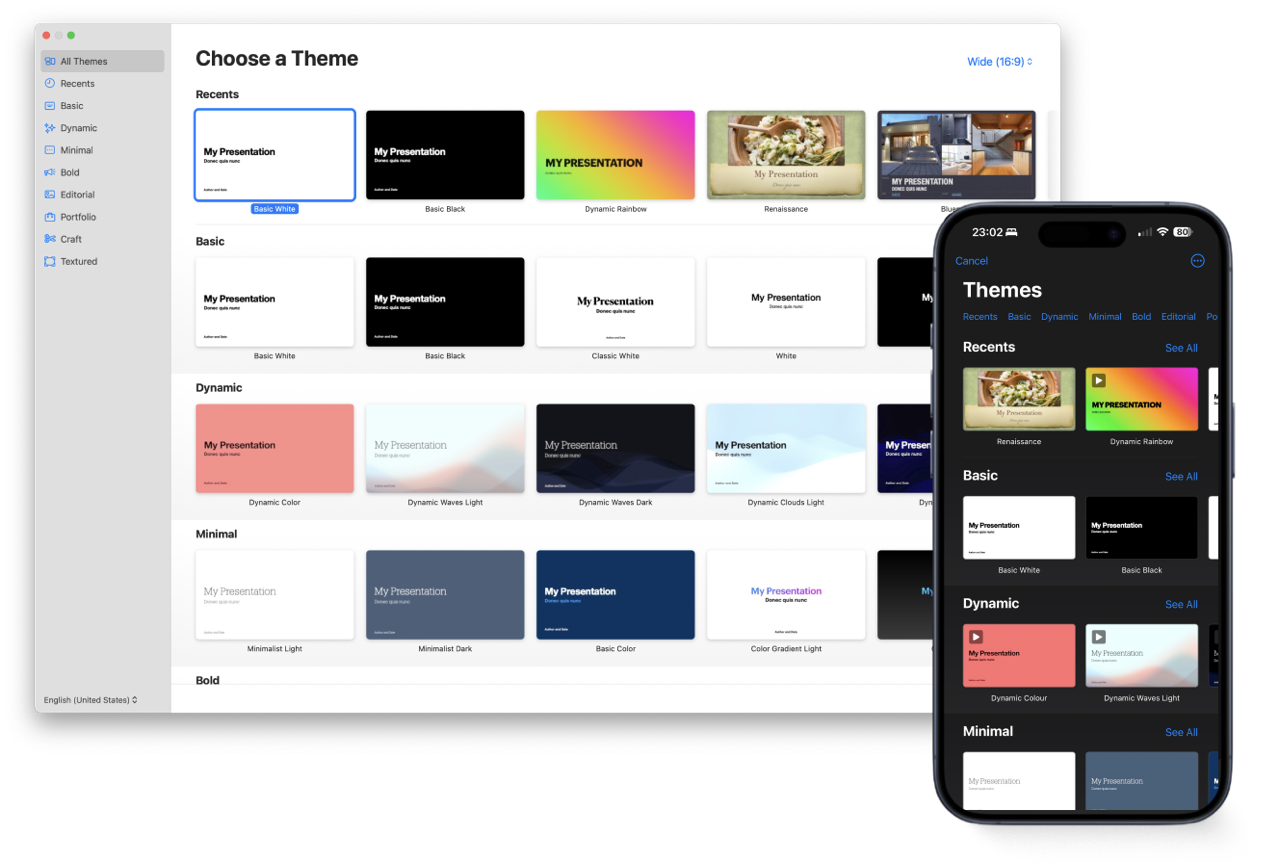
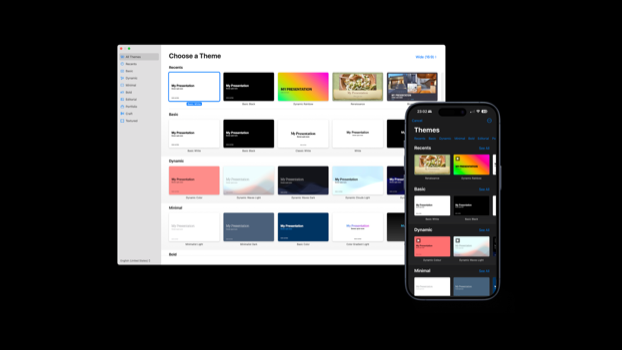
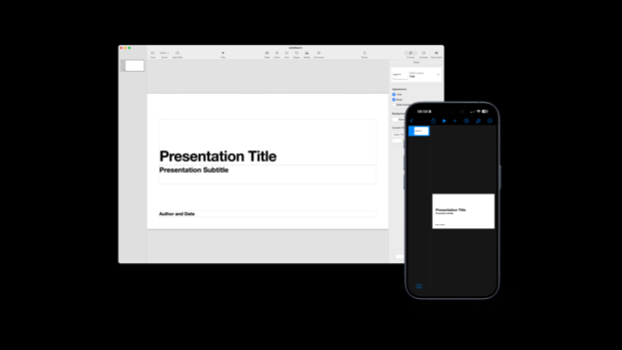
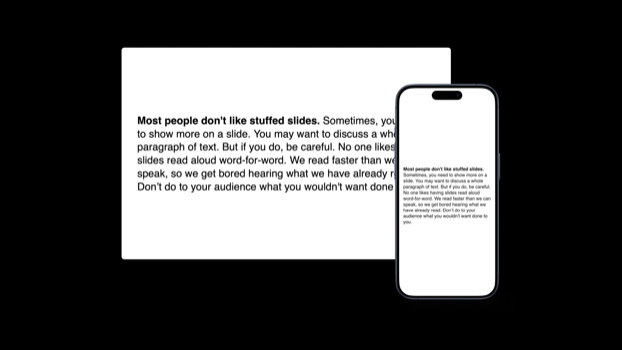
This is Keynote today. Current presentation apps are desktop only. Mobile desktop apps are unuseable. The start all with design.
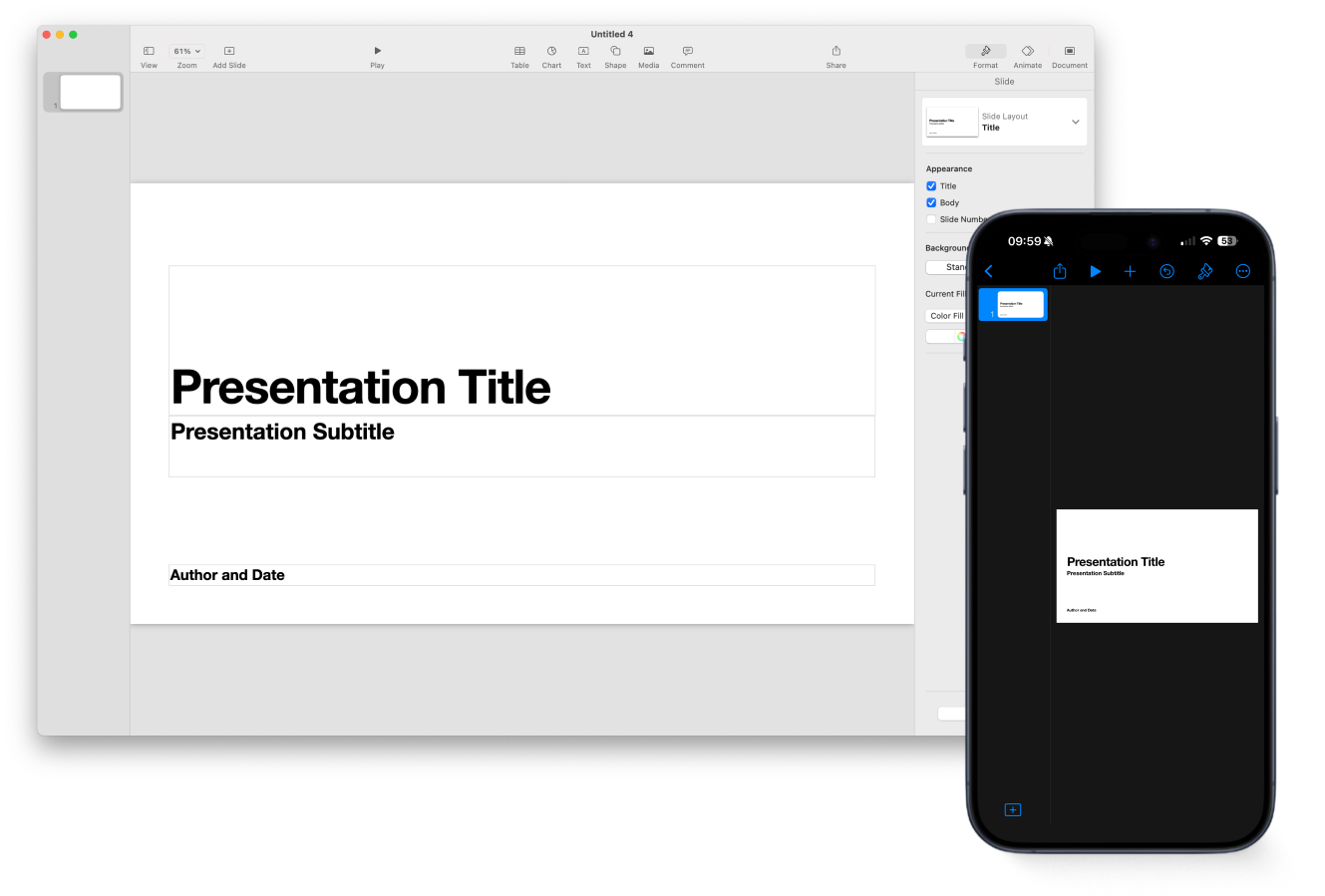
Experienced people use no design templates that help them thinking about what to say before illustrating their slides.
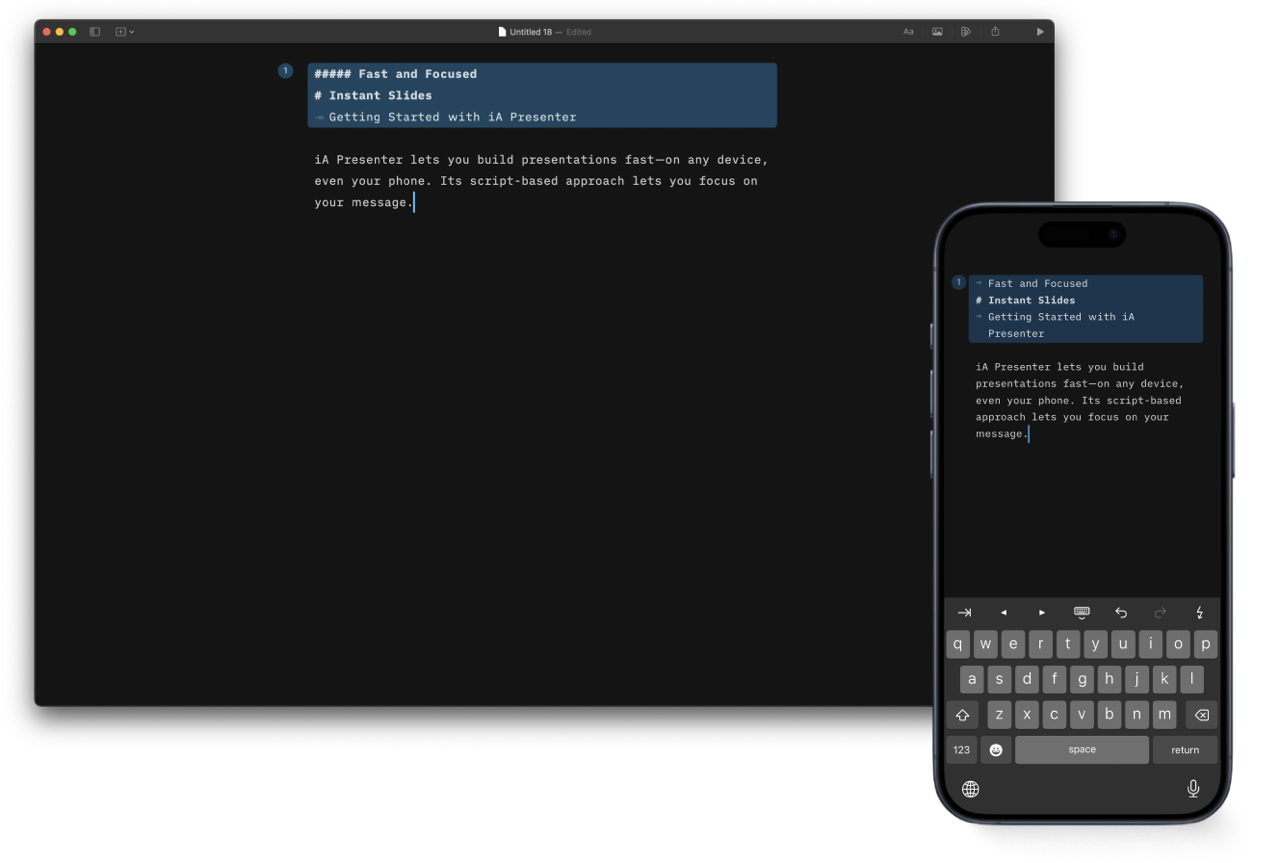
What if we started with the story?
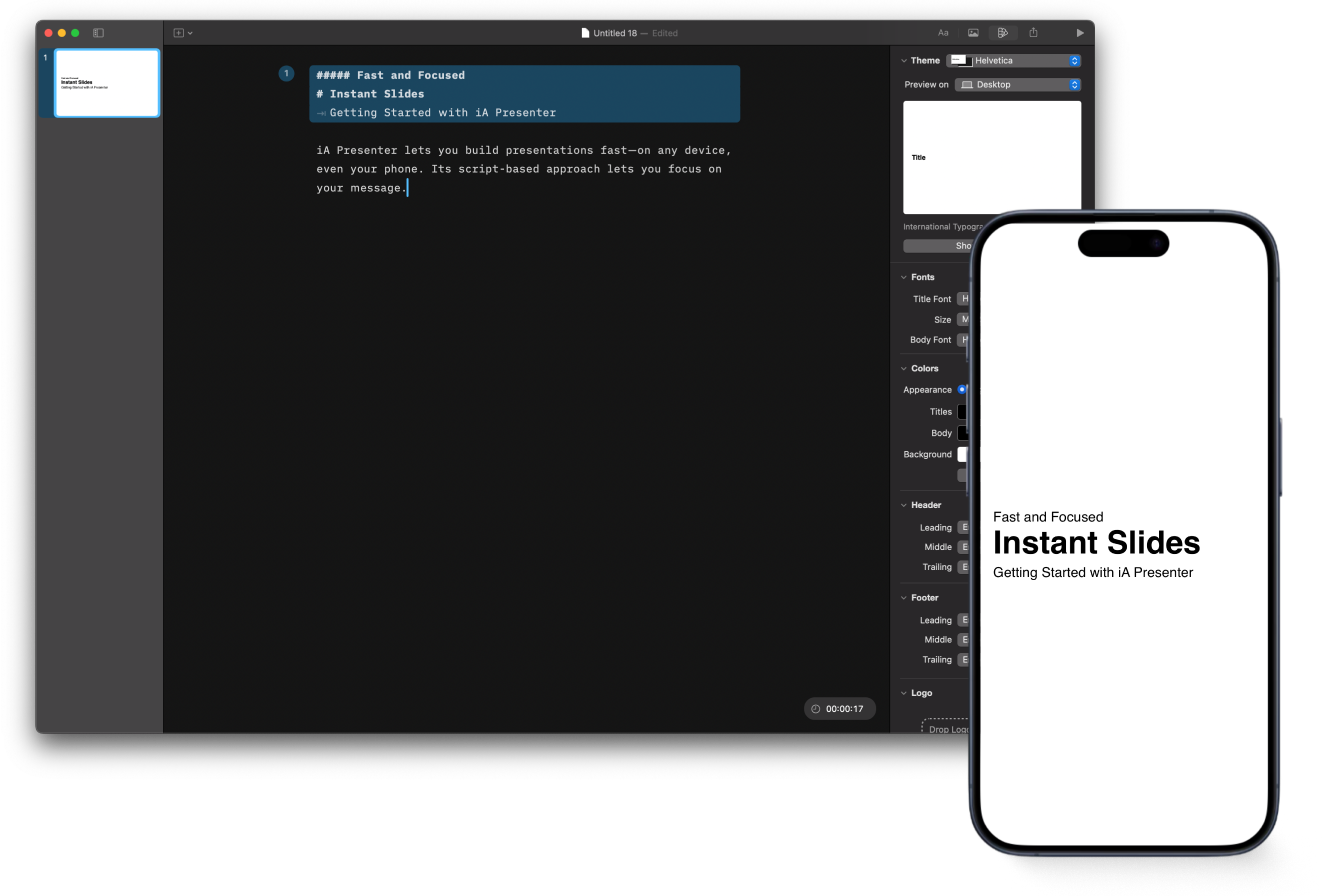
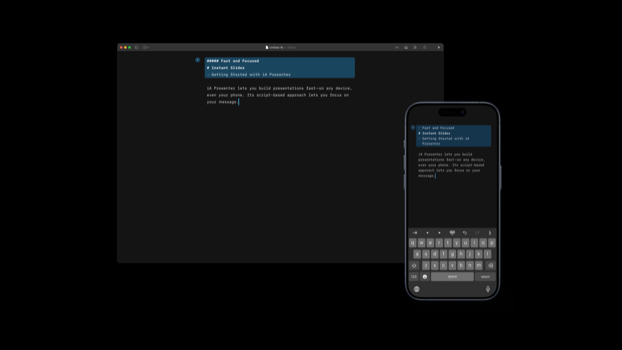
What if we tried to design a presentation app that works equally well on the phone and on the desktop?
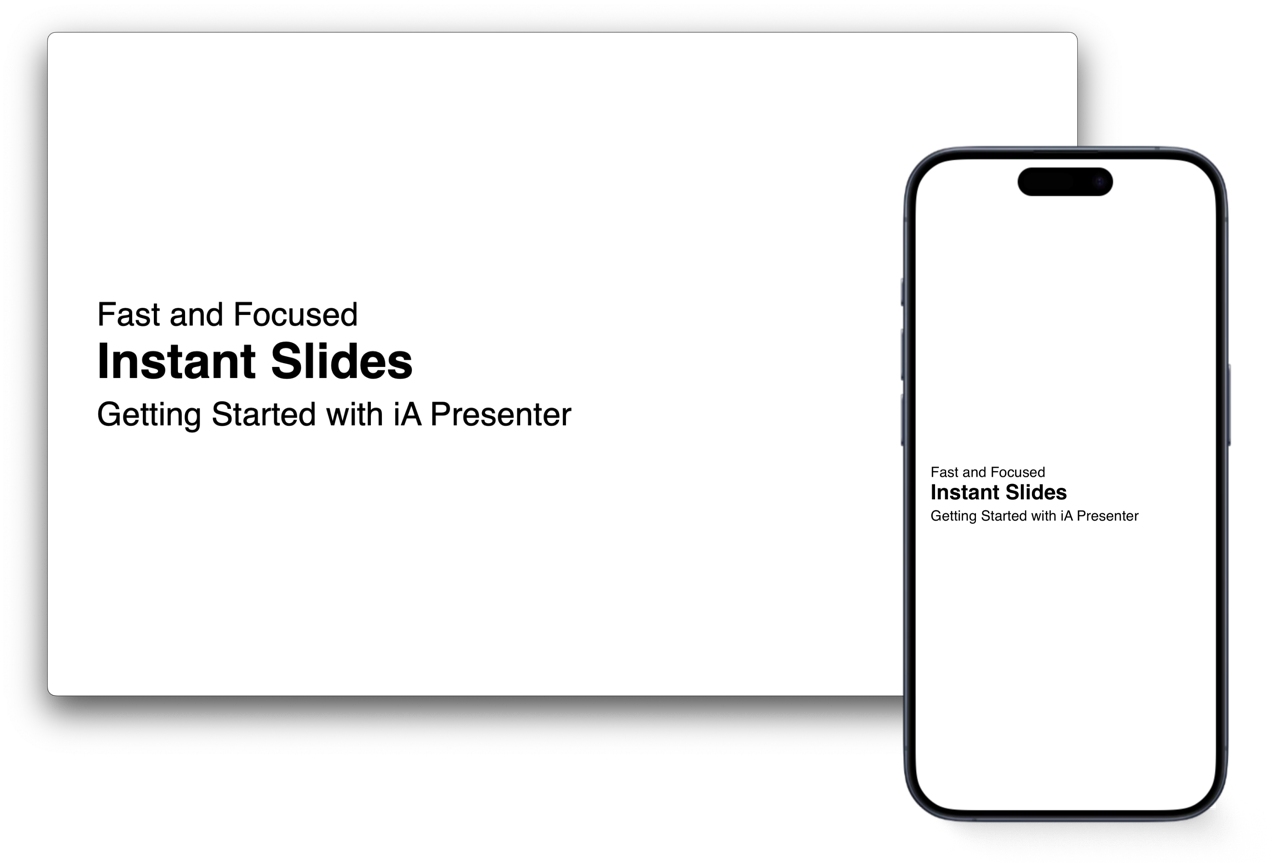
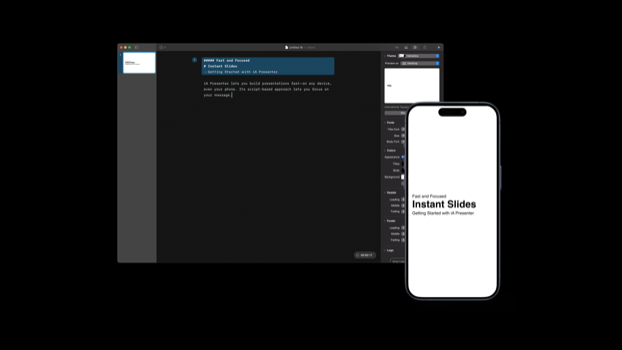
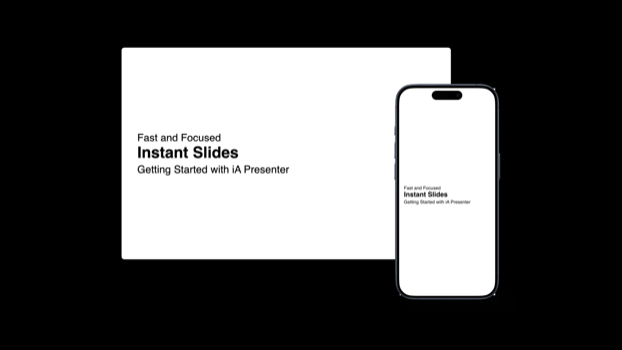
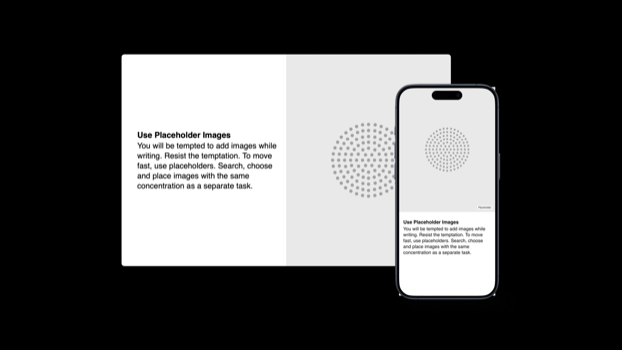
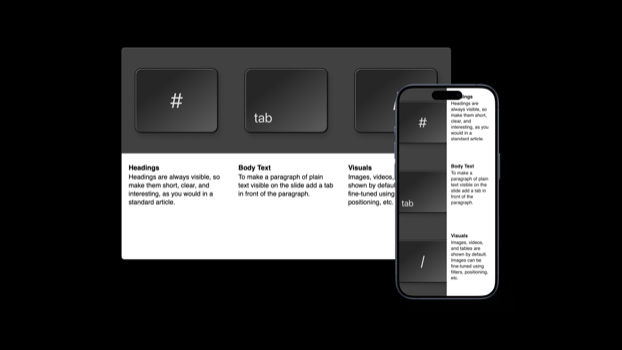
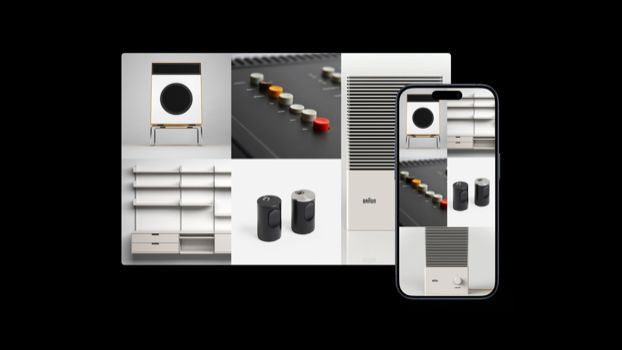
We need responsive slides.
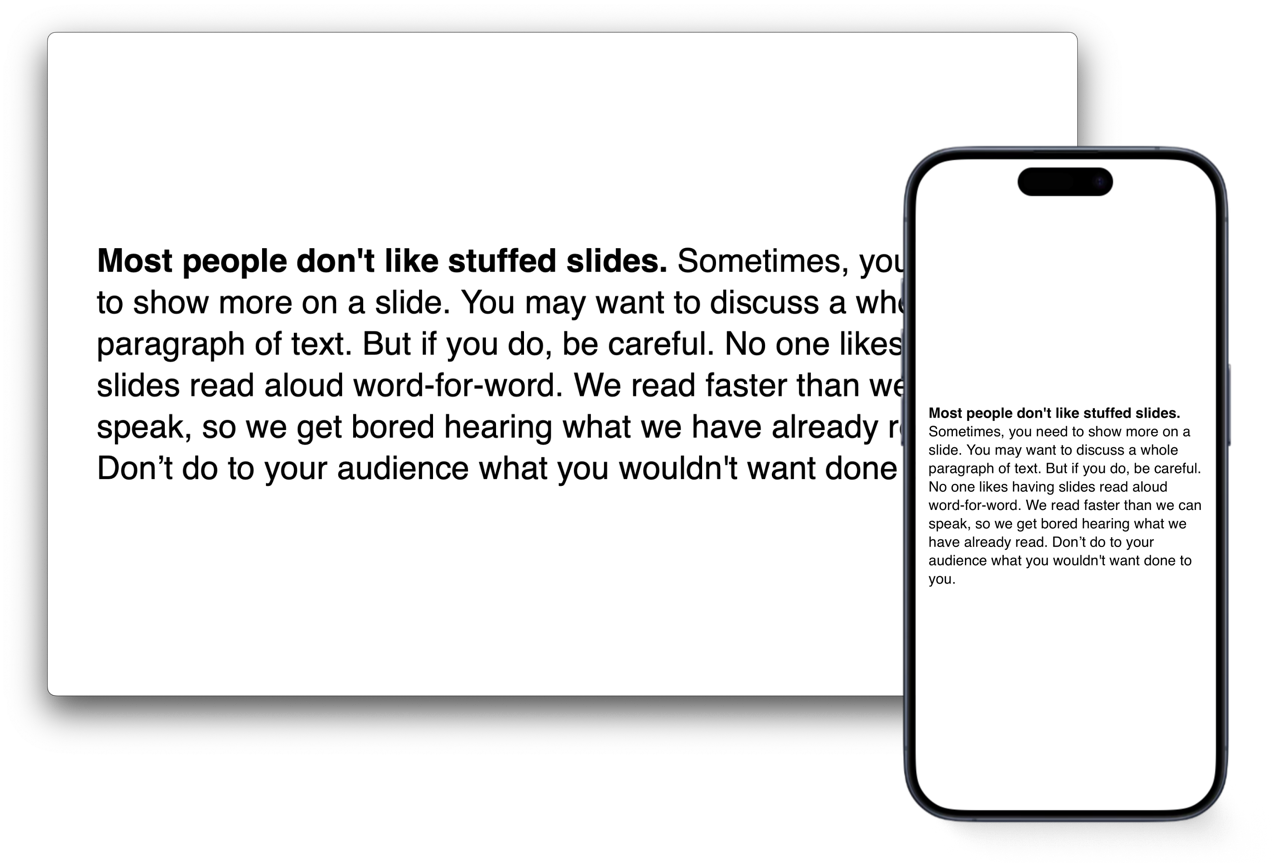
We need to adapt what we know from responsive web design to a static slide.
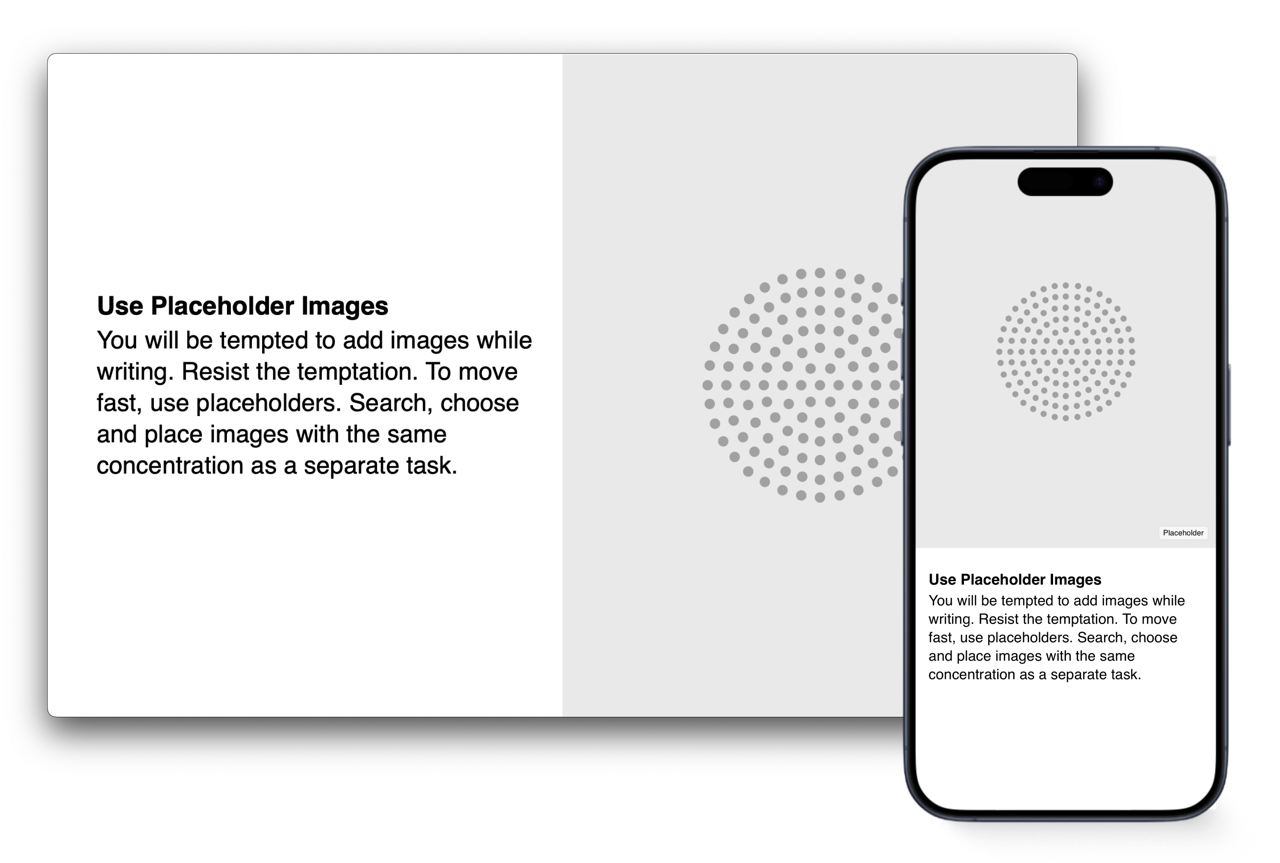
We need to limit the amount of layouts so people focus on what matters.
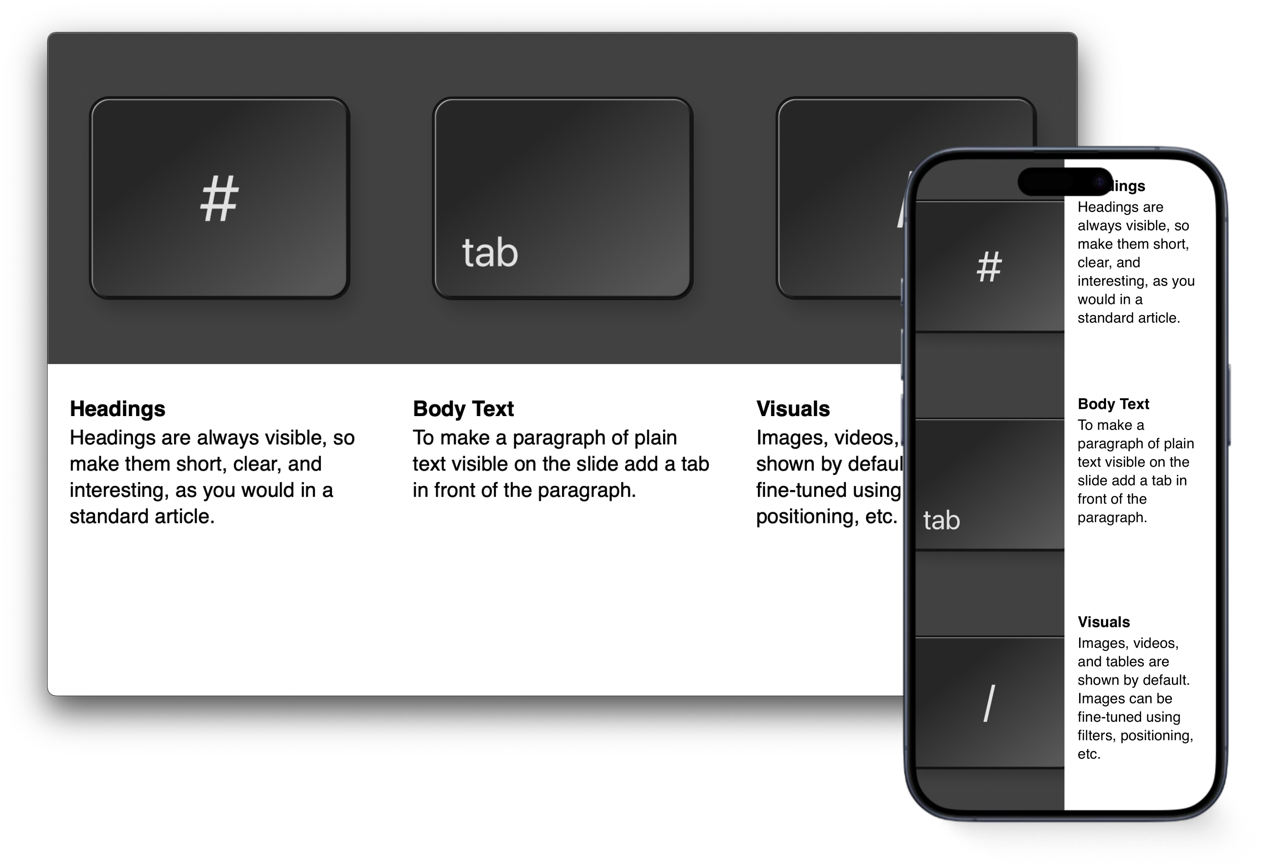
We need to take care of the design so people can focus on the message.
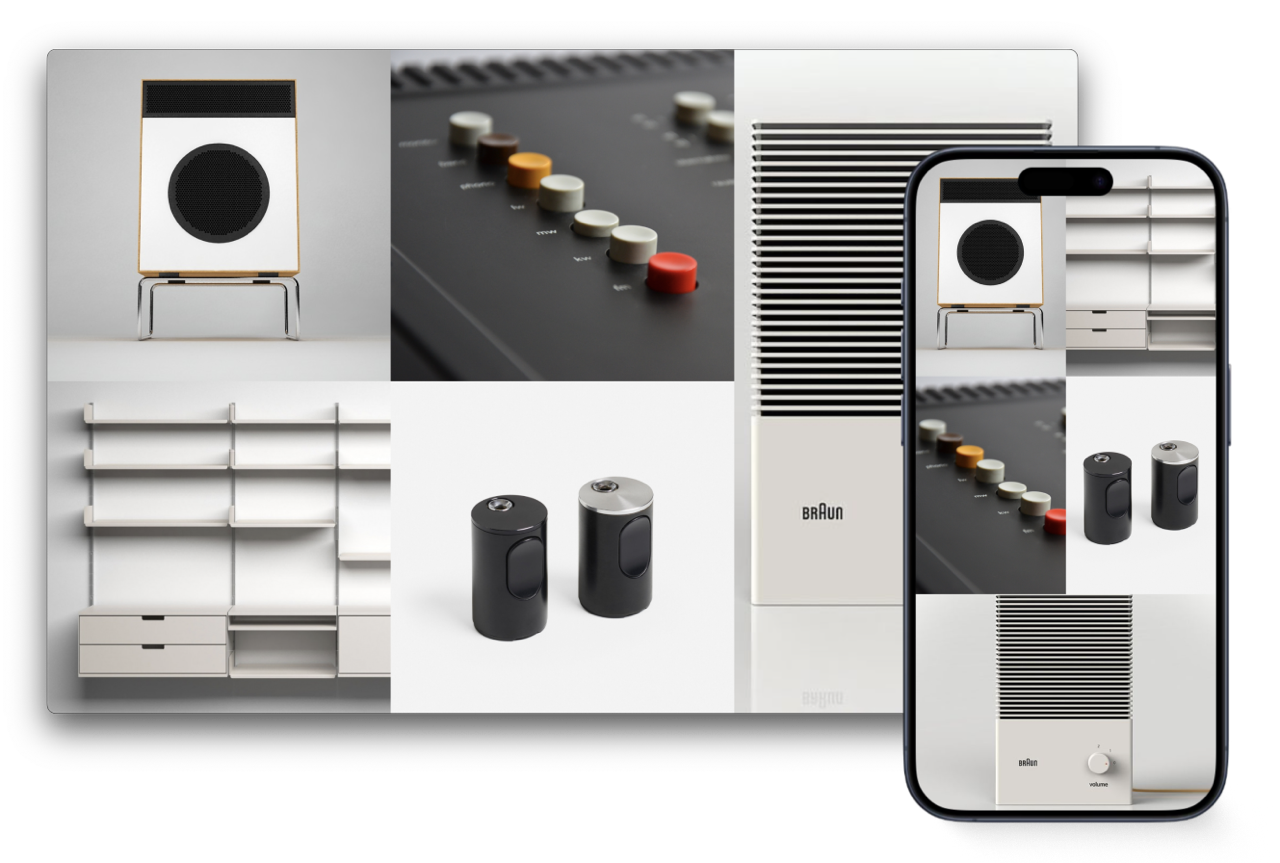
There is a natural limit to complexity in slides. In theory this serves us, but in practice it will take a long time until users change their mental model from "presentations are something we design" to "presentations are something we communicate through"
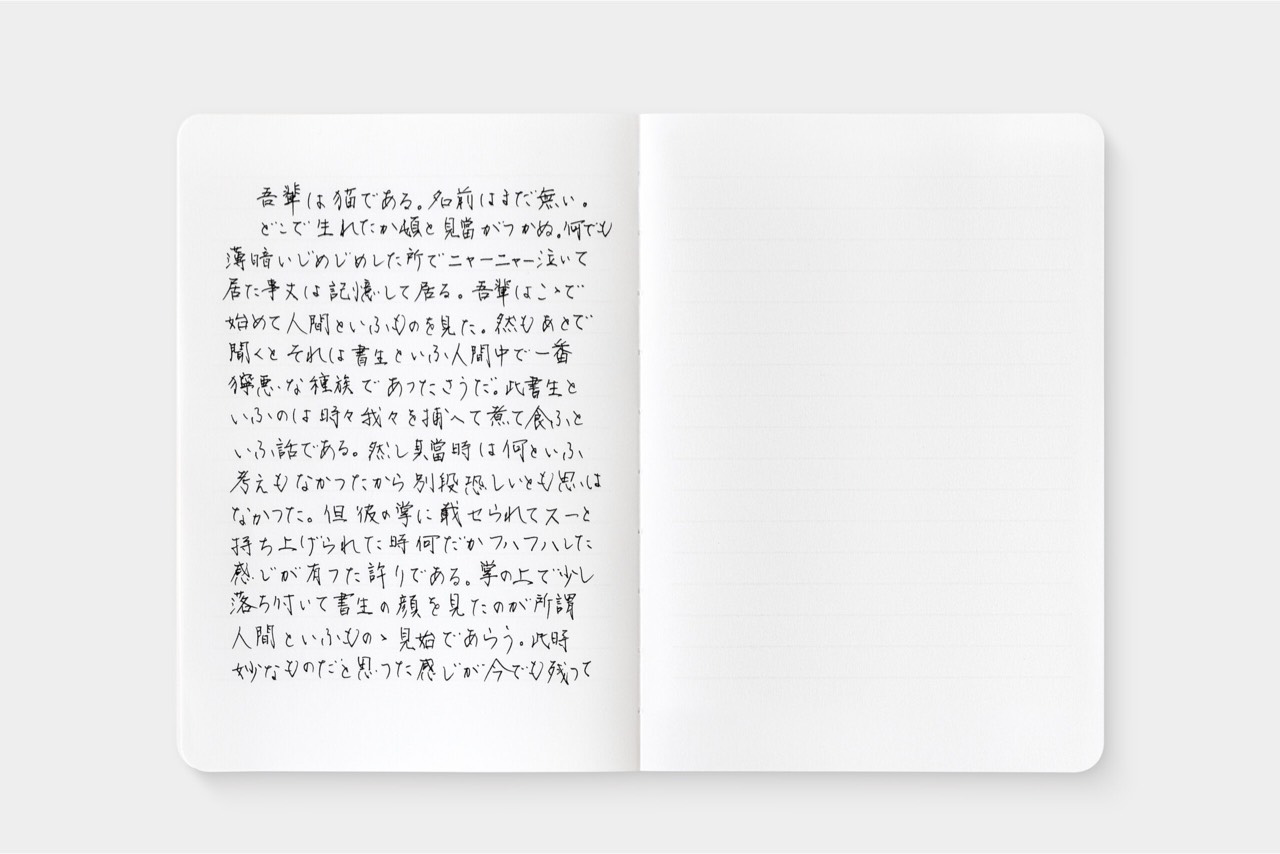
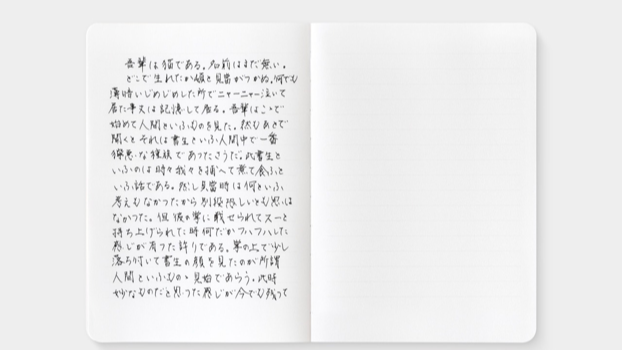
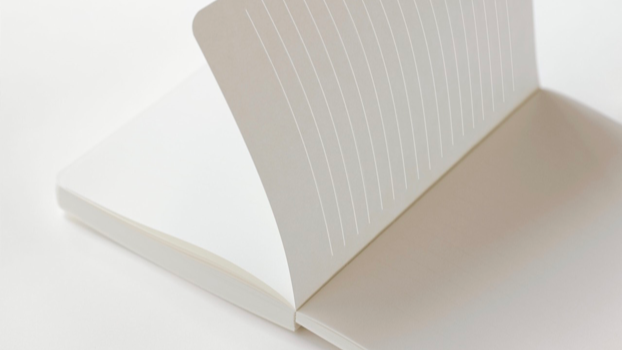
Common notebooks are either lined or unlined.
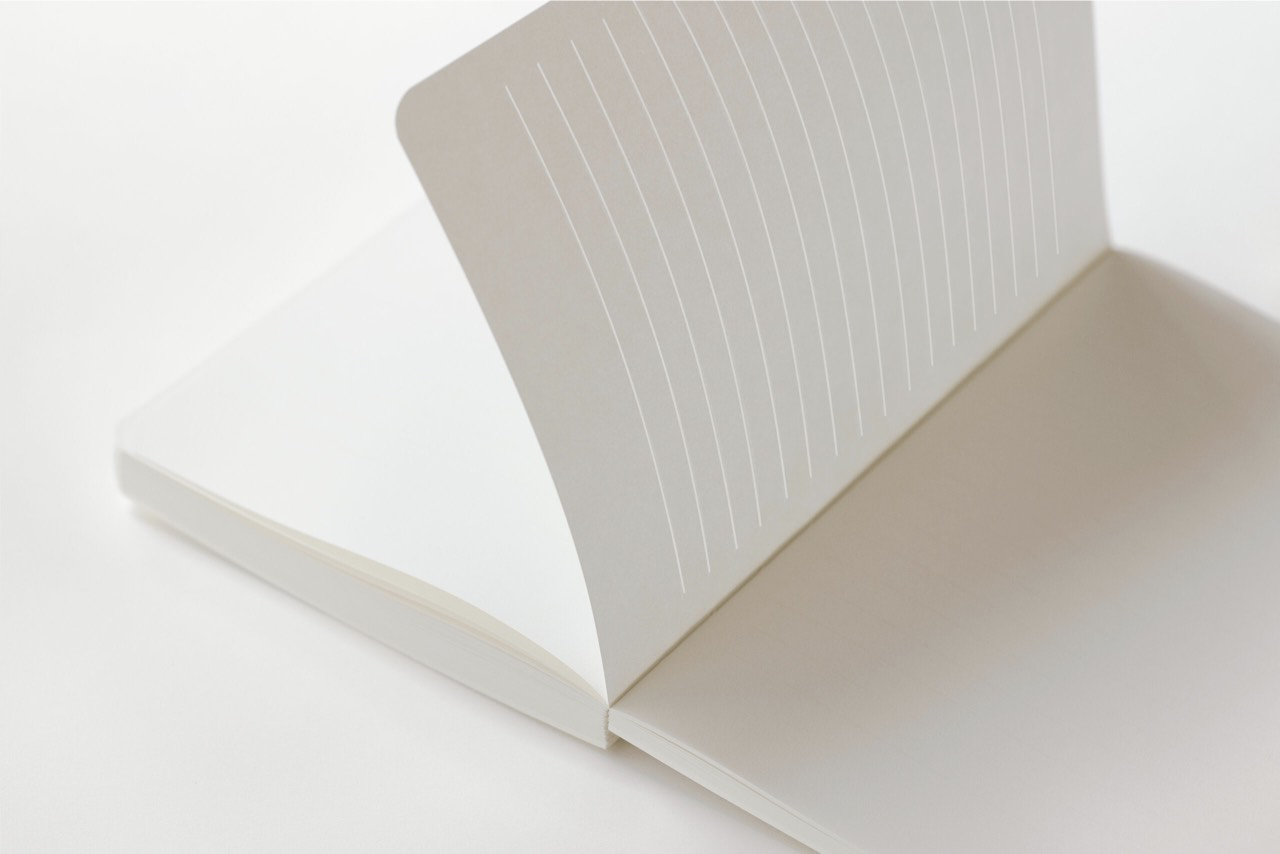
Could we have both? What if we used watermarks not for decoration but as a design element?
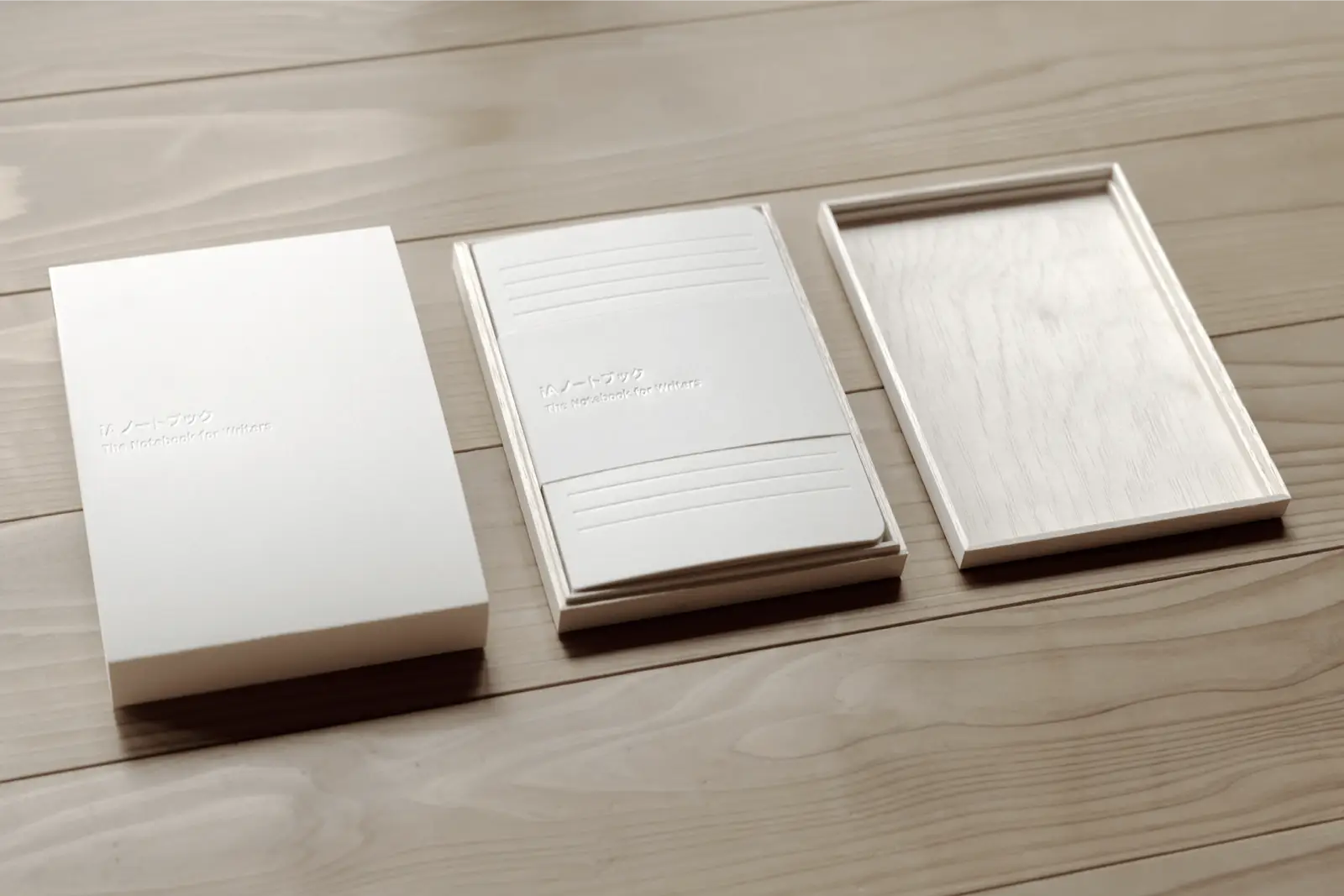
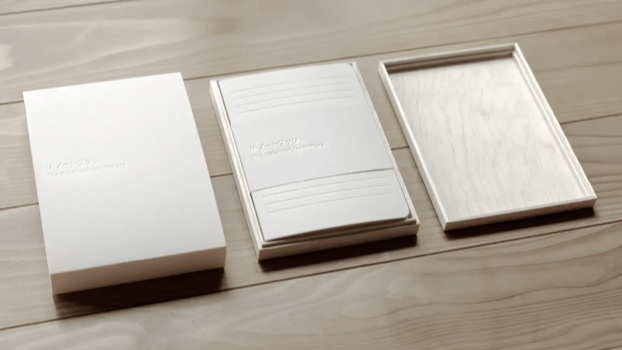
We thought of the notebook as a beautiful present. From the ten years we invested in the design, one year went into the packaging.
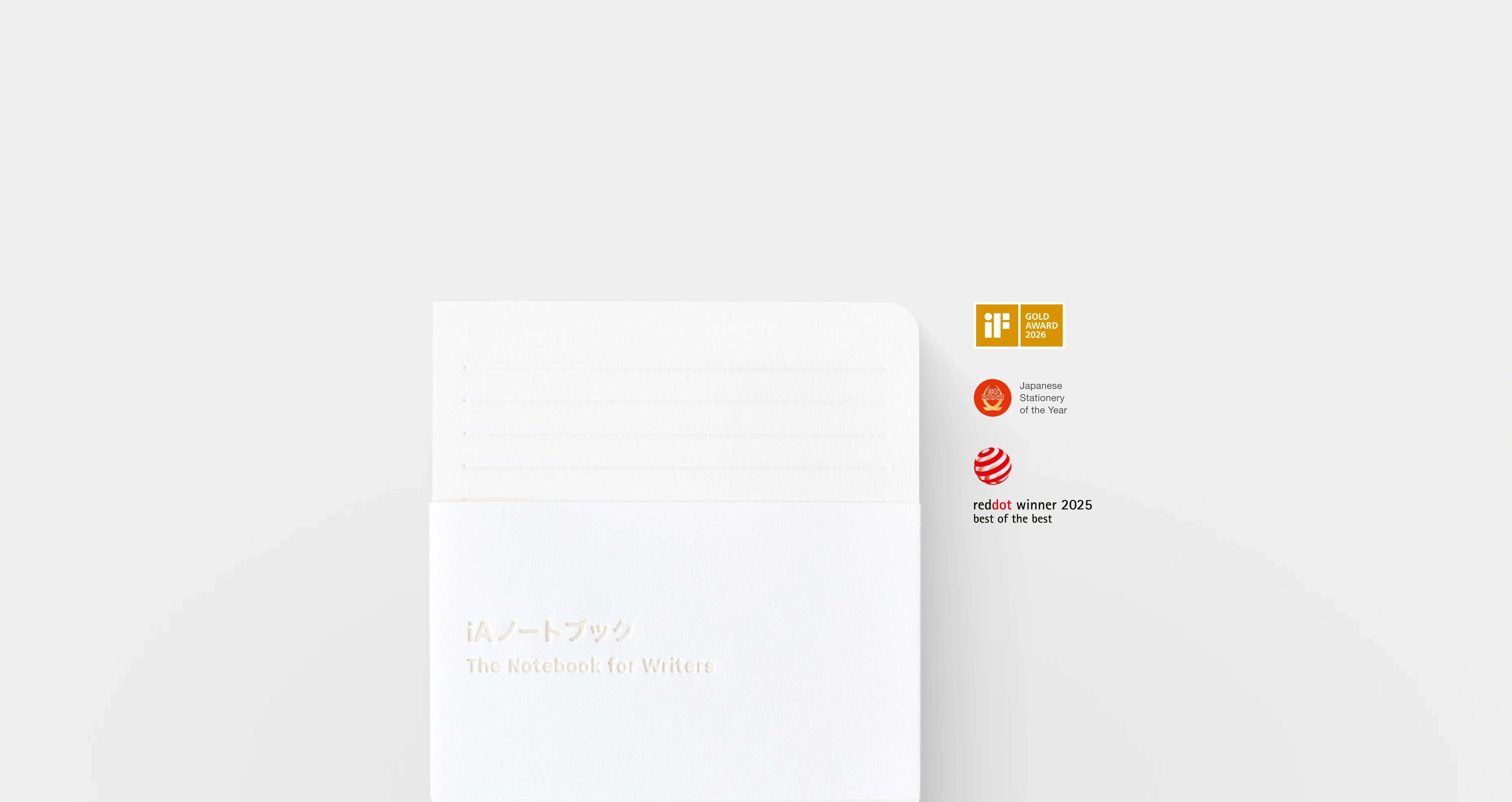
We designed iA Notebook under the premise that we don't care about the economics. We wanted to see how far we can go only focusing of form and function.
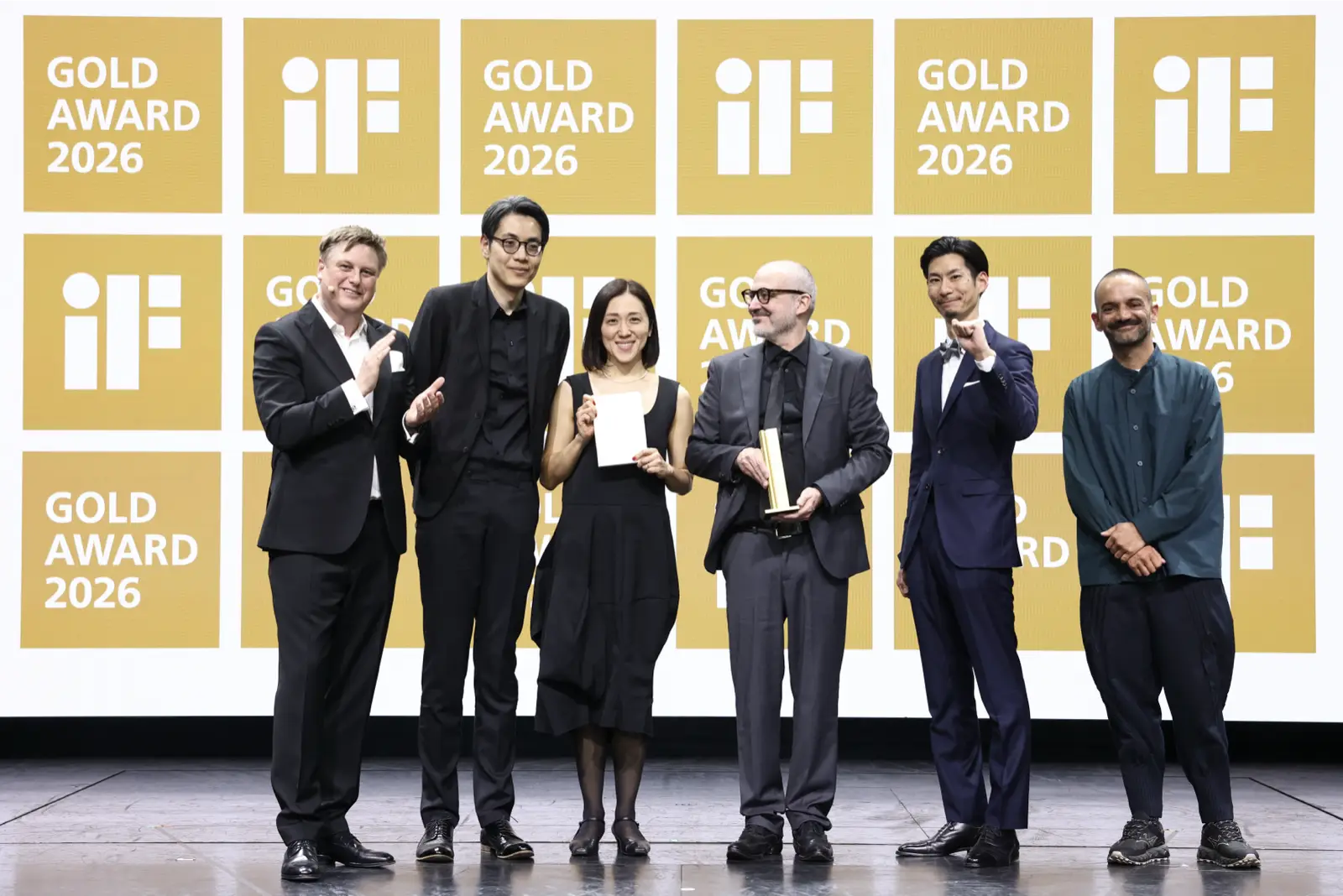
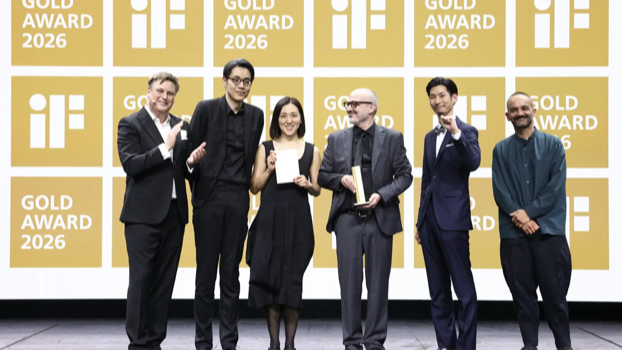
It turns out that doing this can make you win prices, but good design is not just aesthetic, functional and environmentally friendly, it's also economical.
The future version will be designed with everything we learned about production, storage, distribution, marketing and sales of physical goods.
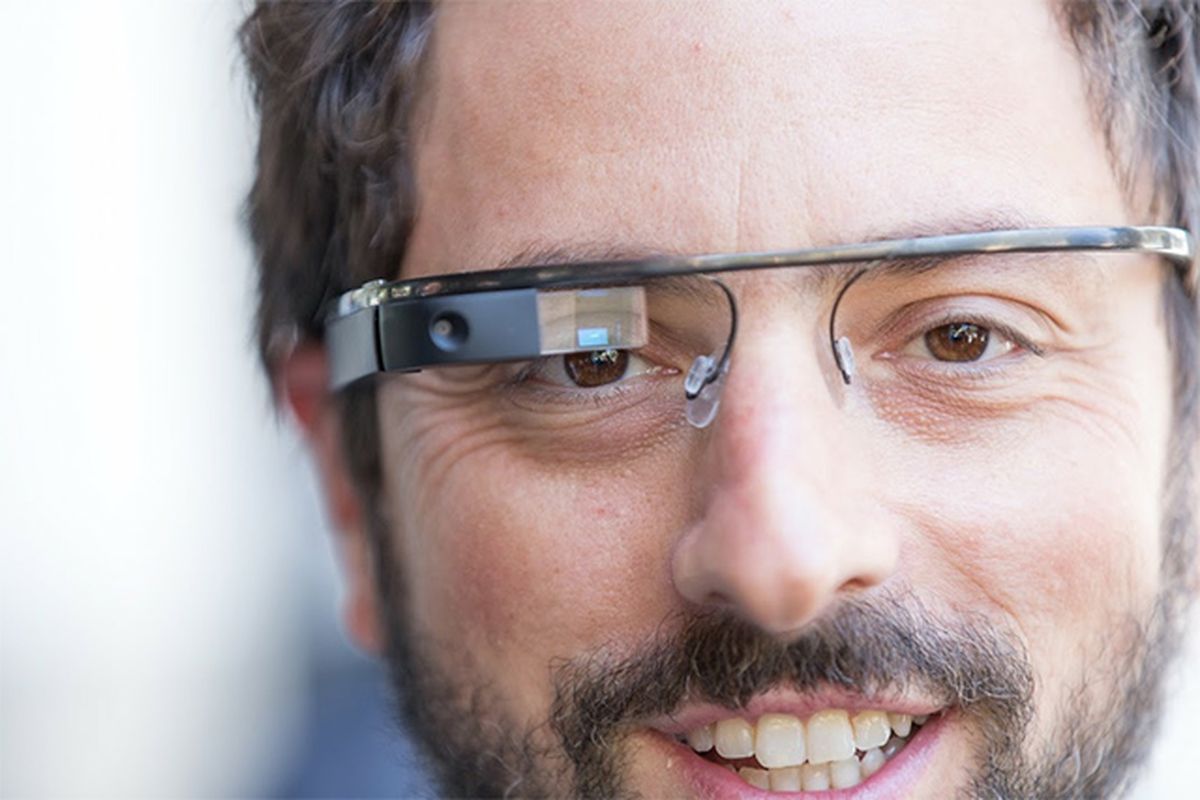
Build creepy things if you business is built on mass surveillance doesn't take much imagination. Imagination does not begin with "How can I make more money? Or what would be really cool for me?"
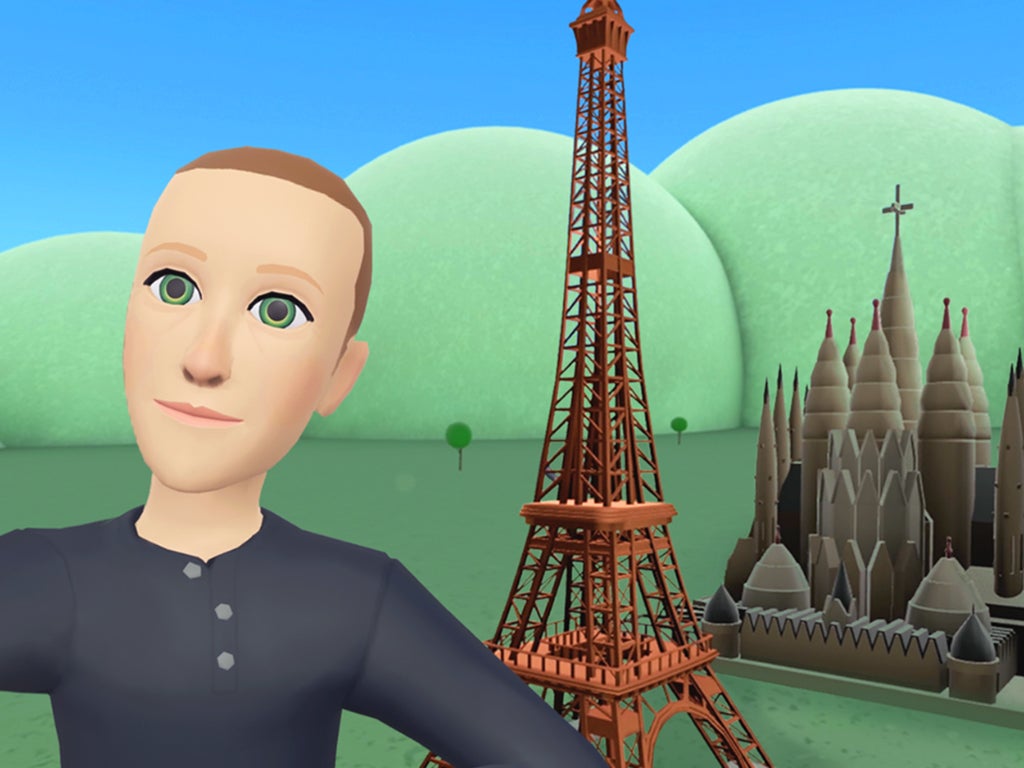
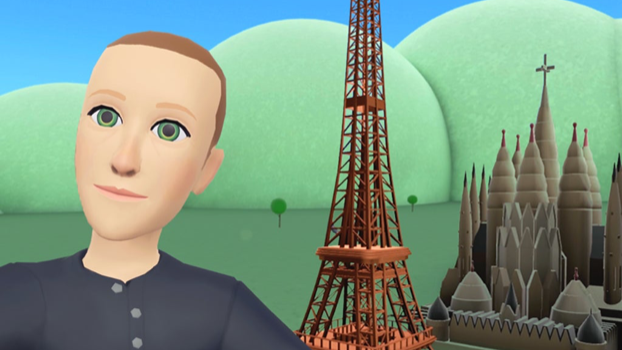
Metaverse was a rehash of second life thought up by someone that famously lacks imagination. No-one wanted it. Intelligent imagination thinks about products from the point of view of those who will use it.
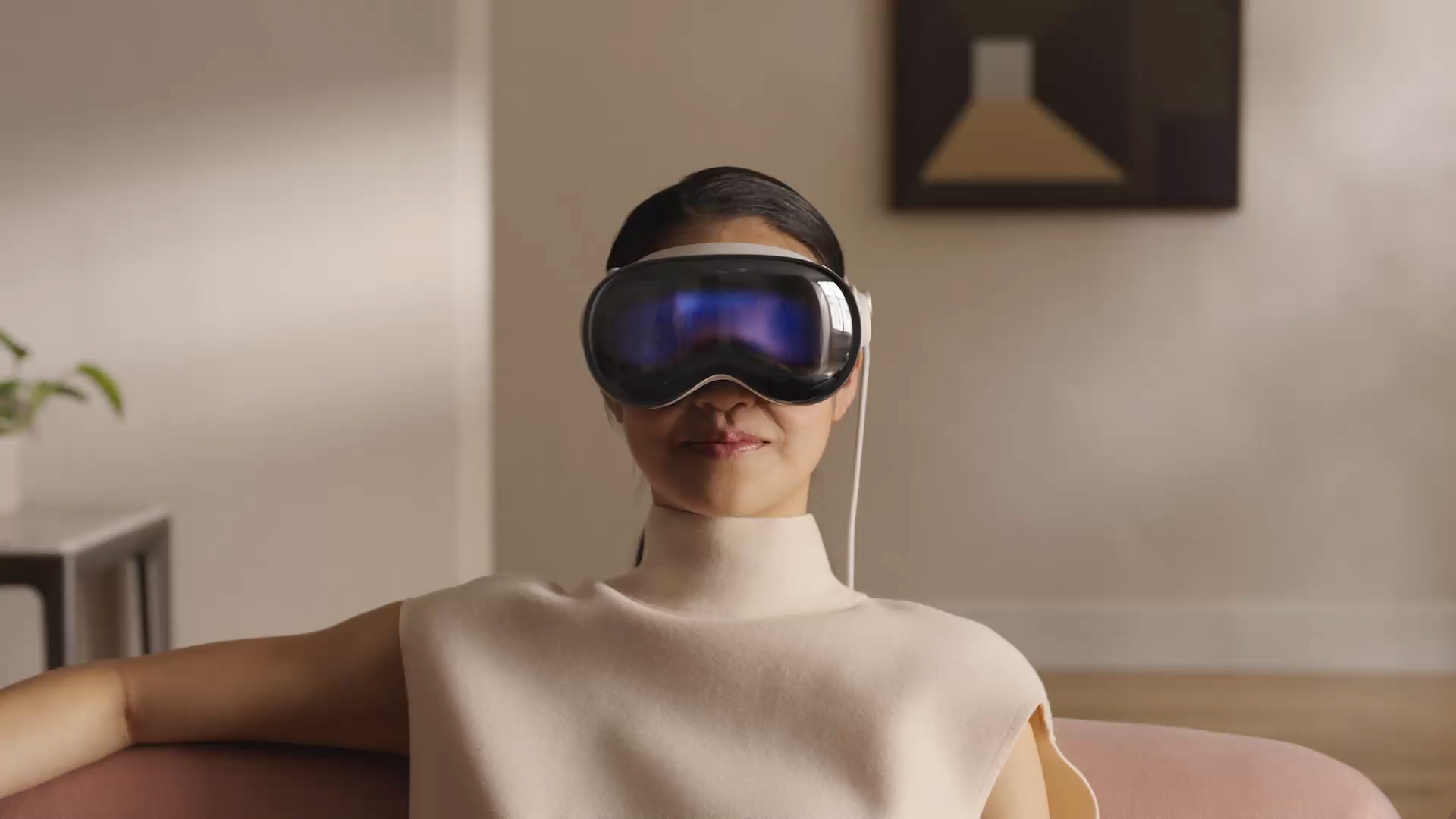
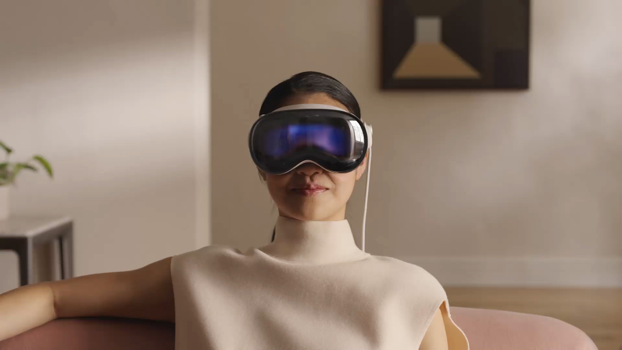
Apple confirmed that they had completely run out of ideas, when they copied what no one ever wanted from the most unimaginative company in the word.
An idea without execution is an empty promise. Excellent execution of bad ideas is a highly sophisticated insult to the intelligence of those you address with your product.
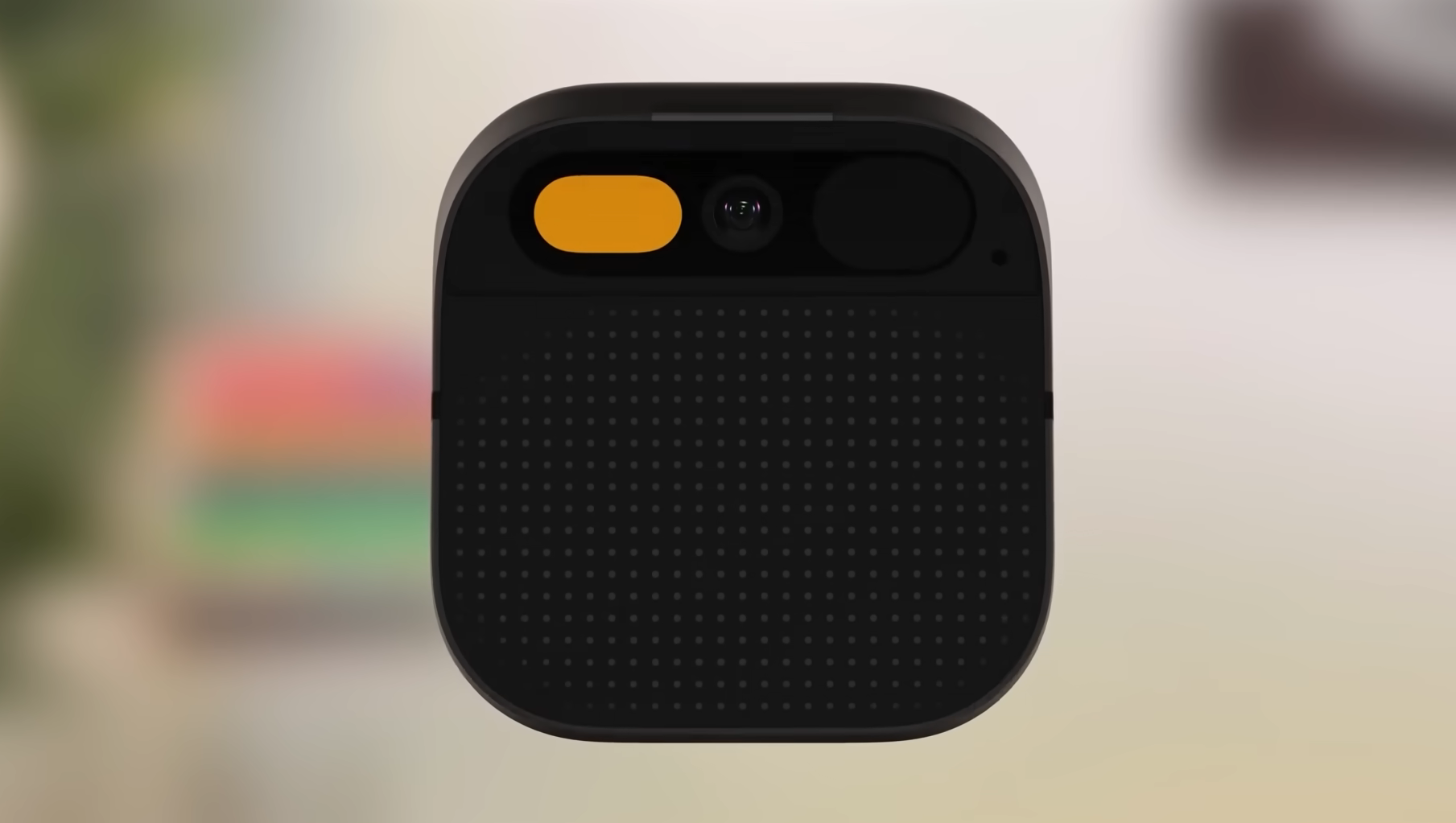
Practically every new song, new movie, and new book, every new app and every new product that hits the market lacks imagination. Not in a trivial way, but in a very profound one. People just on recent trends and try to cash in first.
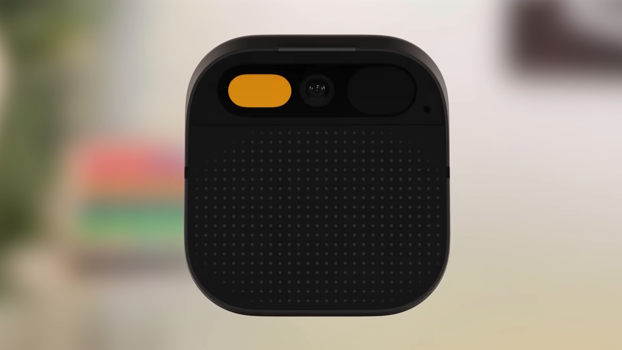
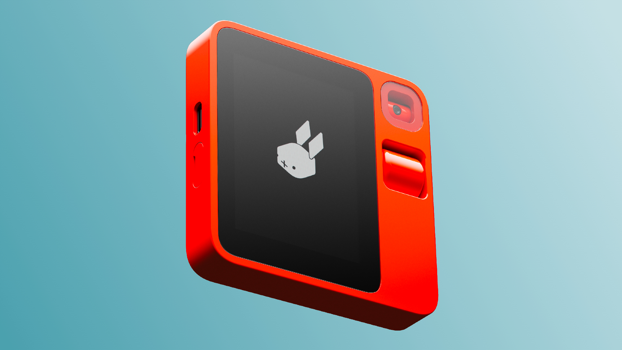
The founders of this piece of junk thought: Everything will be AI, so let's take that to the extreme and go to the market fast so we can cash in to the extreme.
Imagination takes time and a lot of iterations before it connects to the complex texture of reality.
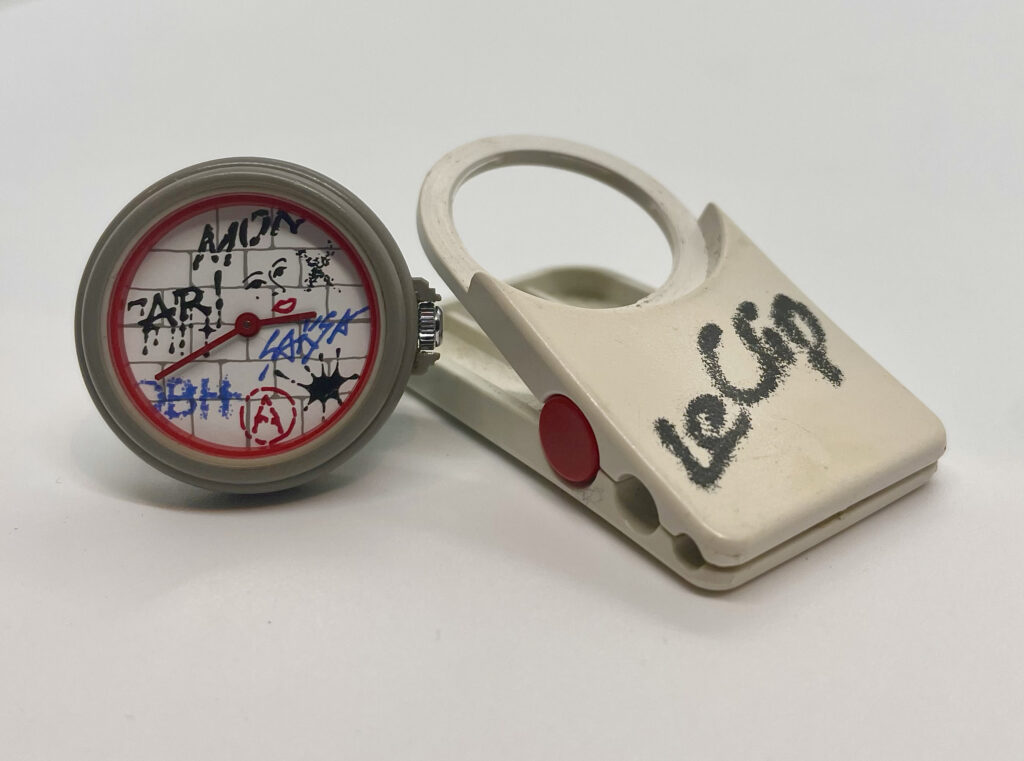
One reason why the world is going to hell is that there is more and more of the same and a depressing lack of courage to imagine the world from a different, honest point of view.
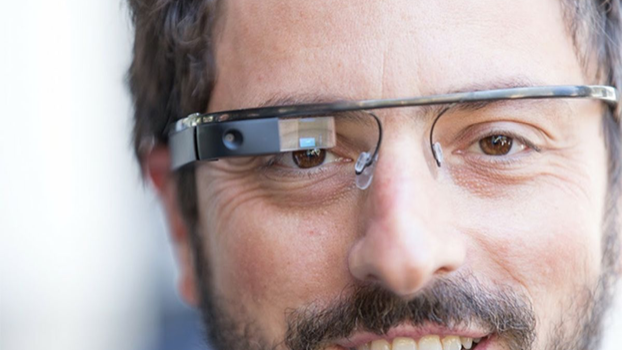
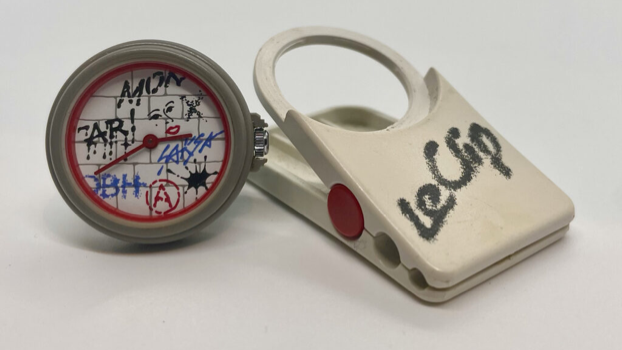
The clip idea has been tried before. Clips are uncomfortable, easy to lose and they inadvertently advertise something. Watches as clips advertise time. AI clips advertise mics and cameras and that you're a potentially very creepy person.
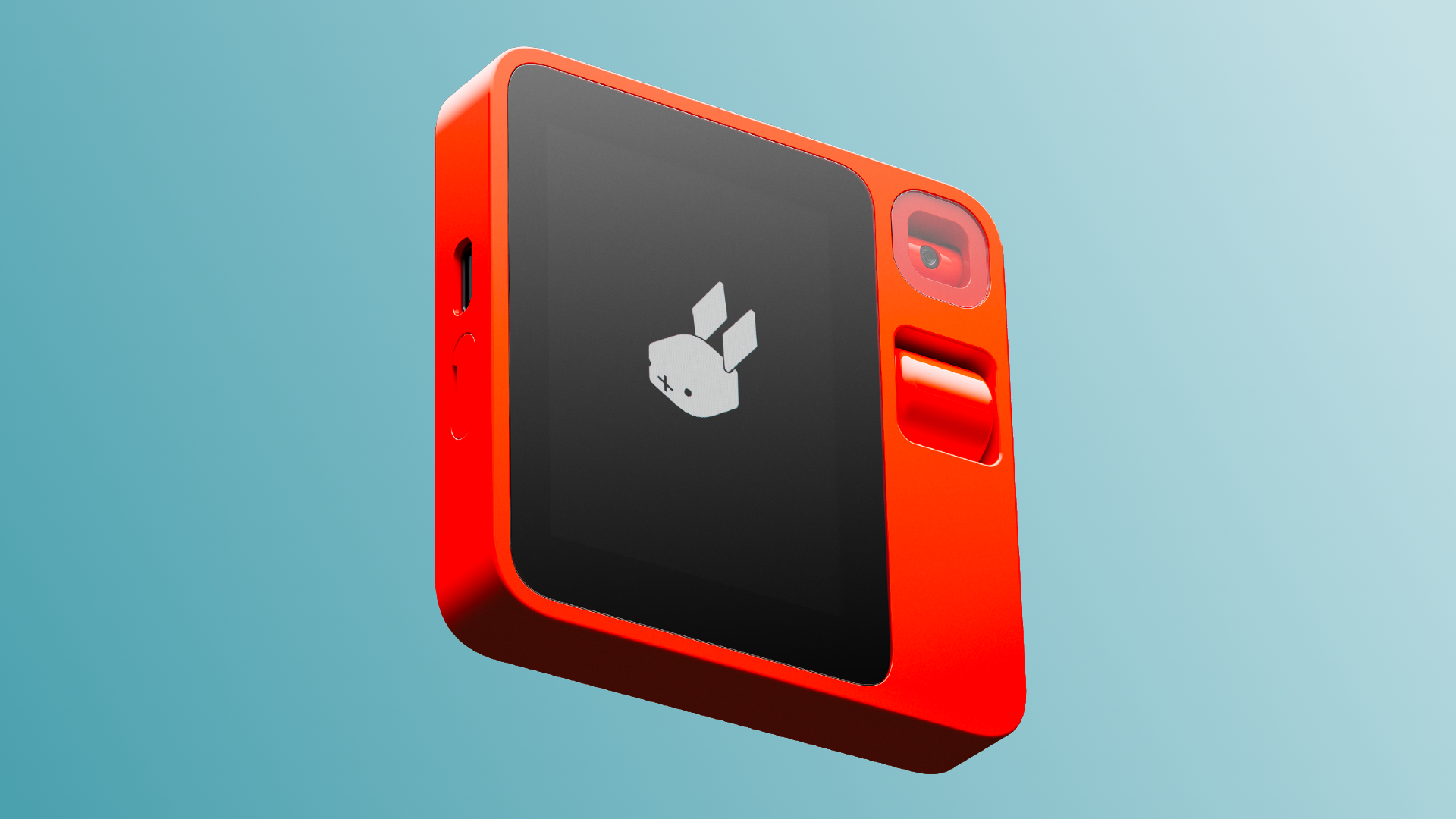
This was better executed, but it still lacked imagination and honesty in a very profound way. Did the founder really use and love this device? (Likely not). Did they ask anyone how they felt about it? (Probably not). Did they test if it works (it doesn't) before going to market?
We could do better, but somehow we do not dare to even think about the world being different instead of more of the same. What kind of courage are we lacking?
Isn't it obvious how broken things are? Aren't we all mad about how broken things are? Why don't we, just do it then?

Imagination requires the courage to go beyond being mad. Going beyond being mad at something or someone, being mad about how broken things are. Getting mad enough to try to understand and accept why exactly things are broken, and getting mad enough to decide to fix them.
We lack the courage to be mad at ourselves for not doing something. Mad enough to accept the responsibility to fix what we can and should fix. The kind of madness that doesn’t just blame and complain. The kind of madness that tries to understand in spite of being mad, that wildly imagines—and then carefully tries to make—something better.
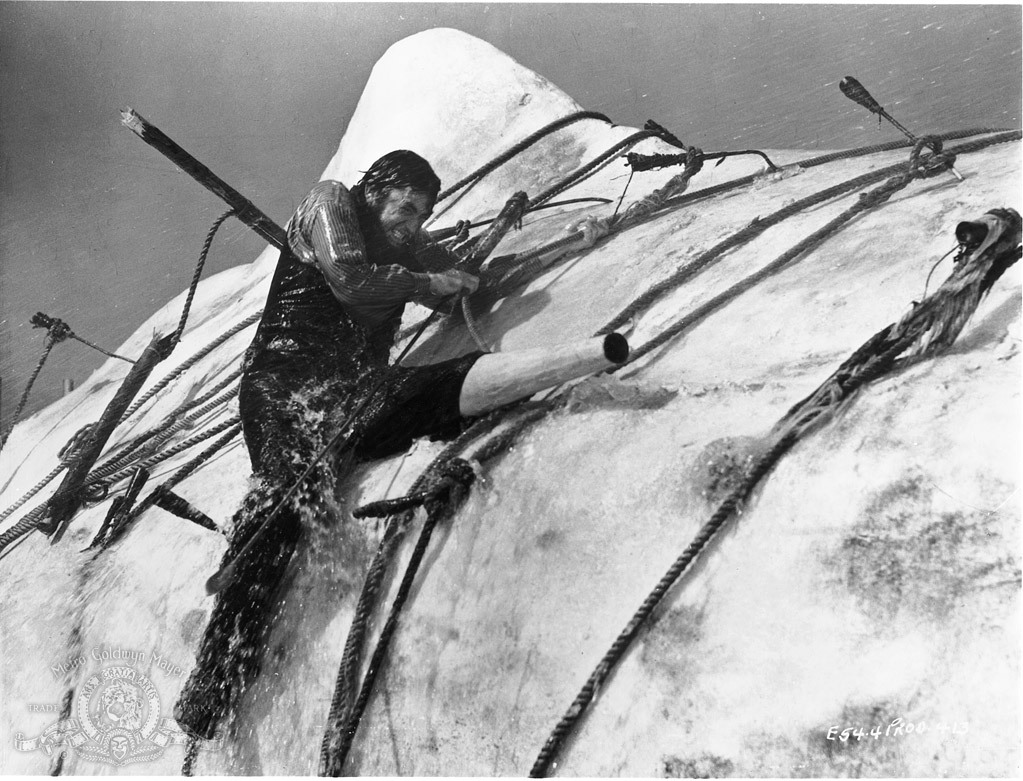
What if it turns out that we won't be understood, that we fail, that we were indeed crazy?
The good news is that we don't need to convince everybody. We don't need to change the whole world at once. We just need to find enough people that share our views, and are willing to be crazy together.
We just need to find enough people that make it possible to continue doing things differently.