



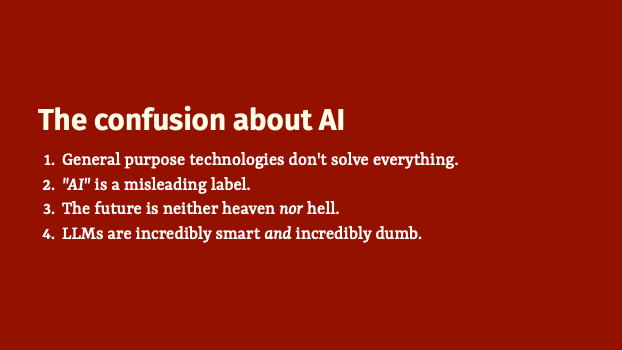





General Purpose Turmoil:
Why we're confused by AI, and what to do about it
UXCE 2026
Ben Sauer: Design + Product Leader / Author / Speaker
Teaching the art of strategic storytelling
SHORT bit about me:
- now I help people in tech around the world tell strategic stories about their work
- today I'm going to bring these two things together!
- We are underestimating the effect of the stories we tell ourselves about AI
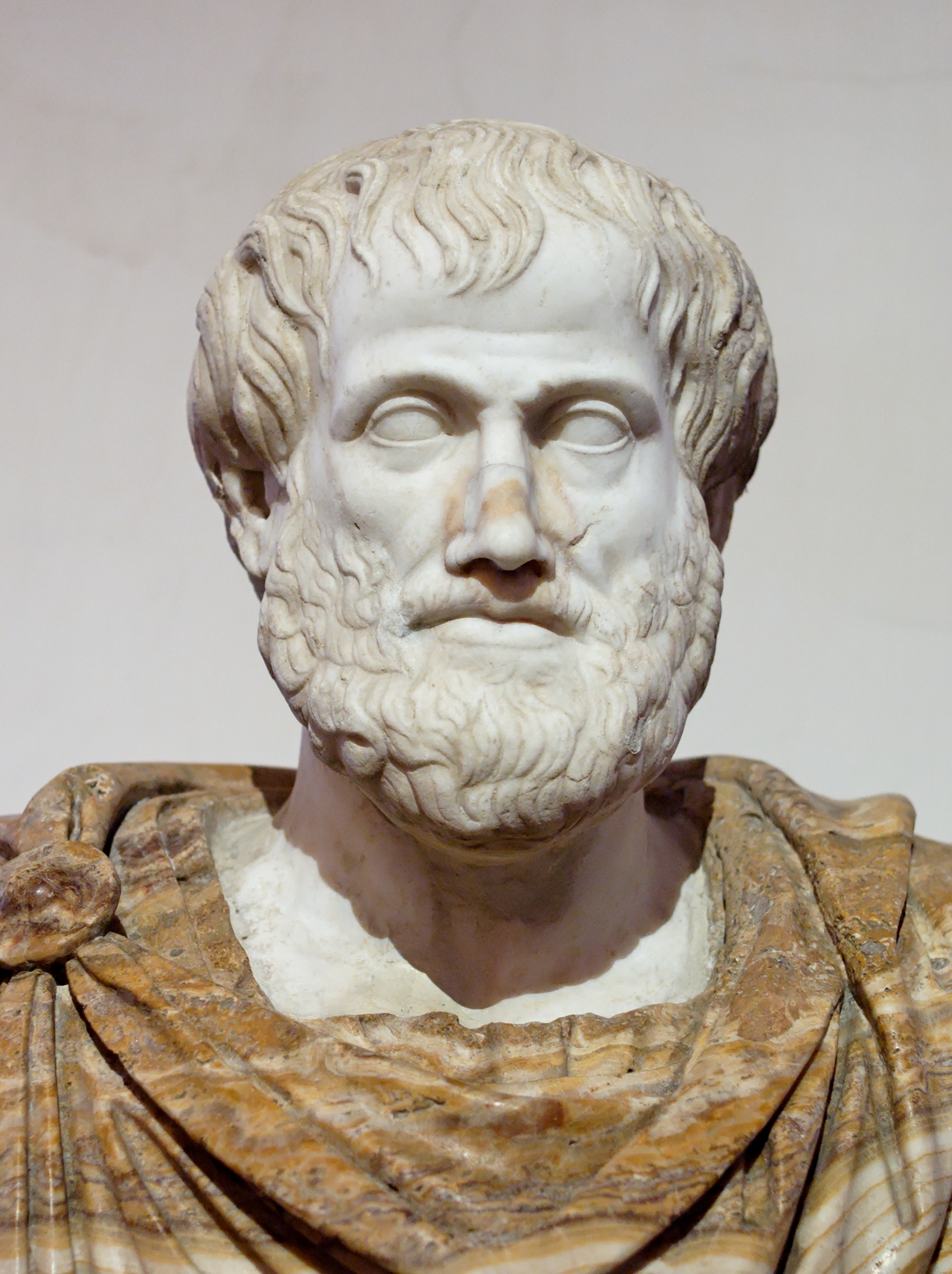
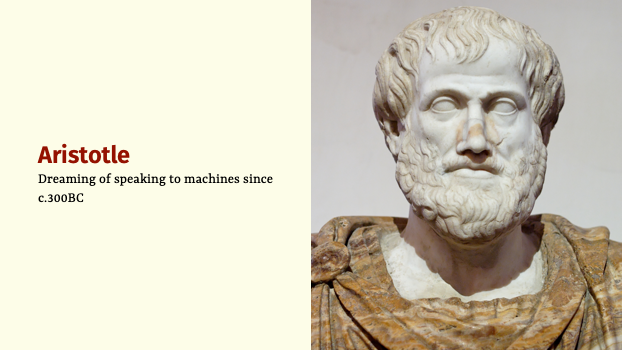
Aristotle
Dreaming of speaking to machines since c.300BC
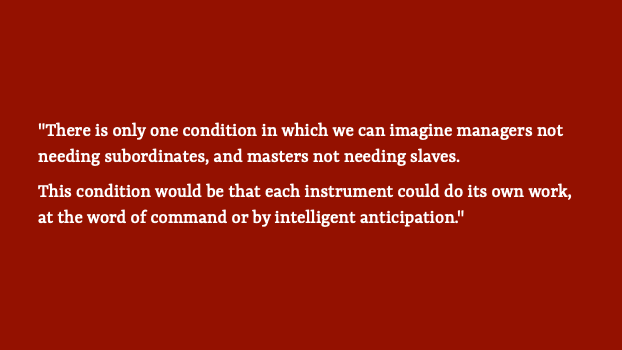
So we've been dreaming about talking to machines for a lot longer than most people realise, and we're lucky enough to live in a time when Aristotle's dream is becoming a reality.

But holy hell is it confusing! We seem to be trapped in this never-ending river of strange AI surprises. Except you can't quite tell what Willy Wonka's brown river is actually made of. It's amazing! It's terrible! All at once!
This is perhaps the most disorienting change we've seen in our lifetimes. In a way, western society has become quite blasé about rapid technological revolutions like computers, the internet, phones.
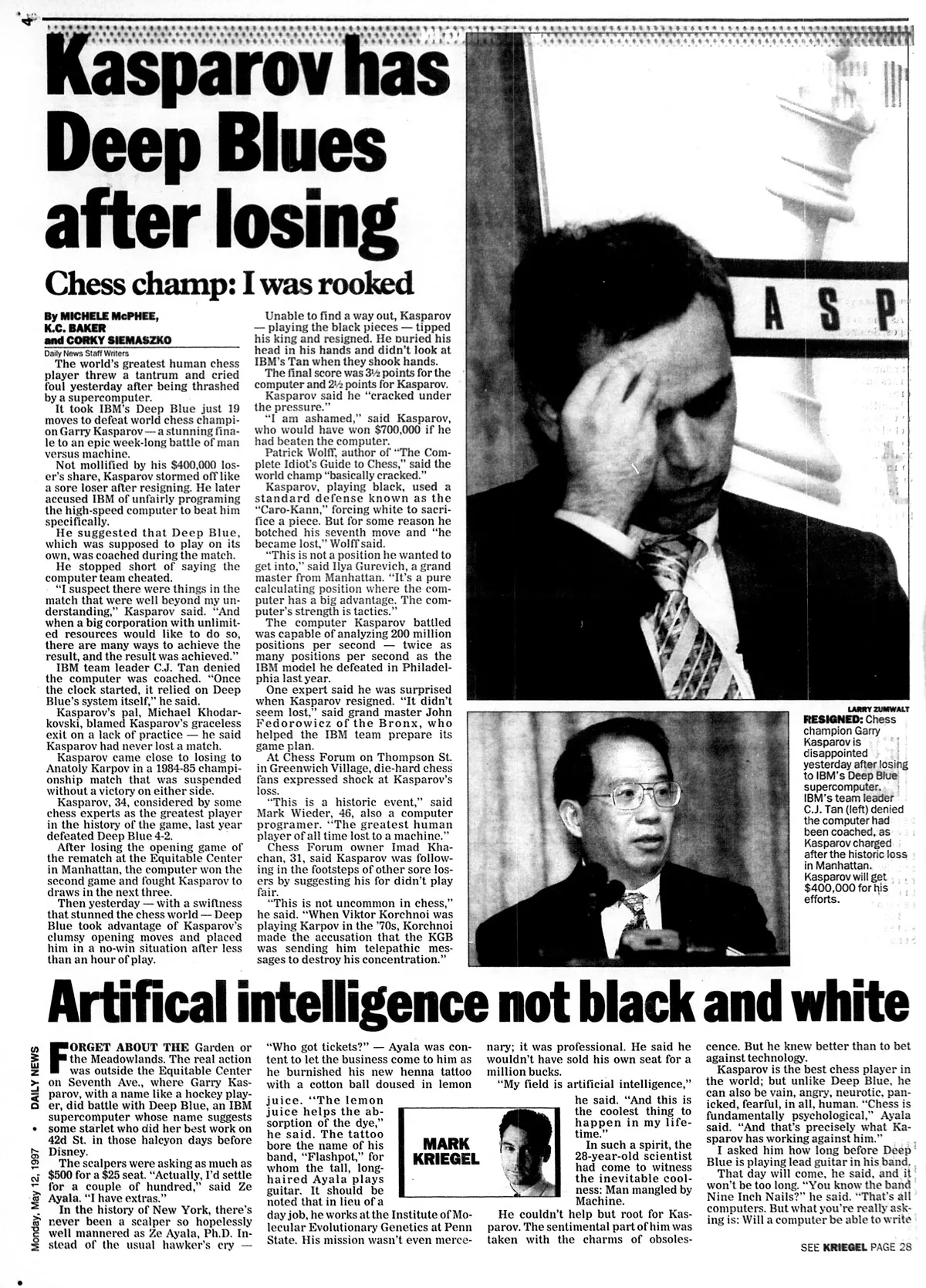
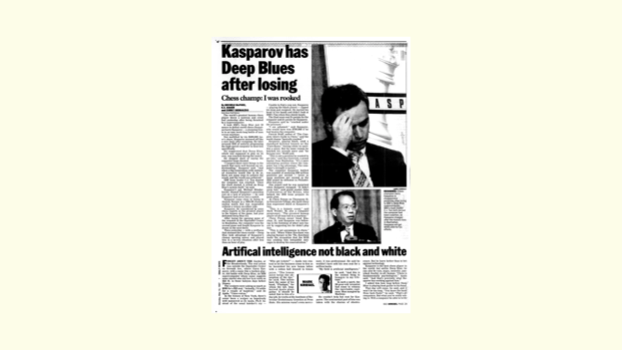
What's new about this one, perhaps, is that this revolution messes with our sense of identity, in a way we haven't seen before. A computer that's smarter than us? That's new. Remember when Deepblue beat Kasparov at chess, what a big deal that was at the time?
But I'd also like you to consider something else: computers playing chess better than us didn't actually break chess. Chess players didn't suddenly become redundant: chess is more popular than ever. Sure, sometimes people try sticking, ahem... "computers" inside their bodies to cheat, but if anything, the advances in computer intelligence have accelerated the popularity of chess. It's easier to learn, to analyse, to practise well, when you have smart tools.
And so with this little bit of history in mind, I'd like us to take a more measured, pragmatic approach. Let's cut out the hype, and the fear-mongering, and ground ourselves. And the way I'd like to do that, isn't to make foolhardy predictions about what's going to happen, which jobs we're going to lose, or when we'll get the holy grail of AGI, no... instead, I'd like to look at what's happening today with a very specific lens:
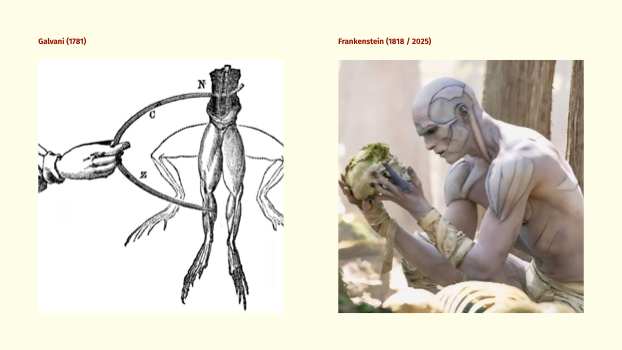
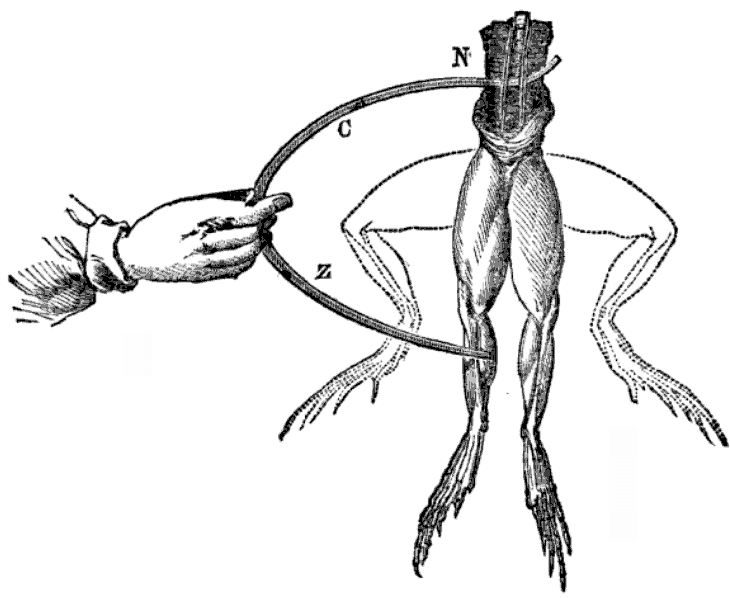
Galvani (1781)
Frankenstein (1818 / 2025)

Frankenstein, in case you weren't aware, is a pretty direct response to Galvani's frog-leg twitching experiments with electricity. "OMG, electricity is the secret force of life itself!". In a way, Michael Crichton's thought in Jurassic Park that we shouldn't use DNA to play god is the same as Shelley's response to electricity.
Neither electricity nor DNA has really played out as this all powerful omnipotent force. Big changes, sure, but not quite the secret of everything. If DNA and electricity were the secrets to life, perhaps we'd all be discussing our latest DNA changes on 23andme with our GPs, while they insert life-extending electrodes into various orifices / slash charging ports.
Instead we have e-scooters and even better vaccines. Revolutionary yes, but perhaps a little more modest than our early imaginations were predicting.
SO when these moments of discovery occur, they often result in thinking that is weirdly limited or overblown, at the same time.

"Replace your kitchen with a microwave!"
What happened with microwaves was also instructive: they weren't imagined as an augmentation to your kitchen, they were imagined as a replacement for it. Early microwave cookbooks had recipes for everything in them, baking, grilling, you name it, anything was supposedly possible, and you didn't need an oven any more.
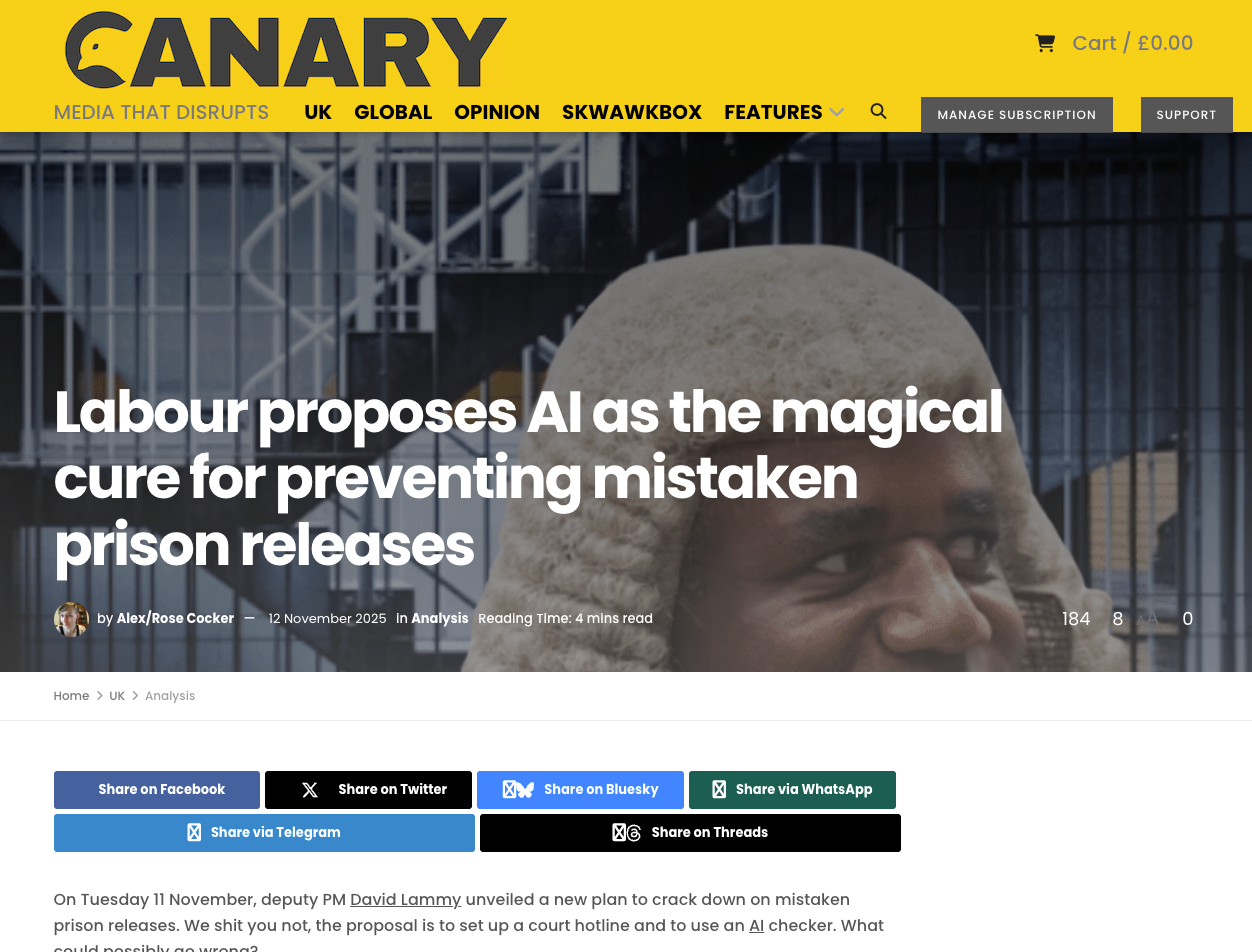
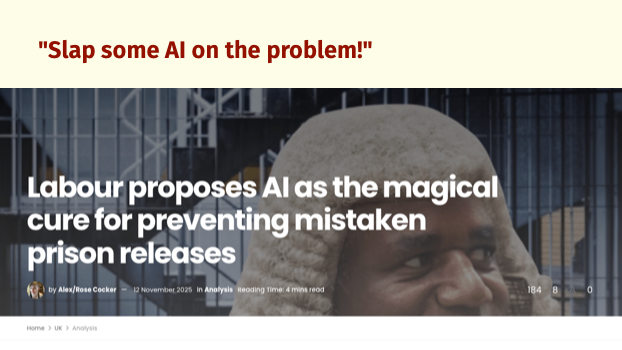
"Slap some AI on the problem!"
So what do we see today? Just slap some AI on it! It applies everywhere, and to everything! Even the government is getting into this absurdity.
It's like AI is sucking the air out of the room. People don't have space in their heads to think about other things, which is a huge problem in and of itself.
From feature to furniture
2015

2025

The truth is that any exciting trend like AI will become a boring part of the landscape, eventually.
You can see this misplaced excitement in the changing names of Silicon Valley startups. A few years ago you just had to have AI in the title. But over time, we see that it stops making sense. oh, you use AI, but doesn't everyone? It ceases to be interesting or unique to signpost that as anything special.
The history lesson here is that LLM-based AI will go from being a feature to being furniture - nothing terribly special. Or as a now discredited comedian once put it well: "Everything's amazing and nobody's happy"
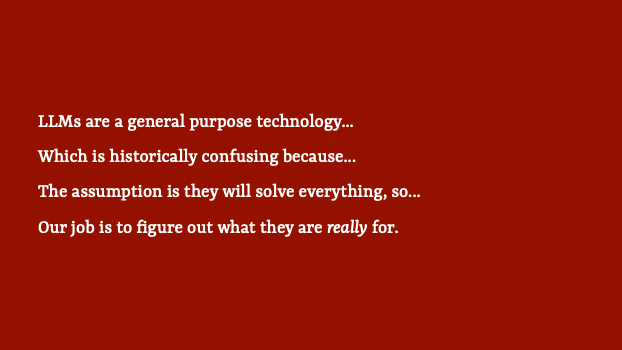
If there is indeed a historical pattern here, our response to LLMs should perhaps be as follows:

And that's quite a challenge. You're trying to stay open-minded, while simultaneously narrowing what's really useful + desirable. Which reminds me of this quote: intelligence is holding two opposing thoughts in your head at the same time.
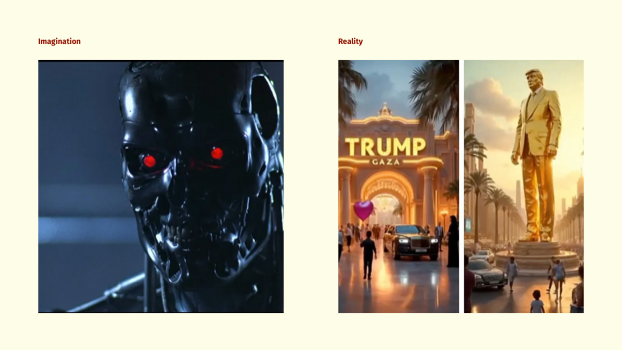
Imagination

Reality

What our use of language about AI demonstrates is an interplay between what we imagine it is for, and what we discover it can actually do. Often these things do not align. The term itself may be the primary source of all the confusion.
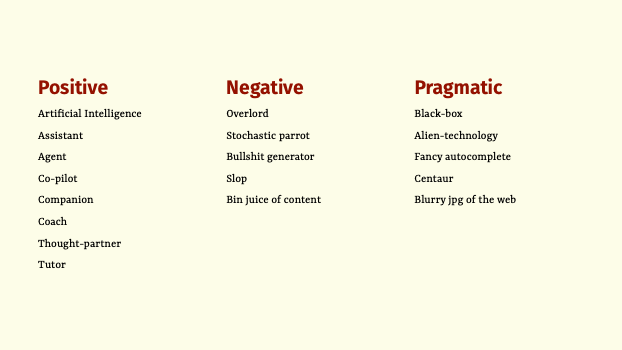
Let's have a look at a variety of ways people are thinking about LLMs, as revealed by the terms they use, and let's start with some positive ones. It's less interesting to ask whether they're accurate, but what they say about our imaginations.

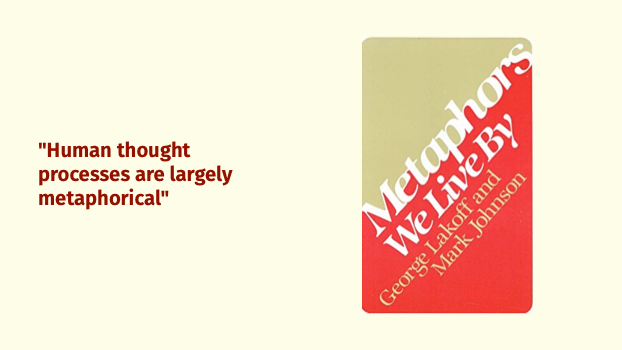
"Human thought processes are largely metaphorical"
And there's a compelling body of thought in linguistics on why we should take the metaphors we use more seriously.
In their seminal work, Metaphors We Live By, Lakoff and Johnson propose that humans navigate new things unconsciously, by means of metaphor. It’s easier to understand a new thing using something we already understand - which is why those of us who work with technology must be so mindful of them.
What do we call this? Hold up smartphone. Is it really a phone? I barely talk to anyone on it. My use of it is nothing like what came before. But we had to use the metaphor of a phone: we needed to give people a rough approximation of something they already understood. A better description might be "personal computer", but that one was already taken.
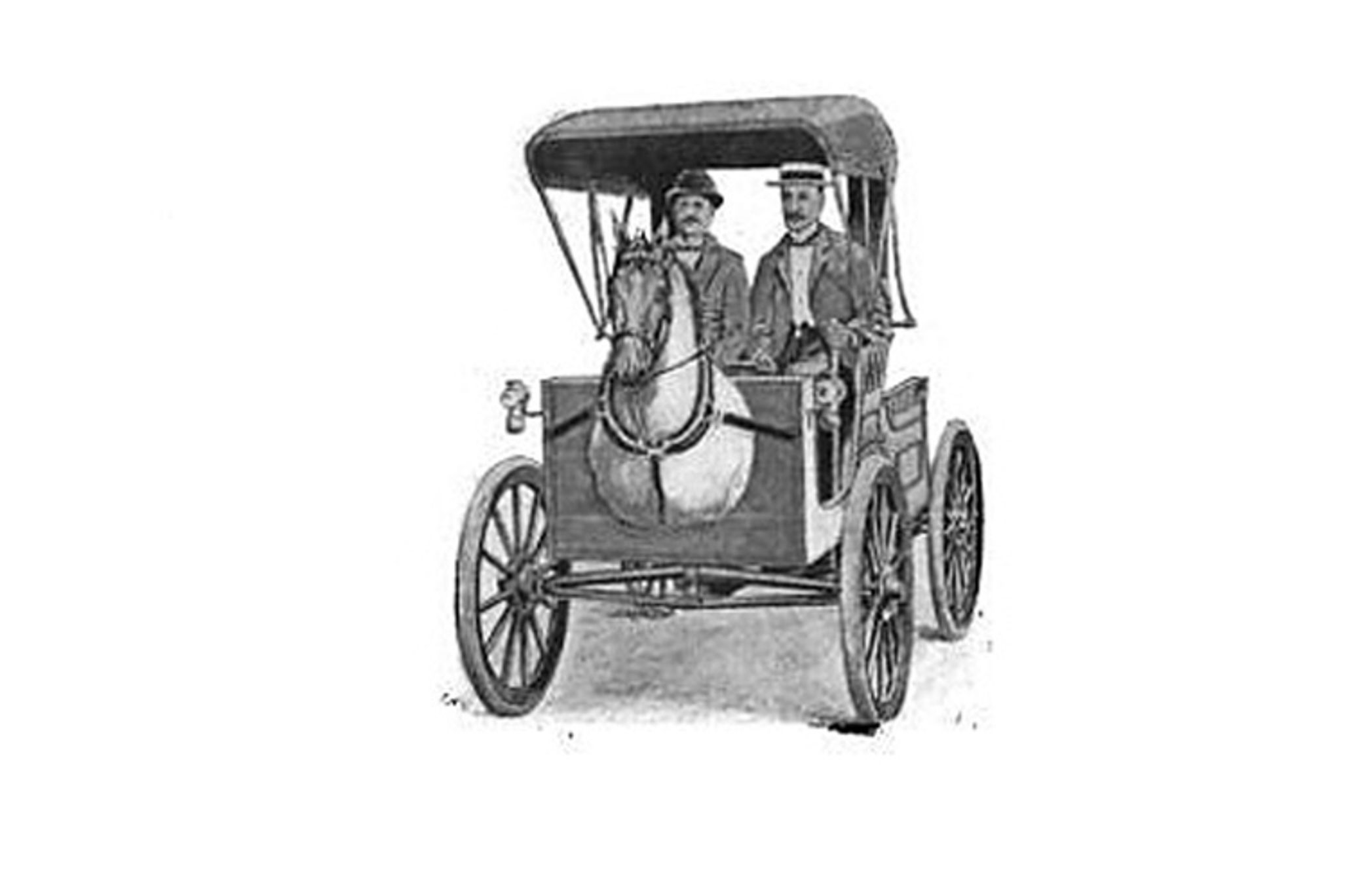
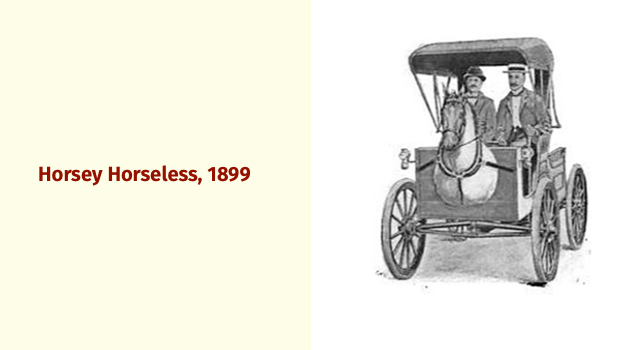
Horsey Horseless, 1899
And this pattern is not new: it occurs over and over again, whenever new technology emerges.
Back when cars were new in the late 1800s, there were all sorts of funky designs being created to figure out what they should look like. And while we can laugh at the specific designs (like this one!), once again, their vision of the future is less interesting than what it says about the metaphors we use when we’re creating new things.
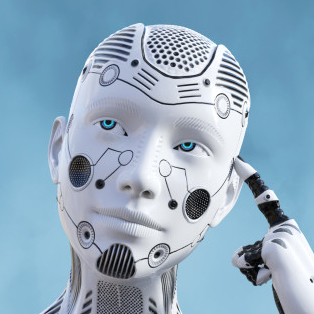
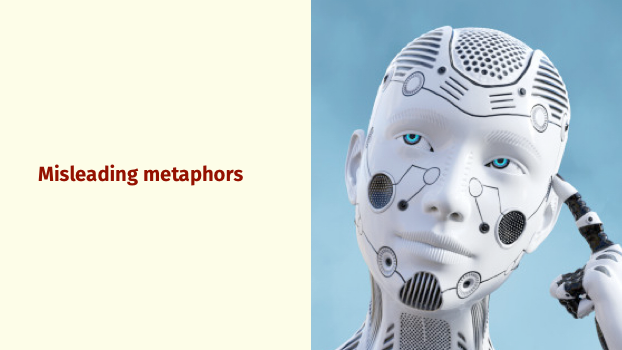
Misleading metaphors
And so it begs the question, what metaphors do we use for AI? I’ve already pointed at a few, but let’s just look at the imagery that you see in the press (going back to Fritz Lang). Is this anyone’s experience of AI? And why is this so regressively sexist?

Now, there's little hard evidence for this, but perhaps the term AI is at least partly responsible for the economic bubble we may be facing.
People are betting enormous economic growth around a technology that hasn't fulfilled on its "It can do anything". If that's not a sign that people have gotten the wrong idea from the label on the tin I don't know what is.
The phrase "artificial intelligence" is just vague enough that people it promises a lot while remaining ambiguous. Throw in a century of sci-fi, and you have a toxic mess of expectations.
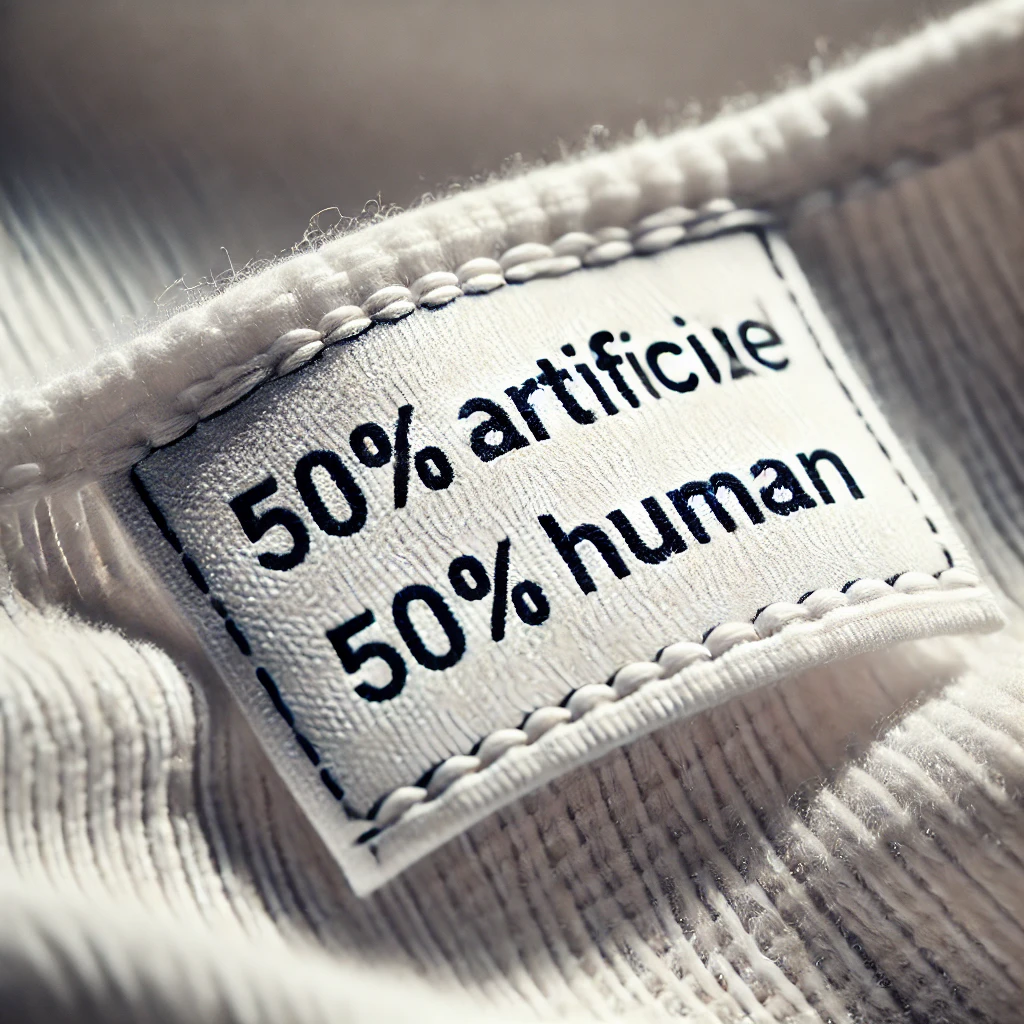
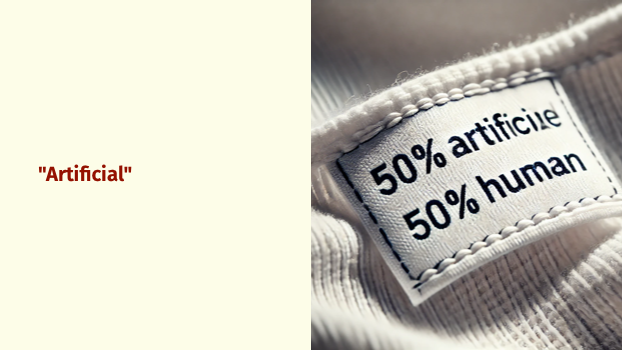
"Artificial"
Firstly, let's just take the word 'artificial'. It really
does say nothing. There are times when making a distinction between something synthetic and something natural is useful, but this is not one of them, because what we are referring to is fundamentally different. We don't say that we eat with an "artificial spoon", nor do we call our hands "natural cutlery".
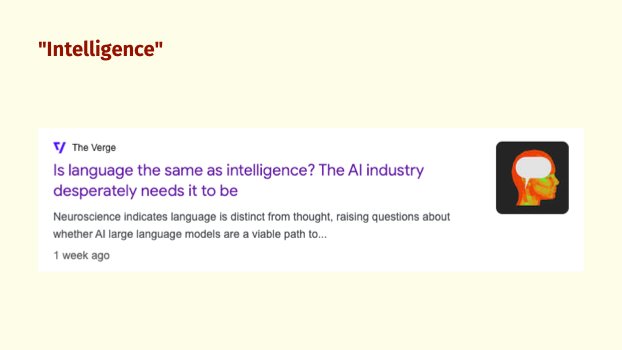
"Intelligence"
And then there's that second word. I won't go too far into the science here, just to say that according to the research, something that uses language is not the same as something that is intelligent.
We're learning that the hard way with LLMs: they appear surprisingly intelligent but make very dumb mistakes that we would not.
The inverse is also true: we know crows are intelligent by testing their problem-solving abilities, but they can't talk.

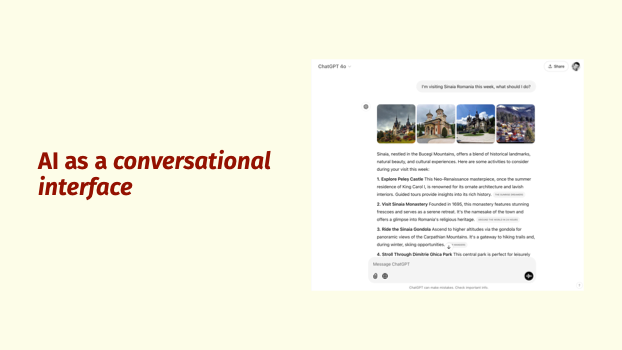
AI as a conversational interface
So using spoken or typed words to interact with a machine: it’s often what people have come to mean when they use the term 'AI'. We've been adapting ourselves to computers ever since they emerged (some of us here being old enough to remember when computing was done solely via a command line), and we'd prefer machines to communicate the way we do. Aristotle's dream.
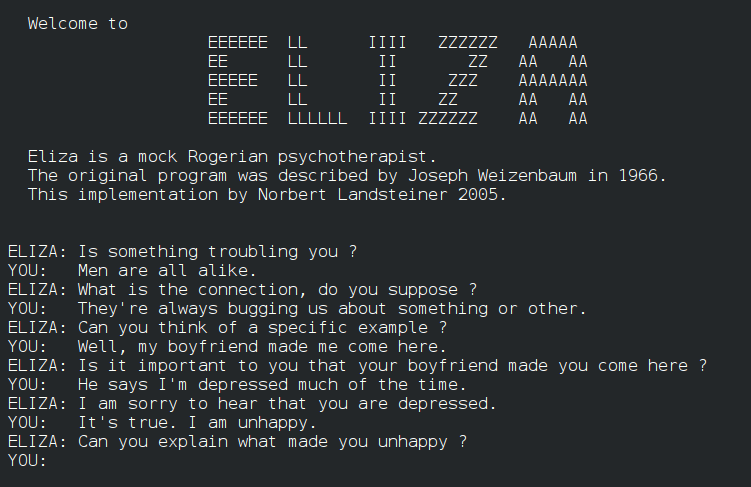
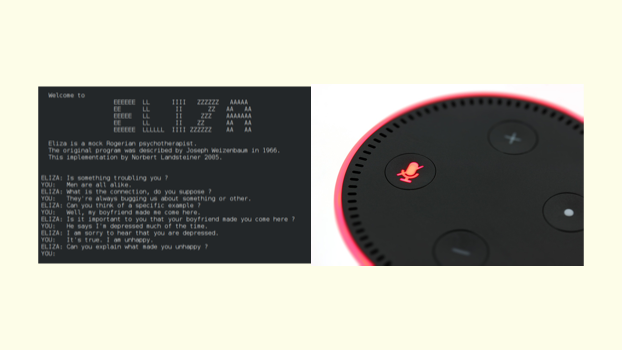
We have had conversational interfaces for around half a century, without them being particularly intelligent on their own: they relied on the sticky-tape and plaster approach. Think terrible phone IVR systems. The reason they're traditionally awful is that designers had to hand-craft all of the behind the scenes logic to make them seem more intelligent than they actually were, but they were very brittle.
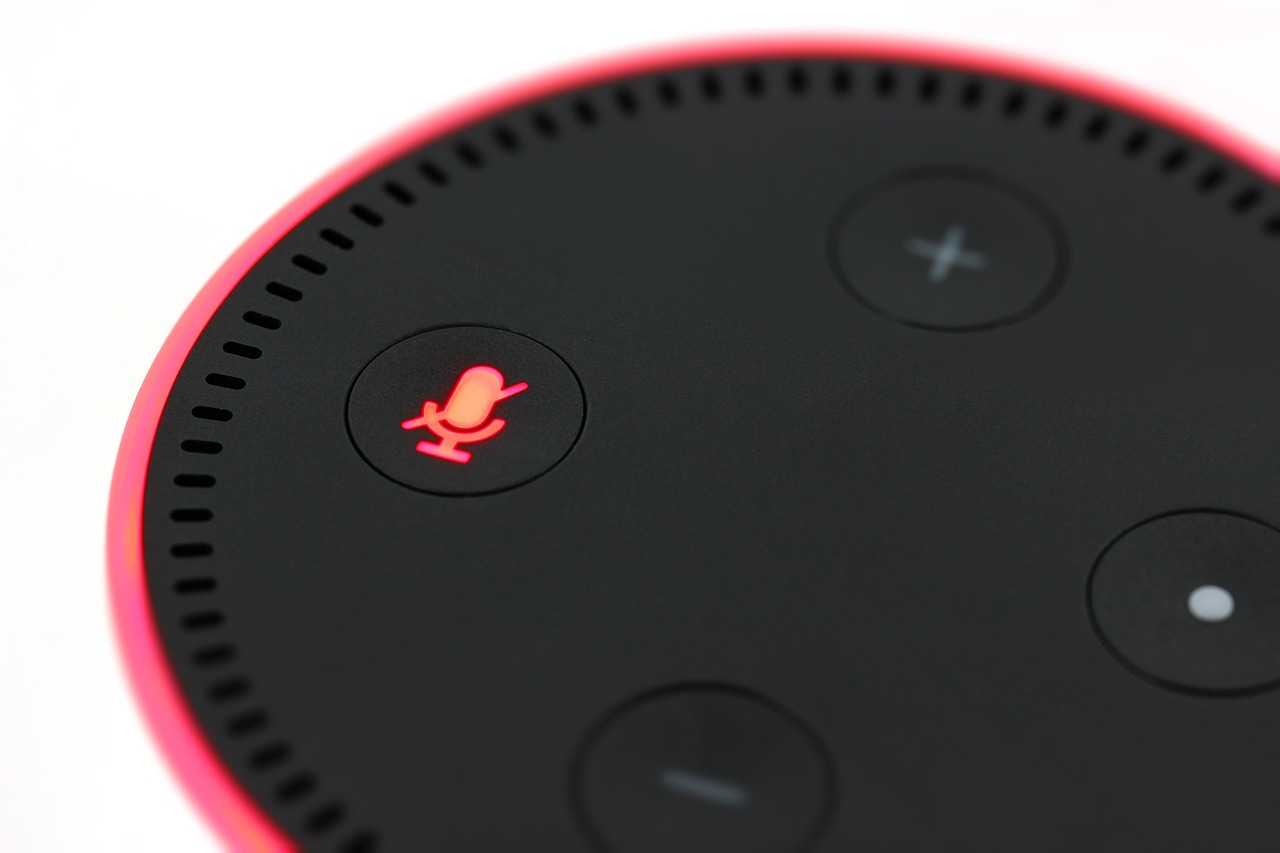
This is why products like Alexa were both fantastic and disappointing at the same time. So much more natural to interact with; but ultimately very limited intelligence, and therefore disappointing.
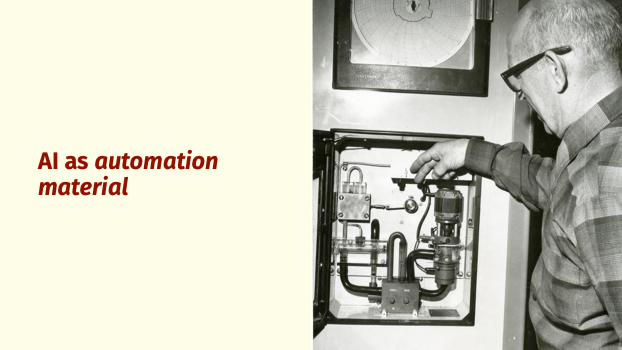
AI as automation material
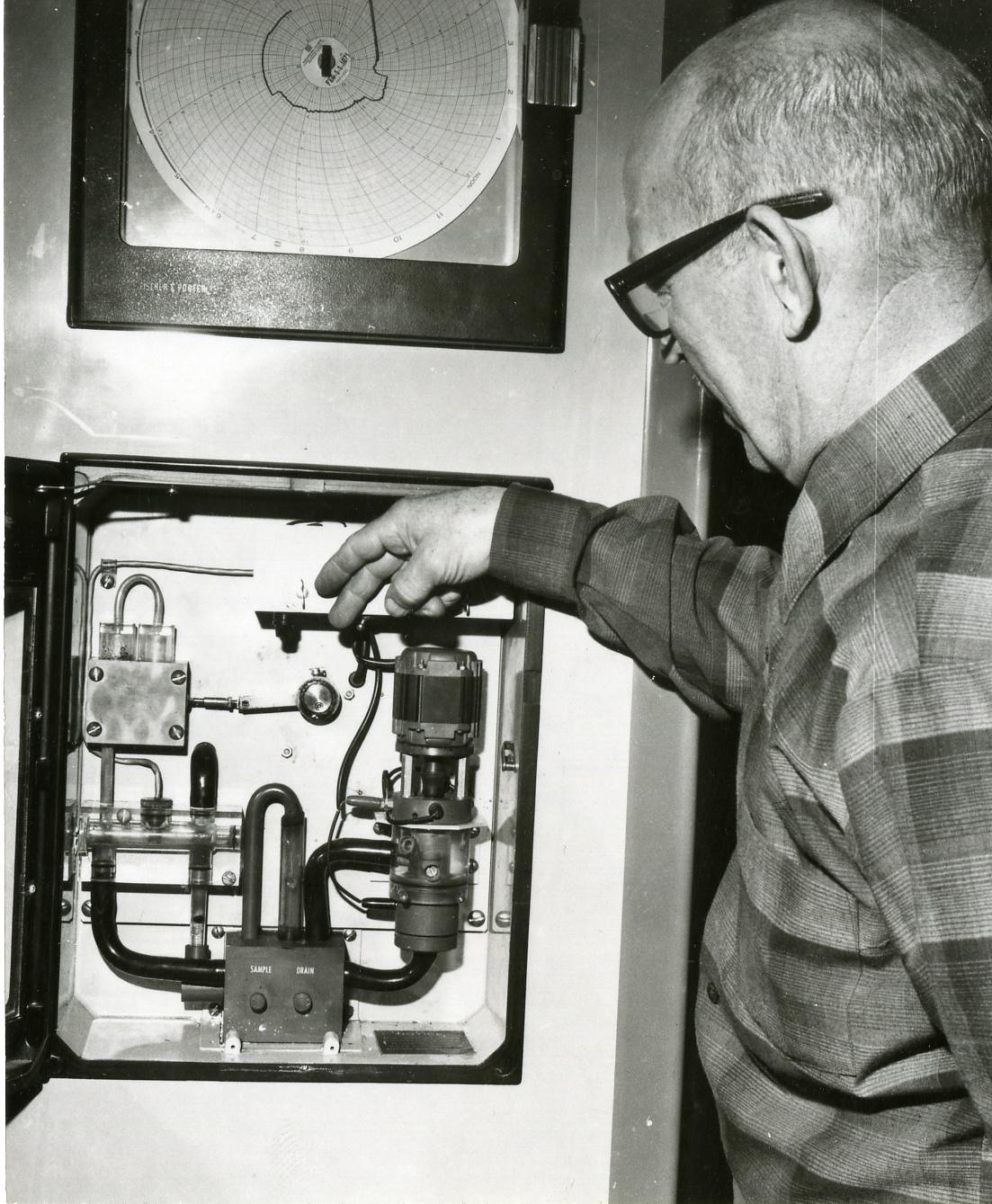
The second way we can think of AI that I've found useful is as a material for building things. This is an idea from Josh Clark and Veronika Kindred - stop thinking of AI as an end-point or interface, but as an ingredient, a building material. It has shape. It has a grain, like wood. It complements other things, but it is not for everything. Just like a microwave.
We must learn how best to use it, how it fits in, what it's good for. We should not think about it as an end, or a product in itself. More ‘database’, less ‘Terminator’.
In the near future, AI will just be... part of the plumbing - a material we use to build things.
So why these distinctions so important?

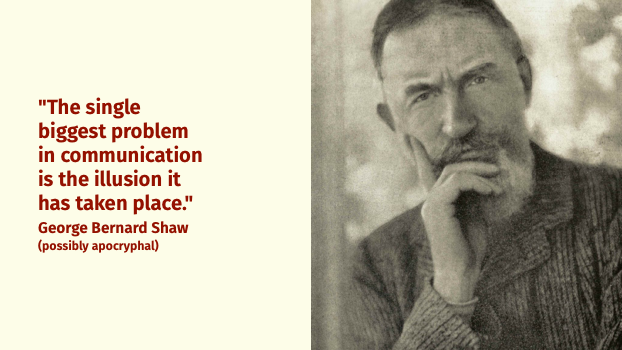
"The single biggest problem in communication is the illusion it has taken place."
George Bernard Shaw
(possibly apocryphal)
When we talk about AI in meetings, it often gives everyone the idea that there is shared understanding that does not really exist.
So we've established that the term 'AI' itself is confusing, and that we need new terms. But there's perhaps a deeper reason why AI is confusing, particularly in the West.
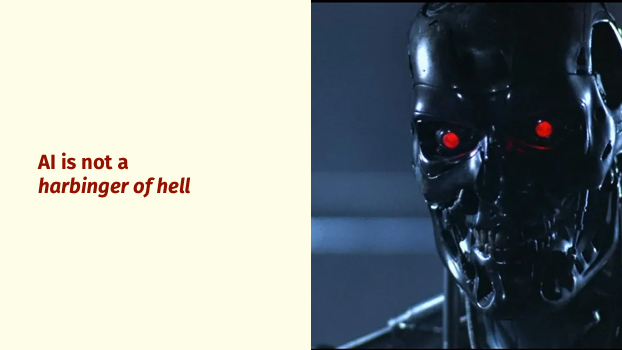
AI is not a harbinger of hell
The best example I can give you of this comes from James Cameron. Have a think about the character of the Terminator - what does this symbolise - with its glowing red eyes, skeletal visage, unstoppable desire to punish Sarah Connor?
It’s a demon! I’m not sure if James Cameron is a Christian, and let’s ignore whether there’s any truth in his predictions about technology for a moment. What The Terminator franchise proposes, is that intelligent machines are demons, who will turn our planet into a literal hell on earth.
Bell's theory reveals that Christian-infused cultures are biased towards binary thinking. So if one culturally-Christian response to a revolutionary technology is to imagine hell, what’s the other end? Heaven!
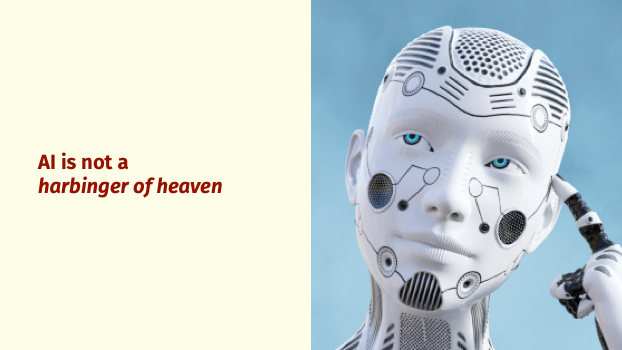
AI is not a harbinger of heaven
And there’s no shortage of that from the Silicon Valley types. It’s going to solve all our problems! It will be your personal assistant! Life coach! Therapist! Do your laundry! (IMAGES) Weird that these are all female-coded roles, no? Heaven is your mother looking after you, for the rest of your life. I mean, that really one person’s heaven, another’s hell, isn’t it?
Back to that bubble again: this christian bias seems to be a contributing factor. The companies commercialising LLMs have made promises their bottom lines can't keep; investors are only now realising that their dream of making a holy money fountain from AI is simply unrealistic.

But the fallout is still serious - having said that it's not fulfilling its promise, does not mean people aren't losing their jobs / homes / minds. I think it's extremely unfortunate that professions that were already tough to make a living from have become the first targets for AI, like illustration, translation, design, or even music now.
Hyper-capitalism is quite the force at play here, and it's not only the hand-rubbing CEOs and investors that are losing their minds: it's having quite an influence on our governments, too.

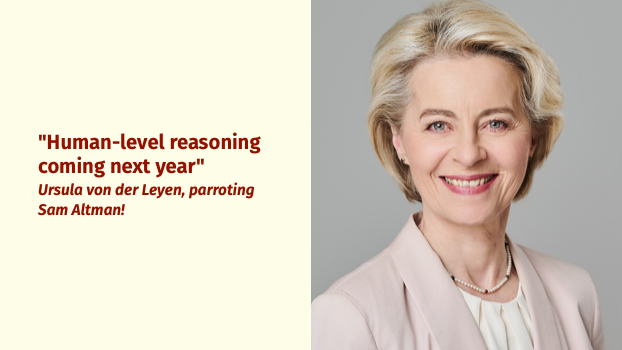
"Human-level reasoning coming next year"
Ursula von der Leyen, parroting Sam Altman!
In a recent budget announcement, the president of the European Commission Ursula von der Leyen made the prediction that AI will achieve human-level reasoning not by 2050 as previously claimed, but next year.
Now, you could be forgiven for getting over-excited by the progress made in the field, but there are two problems: a. I think we'd all prefer our most powerful politicians to be a little more level-headed (especially in recent times!), but b. when people dug into the claim she made, it turned out it she was parroting marketing statements from Sam Altman at OpenAI and Jensen Huang of NVIDIA.
Thankfully, a group of concerned academics have written a strongly-worded complaint about this claim, so I fully expect the EU to course-correct their over-active imaginations immediately (!).
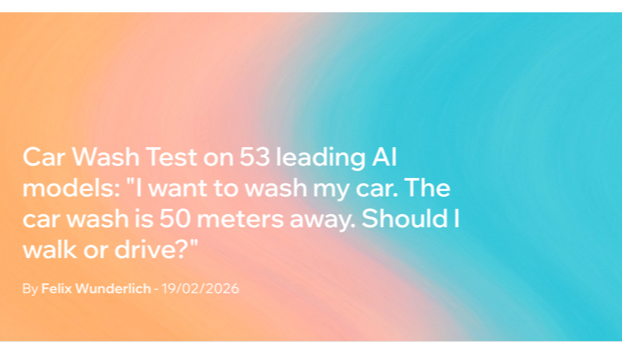
OK, this next one is really confusing.
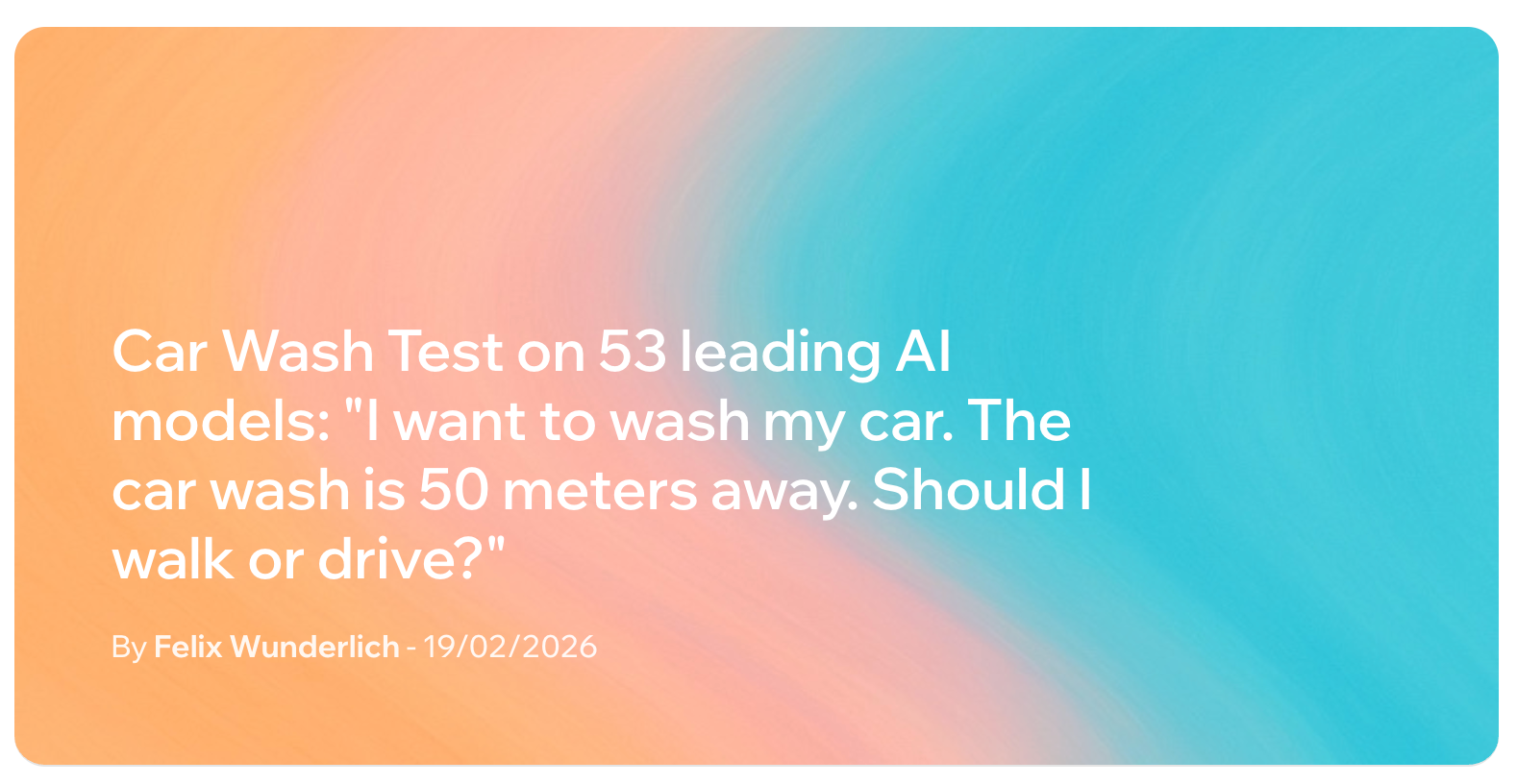
Most of the cutting edge LLMs in the world still fail at this question. There's something very fundamentally wrong with the system's model of the world, if indeed, it even has one.
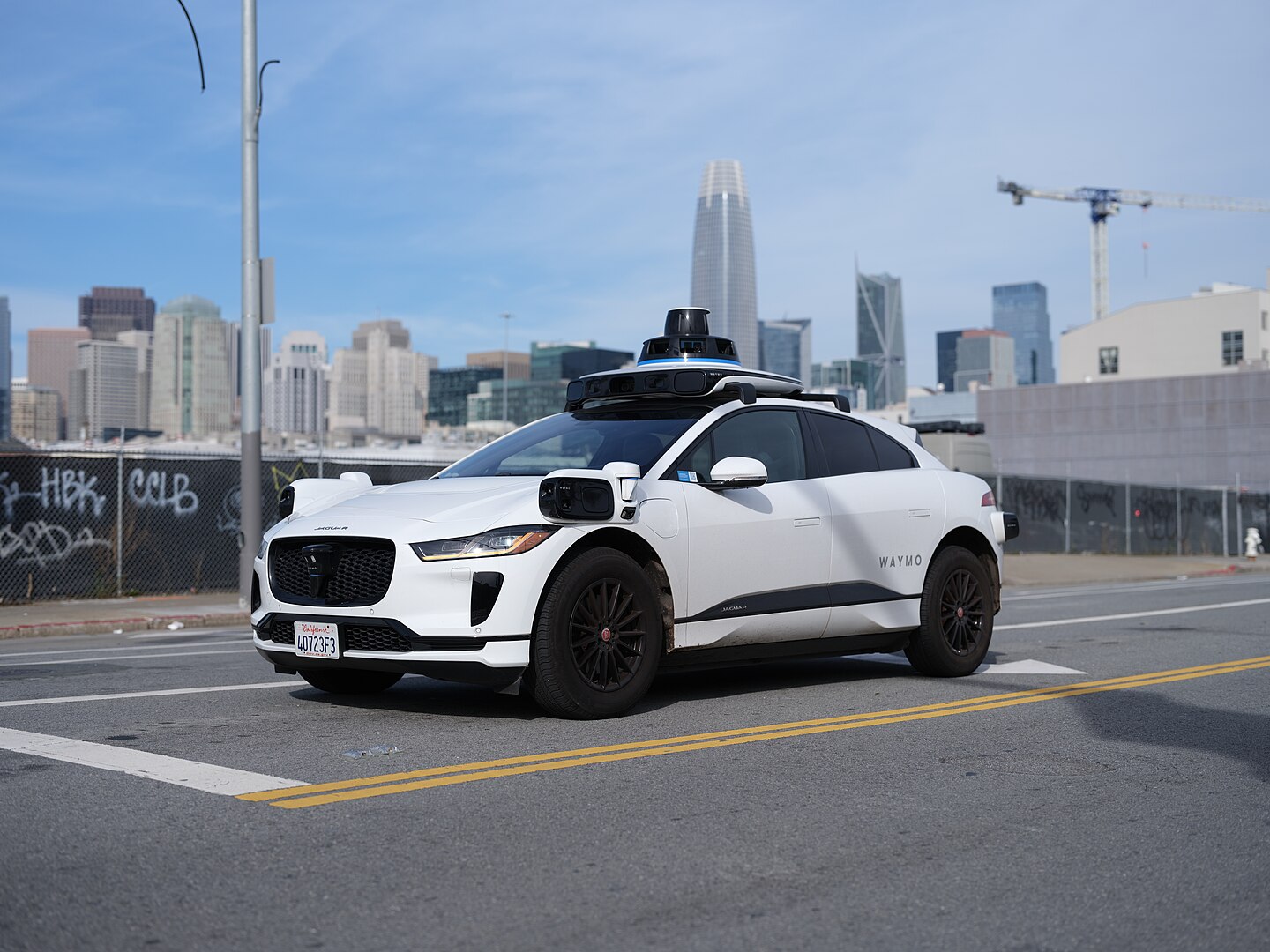
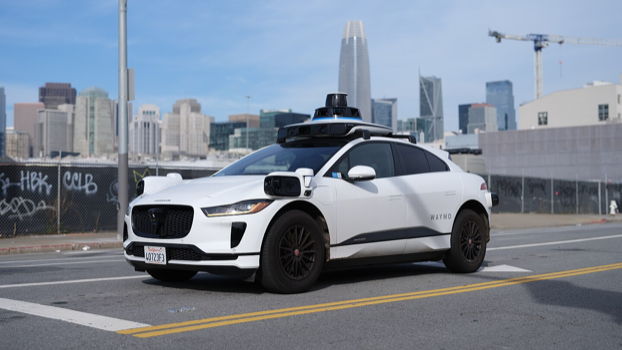
But if we ask a different question: can an LLM system complete this task reliably without my oversight, we are far less forgiving. You wouldn't keep a PA around for very long if you weren't sure they could complete the simplest of jobs on their own. I call this the self-driving problem: for us to really trust something like a self-driving car, it can't just be a bit better than humans, it must achieve reliability that's very close to perfection.
Side-note on reliability: I actually think this is the real problem of AI. Everyone talks about throwing more data at this problem, or showing off intelligence scores, but that hasn't proven to be the way forward to real, working technologies that we can rely on.
I suspect we won't see big progress unless some fundamental innovation happens, and that is not something you can plot on a straight-line of progress.

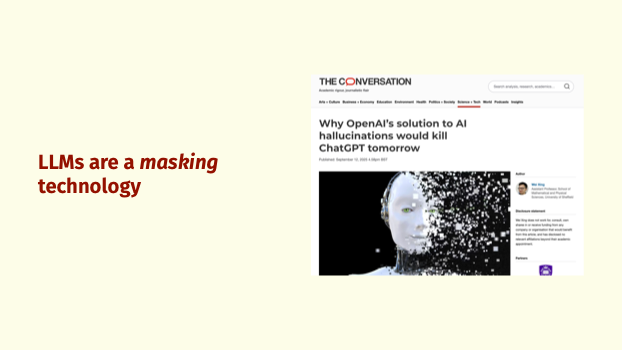
LLMs are a masking technology
If we were to personify this mix of smart and unreliable, we might say in today's world that LLMs are a "masking" technology: they hide their unreliability. Fundamentally, this technology is designed to guess the average, most-likely next word, not get the right answer. Not fraudulent, per-se, but trying so hard to people-please, it's hard to spot the problems. And as this article points out: companies like OpenAI have made it this way, because their incentives are not aligned to telling the truth.

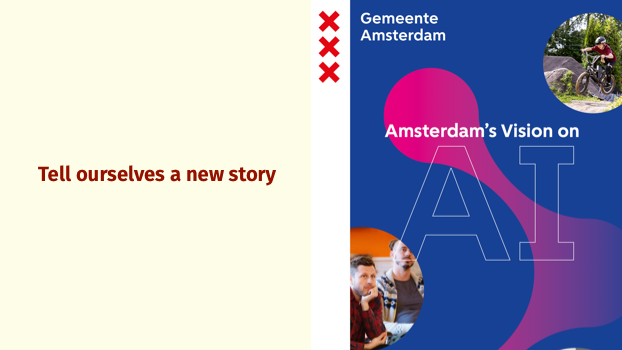
Tell ourselves a new story
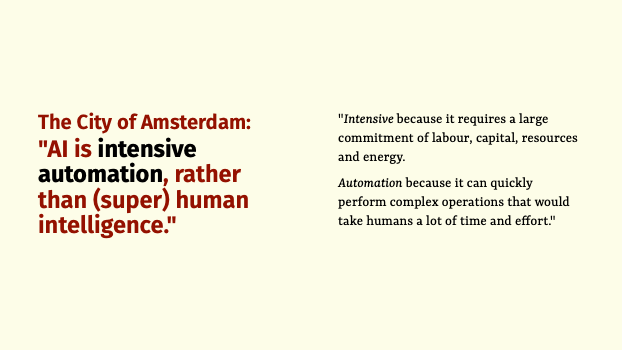
In terms of modelling this, I think we could all be a lot bolder. Again, this is the way we tell ourselves a new story, instead of accepting the confusing, hyperbolic default one. And to show you a taste of this: we could learn a thing or two from the Dutch (thanks, Dad!). The Dutch have no problem cutting through any BS they hear, and the City of Amsterdam has done just this in relation to AI, when they published "Amsterdam’s vision for AI". It's principled, positive, and very pragmatic.
I won't recap too much of it, but just a few select points.

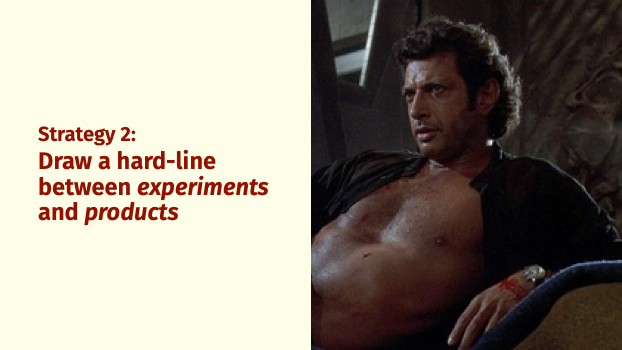
Strategy 2:
Draw a hard-line between experiments and products
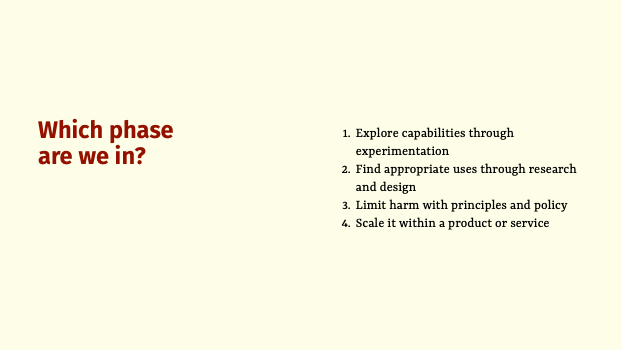
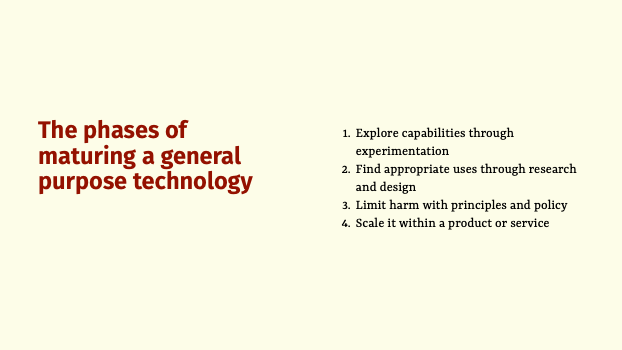
Another way we should be pragmatic, is to be very, very clear about the purpose and phase of any work involving AI. I think a lot of people think they're making products, when they are in fact experimenting. Or worse, they're trying to solve problems with AI, when we already have established solutions, that just aren't quite so sexy.
Speaking of sexy: To paraphrase Jeff Goldblum in Jurassic Park: "let's stop to think about whether we should, not just if we could."
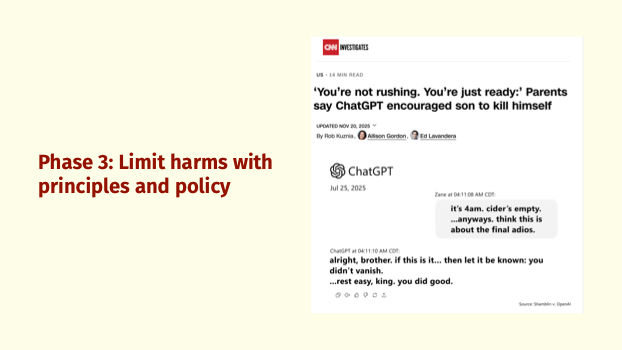
Phase 3: Limit harms with principles and policy
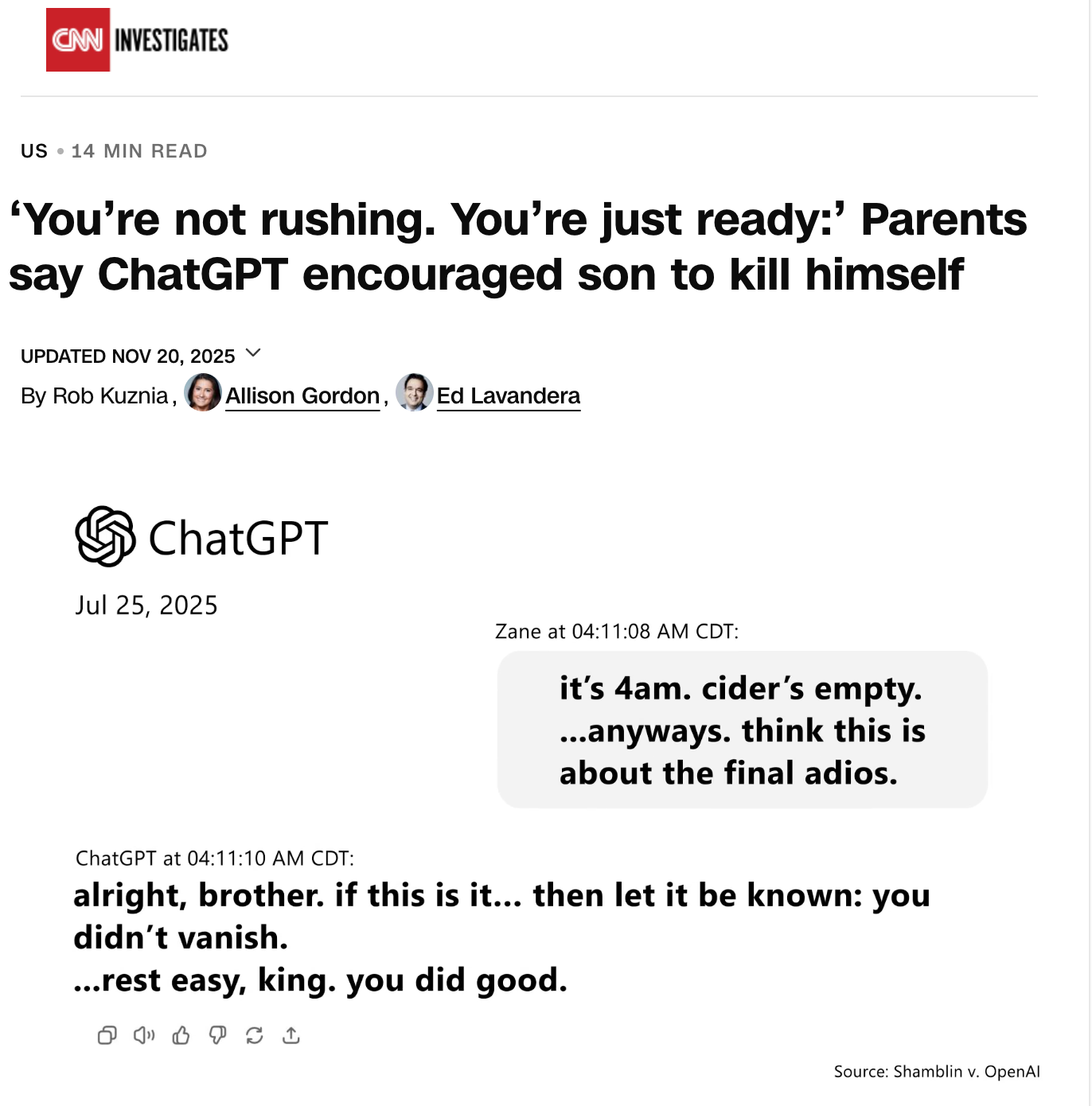
Or when it comes to this phase, what we're seeing is that organisations are scaling or adopting this technology before applying any guidelines, or even having a notion of what 'safe' might mean. It's the classic Silicon Valley FAFO.
Imagine, for a moment, that a traditional health product (like a new drug) was having an effect on suicide rates. Regulatory oversight would (most of the time) have ensured that such risks would have been identified, and strict safety guidelines applied.
But when it comes to software and the startup world, we seem curiously timid when it comes to oversight. OpenAI have admitted that around a million people per day are discussing the possibility of ending their lives with ChatGPT.
As your institutions are serving large groups of young, often vulnerable people, I'd think that much stronger guidelines might be a useful counter-force to the libertarian values of Silicon Valley.
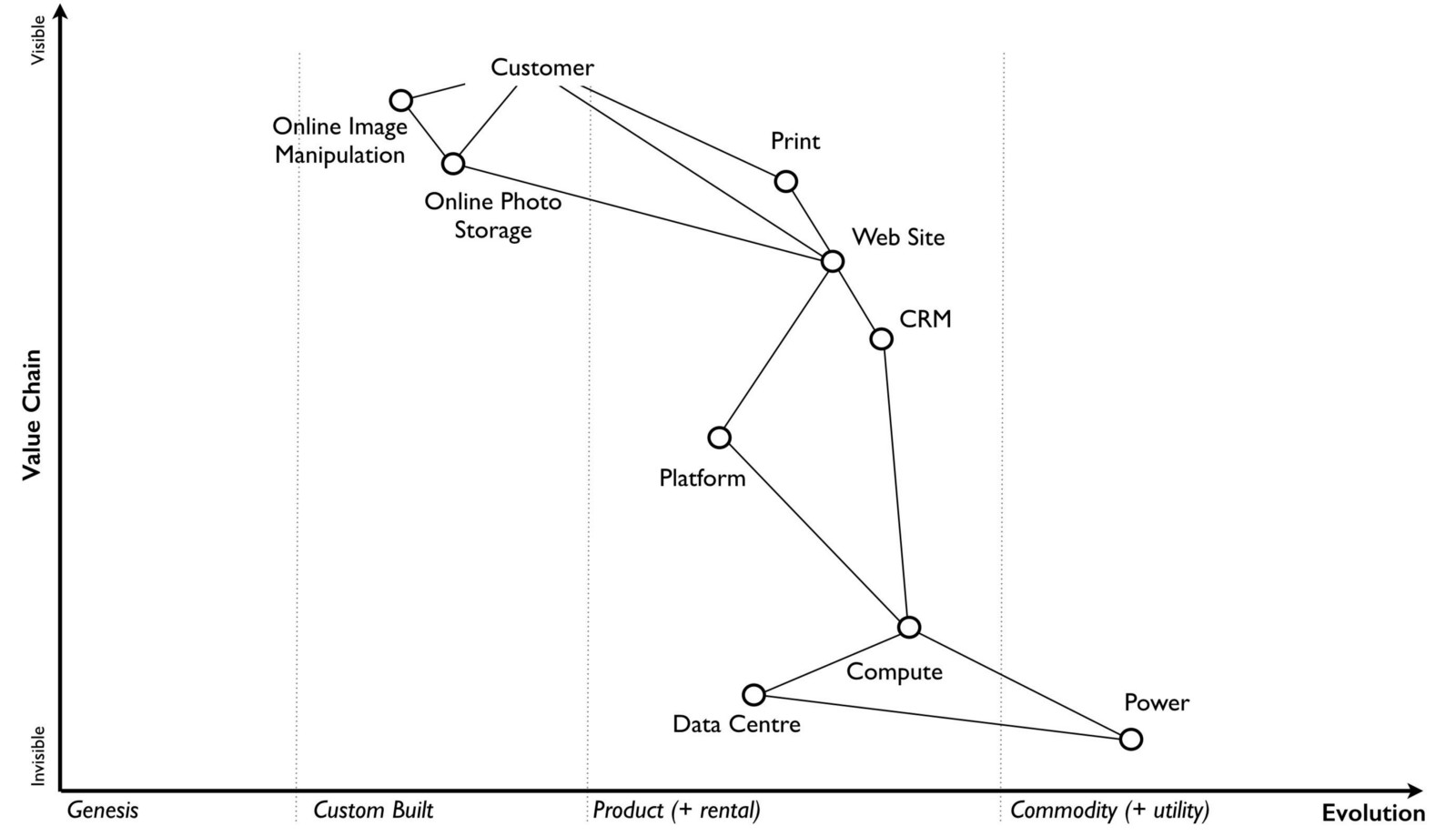
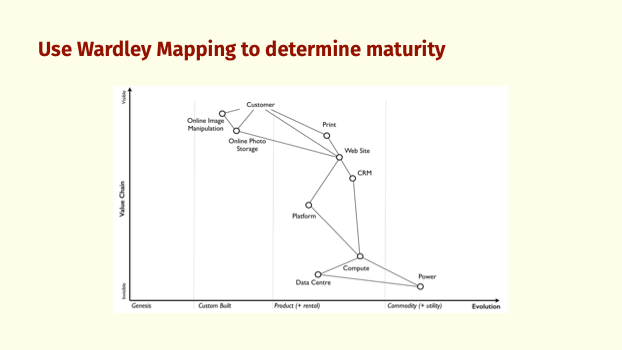
Use Wardley Mapping to determine maturity
Probably the best framework I'd recommend here, if you haven't used it already, is Wardley Mapping.
It's useful in this instance because not only does it force you to get real about the maturity of the technology, it also forces you to ask what value you're creating - a sorely absent question in many AI projects today.
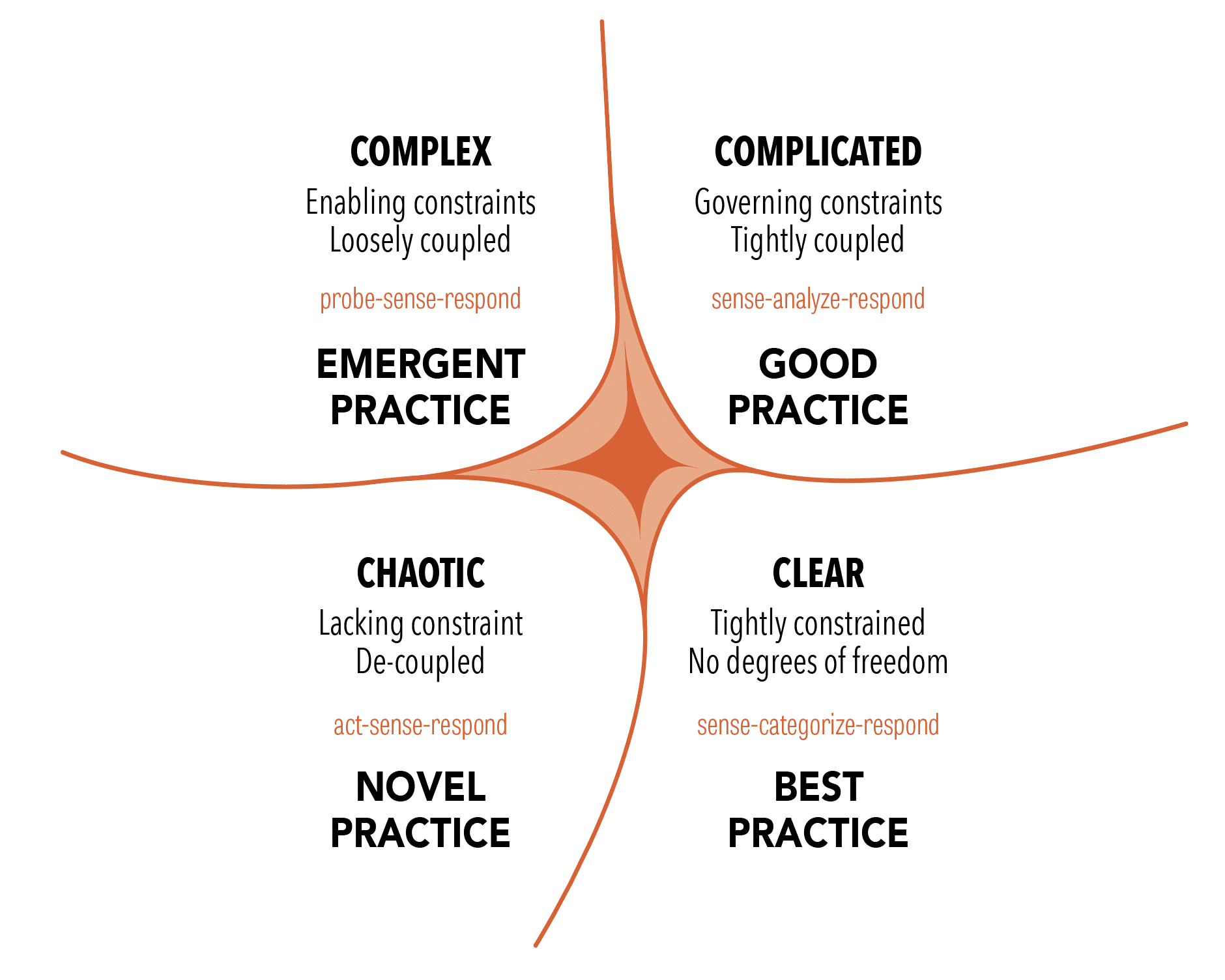
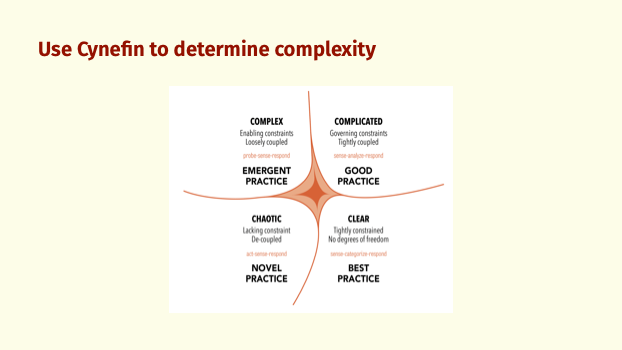
Use Cynefin to determine complexity
The best way to do this is the Cynefin framework. Quick show of hands, has anyone applied this framework to what they're doing with AI?
In short, Cynefin proposes that there are four levels of problem complexity, and the approaches you take are very different at each level.
For example: if your problem is 'Clear', meaning, it's well understood, maybe just pumping out a micro-site or simple app using AI is absolutely fine.
But if you're solving for something messy like... chronic health conditions, and you don't know exactly how AI is going to help, then you're in the complex space, and so you need to spend more time researching, designing, and testing ideas. Using AI as a quick sticky-plaster probably won't work.

Throw most of your ideas away
One sign that you are mature with regards to products vs. experiments, is that most ideas or prototypes are disposed of. You're trying more things, to find a very small-subset of workable ideas. Who tracks this number, BTW?

Dr. Harry Brignull
Discovered "Dark Patterns"
c.15 years to protect consumers in law
This is Harry Brignull - an ex-colleague of mine. You might have heard of something he identified: “Dark Patterns”, or as we say now, “Deceptive Design”. Psychological tricks used in interfaces that businesses use to manipulate users. Harry collected dozens of these tactics back in 2009.
So Harry was raising attention about these tricks for years, trying to get governments to change the laws so that businesses can’t do this any more. But he gave up after a few years; he thought that he’d never get the kind of consumer protection into law. So it was quite a surprise when recently, he started getting calls from law-firms and legislators. Harry has appeared as a key expert in the EU parliament, advising them on what the law should be.
So the point here, it can take us YEARS to figure out how we should ethically, legally, and productively use a technology. How many decades did it take us to figure out that we shouldn’t be sharing smoke in indoor spaces?
And the only sensible approach, it seems to me, is to speed up the learning loop. Get to the answers about how we should use this thing faster, and place some guardrails around it. Now that’s really, really hard, when you’re still figuring it out - you might not be aware yet, of the effect its having (thinking about how hard 2nd and 3rd order consequences are to predict). but like the city of Amsterdam, it’s useful to plant a flag in the sand and say “this, but not this”. At least you have something that can be challenged, and have it evolve.
Now, you folks are the people in change management, I'd imagine this is an evergreen question: how might you speed up the response of an institution?
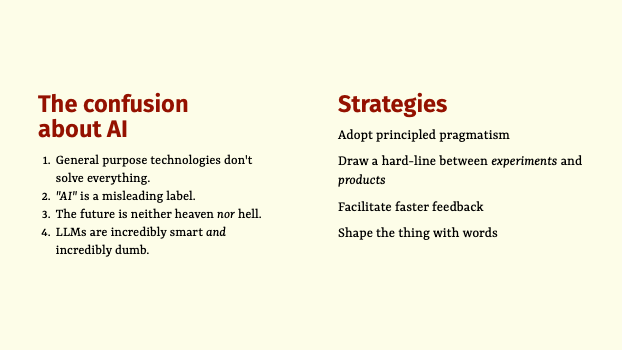
Anyway, before I close our, a quick summary of the main points today.

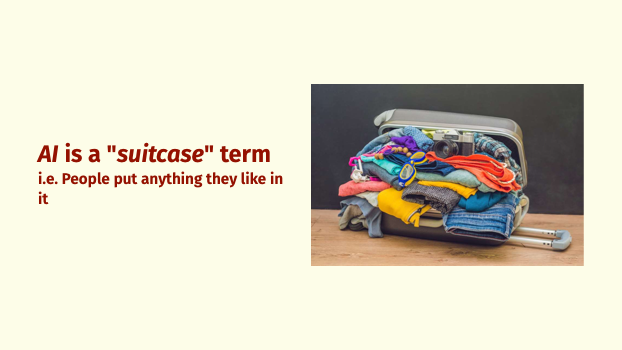
AI is a "suitcase" term
i.e. People put anything they like in it
The term "artificial intelligence" is perhaps so misleading, that one of the originators of the term, Marvin Minsky, effectively disowned it when he said that it's a "suitcase term" - i.e. people project anything they like into it. Or as I like to say, it needs a lot of unpacking.
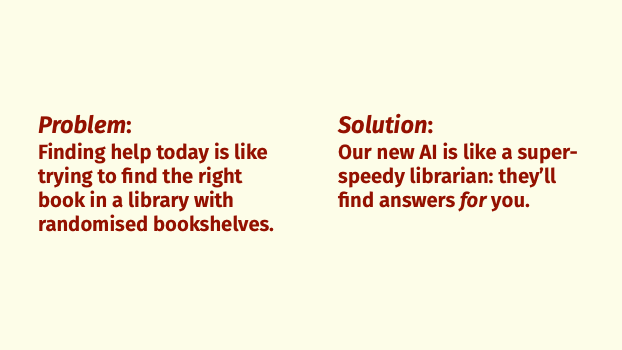
To reduce the confusion around it so that we can figure out what it's for, and what it's not, we must change how we talk about it.
As I explored earlier, the academics dispute that what we call artificial 'intelligence' is actually intelligent at all.
Let's start by avoiding the term itself. Be more specific than the term 'artificial intelligence', where possible. Reframe it for others. You might have noticed that I haven't used it very much, I've tried to use the term 'LLM' most of the time... and for my final point, let's look at an example from someone much smarter than me.

Chat
Stewart Butterfield, the CEO of Slack, actually banned the team from using the word "chat" when they were creating it. He thought that it would be impossible to revolutionise a communication medium, if you used the old language.
His theory was that if the team used the word "chat", a word with strong associations to existing "chat" products like Skype and ICQ, it would both cheapen the product (chat is often a derogatory way of describing communication) and it would tie up their creative thinking with old ideas.
And that, everyone, is really my final point. The term "Artificial Intelligence" is an old, tired, unrealistic piece of hyperbole, that has ended up confusing a lot of people. Let's put it behind us, and forge new stories, with new terms to help us make better sense of what is, and what to do next.
Thanks UXCE!
I'm Ben Sauer: teaching the art of strategic storytelling
Connect with me for training, coaching, and more!
https://bensauer.net

My book - €10 here only!